
Box Braids vs. Knotless Braids: Which Style Lasts Longer?
Box Braids vs. Knotless Braids: Which Style Lasts Longer?
Introduction

Understanding the differences between Box Braids vs. Knotless Braids is more than just a matter of style; it’s about making an informed decision that impacts your hair’s health, comfort, and overall look. Whether you're a seasoned braid enthusiast or a newbie exploring protective styles, knowing what sets these two apart helps you choose the best option for your lifestyle. From installation time to longevity and scalp tension, each factor plays a role in how satisfied you'll be with your braids.
Deciding on the right braid style involves considering various factors like hair type, scalp sensitivity, and personal preferences. Braid longevity and comfort are often at the top of the list because no one wants their beautiful style to turn into an itchy or painful experience after just a few days. Plus, understanding how different styles impact appearance and scalp health can help you avoid unnecessary discomfort or damage while keeping your look fresh.
When it comes to choosing between Box Braids vs. Knotless Braids, many also think about the role of human hair extensions in extending wear time and enhancing appearance. Installation time is another crucial aspect—some styles take longer but might last longer or feel more comfortable. Ultimately, your Deciding Factors For Your Braid Type should include not only aesthetics but also practicality and health considerations.
Comparing Styles: Box Braids vs. Knotless Braids

When it comes to choosing between Box Braids vs. Knotless Braids, understanding their installation process, appearance, and impact on scalp tension can make a world of difference. Both styles offer unique benefits that appeal to different hair goals and lifestyles, but knowing the ins and outs helps you decide which style fits your needs best. Whether you're after longer-lasting results or a more gentle experience on your scalp, these two braid types have distinct features worth exploring.
What Are Box Braids and How Are They Installed
Box Braids are the classic go-to style—think neat, square-shaped sections that are braided from root to tip using either synthetic or human hair extensions for added length and volume. The installation involves parting the hair into small squares or boxes, then braiding each section tightly from the scalp down to the ends. This method tends to take longer because each braid is created with a knot at the base—hence the name—and often requires more tension on your scalp, which can influence overall comfort and longevity.
The Knotless Technique Explained
Knotless Braids revolutionize traditional braiding by eliminating that bulky knot at the base—making them look sleeker and feel lighter on your scalp. Instead of starting with a knot, stylists gradually feed in extensions as they braid from the scalp outward, creating a seamless transition that reduces scalp tension significantly. This technique not only enhances appearance with a more natural flow but also tends to be quicker to install compared to box braids; plus, it’s often preferred for those concerned about maintaining scalp health during longer wear periods.
Visual Differences and Style Versatility
Visually, box braids are characterized by their defined square sections and thicker roots due to knotting at the base—offering boldness and structure perfect for versatile styling options like updos or ponytails. In contrast, knotless braids have a softer look with a more natural flow because of their seamless start; they tend to appear less bulky around the scalp while still providing ample styling versatility for different looks. When deciding between these two styles based on appearance alone, consider whether you prefer a structured silhouette or a lighter feel—both styles are adaptable but may influence how long they last (longevity) depending on installation quality.
Longevity and Durability of Each Braid Style
When it comes to Box Braids vs. Knotless Braids, longevity is often the deciding factor for many. Both styles offer impressive durability, but their lifespan can vary depending on installation quality and how well you care for them. Understanding these differences helps you decide which style aligns better with your lifestyle and hair goals.
Typical Wear Time for Box Braids
Box Braids are known for their classic look and impressive longevity, often lasting between 6 to 8 weeks with proper maintenance. Their traditional braiding technique involves creating individual square-shaped sections, which can sometimes cause more scalp tension if not installed carefully—affecting comfort over time. When considering box braids vs. knotless braids, keep in mind that box braids tend to be more durable but may require a longer installation time.
How Long Knotless Braids Usually Last
Knotless Braids generally last around 4 to 6 weeks, making them slightly shorter-lived than traditional box braids. Their seamless feed-in technique results in less scalp tension, which means they’re gentler on your scalp and more comfortable during wear—especially if you have sensitive skin or scalp issues. If you're weighing box braids vs. knotless braids based on longevity alone, knotless styles might be preferable for a shorter-term protective style that still looks fabulous.
Factors That Influence Braid Longevity
Several factors influence how long your braid style will last, including hair type, the use of human hair extensions, and your maintenance routine. For instance, using high-quality human hair extensions can extend the lifespan of both box braids vs. knotless braids by maintaining a fresh appearance longer—sometimes even beyond the typical wear time with proper care. Additionally, installation time plays a role; styles that take longer to install may be more durable because they’re done with more precision but could also increase scalp tension if not installed correctly.
Scalp Tension and Comfort
When comparing Box Braids vs. Knotless Braids, scalp tension is a crucial factor to consider, especially if you plan to wear your style for an extended period. While both styles can be stunning, the way they interact with your scalp can significantly influence comfort and appearance over time. Understanding how each method affects scalp health helps you decide which style aligns best with your lifestyle and hair goals.
Scalp Stress in Box Braids
Box Braids often involve tight, individual plaits that can put considerable stress on your scalp, especially during installation. This tension might lead to discomfort or even hair breakage if not done carefully, impacting the longevity of the style. Over time, excessive scalp tension from Box Braids can cause soreness or thinning around the edges, making it vital to weigh this factor when choosing between Box Braids vs. Knotless Braids for long-term wear.
Are Knotless Braids More Gentle on Your Scalp
Knotless Braids are generally considered more gentle because they don’t require pulling the hair as tightly during installation; instead, they use a feed-in technique that reduces scalp tension. This gentler approach often translates into increased comfort and less risk of damage, making them a popular choice for those with sensitive scalps or hair thinning concerns. When deciding between Box Braids vs. Knotless Braids based on comfort and longevity, knotless styles tend to offer a more comfortable experience without sacrificing style versatility.
Tips to Minimize Discomfort During Wear
To keep discomfort at bay while rocking either Box Braid vs. Knotless Braid styles, opt for a professional install that prioritizes scalp health and avoids overly tight braiding techniques—especially important if you want your hairstyle to last longer without causing pain or damage. Regularly massaging your scalp with lightweight oils helps reduce tension and promotes circulation, enhancing overall comfort during wear. Additionally, choosing human hair extensions can sometimes lessen weight stress on your scalp while improving appearance and longevity; just ensure proper maintenance for best results.
Installation Time and Ease
When it comes to choosing between Box Braids vs. Knotless Braids, installation time can be a decisive factor, especially for those with busy schedules. Both styles require some patience, but the process varies significantly in terms of effort and duration. Understanding these differences helps you decide which style aligns better with your lifestyle and how much time you're willing to invest upfront.
How Long It Takes to Install Box Braids
Box Braids typically take longer to install because each braid is created by sectioning the hair into square-shaped parts before adding extensions. On average, a full head of Box Braids can take anywhere from 6 to 8 hours, depending on hair thickness and braid size preference. This style involves individual braiding from the root down, making it more time-consuming but often resulting in a durable look that lasts longer—boosting its longevity as well.
The Installation Process for Knotless Braids
Knotless Braids are usually quicker to install because they start with a feed-in technique that eliminates bulky knots at the scalp. The stylist gradually adds extensions as they braid, which reduces tension and speeds up the process—generally taking about 4 to 6 hours for a full head. This method also tends to be gentler on the scalp, making it an attractive choice for those concerned with scalp tension during installation.
Which Style Saves More Time and Effort
In terms of installation time and effort, Knotless Braids generally win out over Box Braids because they are faster to install due to their feed-in technique. For individuals prioritizing quick styling sessions without sacrificing appearance or longevity, Knotless Braid styles are often more practical—especially if you want less scalp tension during installation. Deciding factors for your braid type include not only time savings but also comfort considerations like scalp tension and maintenance needs.
The Role of Human Hair Extensions in Longevity
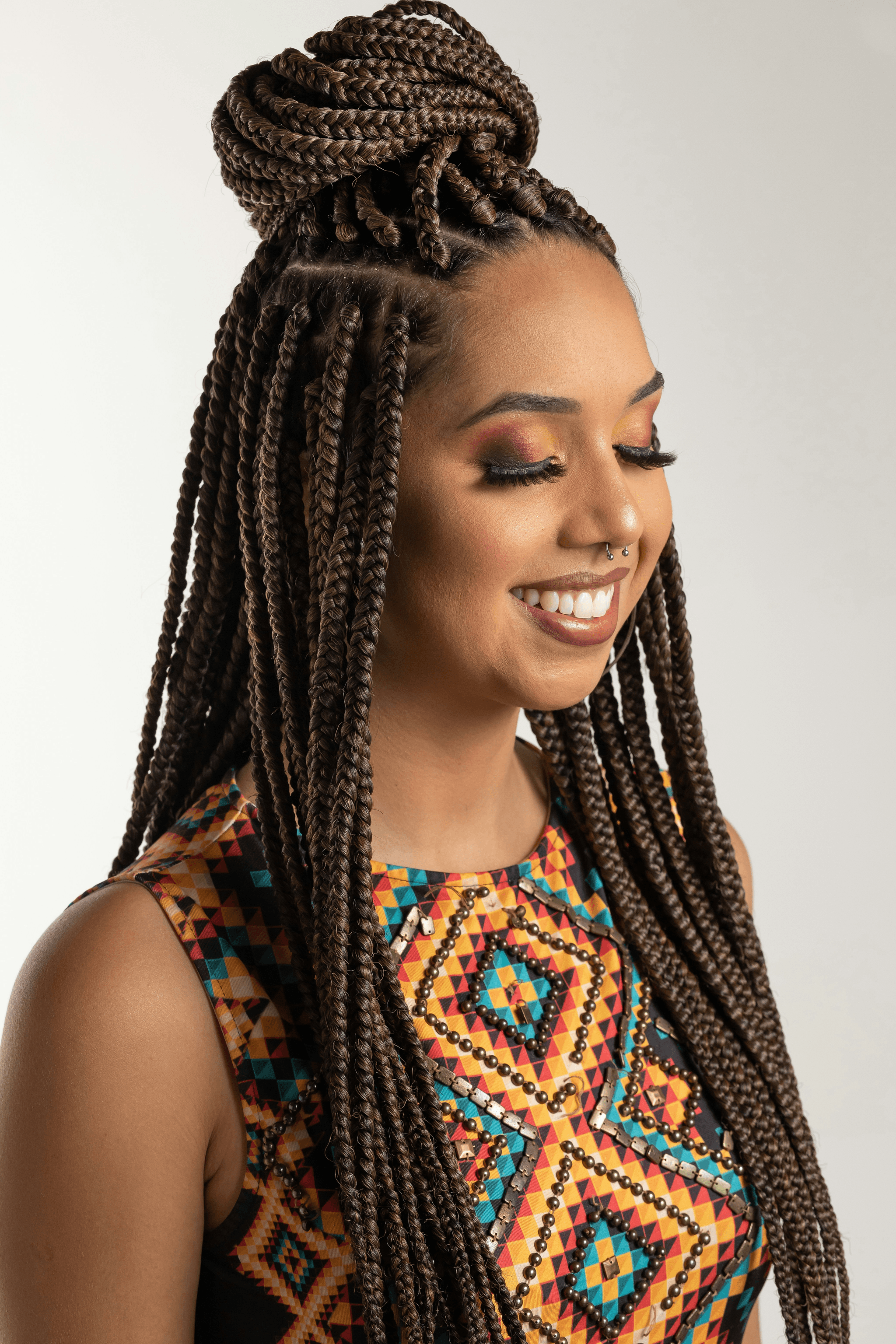
Adding human hair extensions can be a game-changer when it comes to extending the lifespan of your braid styles. Whether you’re choosing Box Braids vs. Knotless Braids, incorporating quality human hair can significantly boost durability and appearance. Plus, better extensions often mean less scalp tension and discomfort, making your style last longer without sacrificing comfort.
Using Human Hair for Longer-Lasting Braid Styles
When deciding between Box Braids vs. Knotless Braids, opting for human hair extensions is a smart move if longevity is your priority. Human hair blends seamlessly with natural strands, offering a more polished look that withstands daily wear and tear longer than synthetic options. This means fewer touch-ups and less frequent reinstallation, saving you time and effort in the long run.
Comfy Wigs and Their Quality Extensions
Quality extensions aren’t just about appearance—they also play a crucial role in minimizing scalp tension during installation of both Box Braids vs. Knotless Braids styles. Comfortable wigs with high-grade human hair can reduce discomfort while maintaining a sleek look that lasts through various activities. When considering Deciding Factors For Your Braid Type, investing in good extensions ensures your style stays fresh without compromising scalp health or comfort.
Best Practices for Maintaining Human Hair Braids
To maximize longevity when using human hair extensions in either Box Braids vs. Knotless Braids, proper maintenance is key—regular moisturizing, gentle cleansing, and protective styling help preserve the quality of your braids over time. Avoiding excessive pulling or tight styling reduces scalp tension and prevents damage that could shorten their lifespan. Remember that Deciding Factors For Your Braid Type should include how well you can care for your extensions to keep them looking stunning longer.
Deciding Factors For Your Braid Type

Choosing between Box Braids vs. Knotless Braids often boils down to your unique style goals, hair texture, and lifestyle needs. Both styles offer distinct advantages in terms of appearance and longevity, but understanding what aligns best with your personal preferences is key. Whether you prioritize a seamless look or a quicker installation, these deciding factors will help you make an informed choice that suits your vibe.
Style Goals and Personal Preference
When considering Box Braids vs. Knotless Braids, your style goals play a major role in the decision-making process. If you're after a bold, classic look with defined sections, box braids might be your go-to because of their structured appearance and versatility in styling. On the other hand, if you prefer a more natural flow that mimics free-flowing hair with less scalp tension, knotless braids could be the better fit—they tend to look softer and more natural while offering comparable longevity.
Personal preference also influences how comfortable you'll feel wearing each style day-to-day. Some find box braids more visually striking but may experience more scalp tension over time; others love the lightweight feel of knotless braids for all-day comfort. Remember, both styles can impact scalp health differently—so think about how each aligns with your comfort levels and desired appearance when making your choice.
Hair Thickness and Scalp Sensitivity
Your hair thickness and scalp sensitivity are crucial deciding factors for choosing between Box Braids vs. Knotless Braids because they directly influence comfort and longevity. Thicker hair typically holds styles longer and provides better support for box braids’ structured look; however, it can also lead to increased scalp tension during installation or wear—something to consider if you're sensitive or prone to discomfort.
If you have a sensitive scalp or fine hair that easily becomes irritated, knotless braids are often gentler—they distribute tension more evenly without pulling tightly at the roots, thus reducing discomfort over time. Additionally, using human hair extensions can extend the lifespan of either braid style but may also add weight; so selecting the right type of extensions is essential for maintaining both appearance and comfort throughout wear.
Budget Considerations and Maintenance
Budget considerations inevitably influence whether you opt for Box Braids vs. Knotless Braids since installation time impacts cost—box braids generally take longer to install due to their detailed sectioning process—and maintenance routines differ as well. If you're looking for a style that offers longer-lasting results with less frequent touch-ups (which enhances longevity), investing in high-quality human hair extensions can be worthwhile; they not only improve appearance but also extend braid durability.
Conclusion
Choosing between Box Braids vs. Knotless Braids ultimately depends on your lifestyle, hair goals, and personal comfort. If you prioritize a style with longer Longevity and minimal Scalp Tension, Knotless Braids might be your best bet due to their gentle installation process and appearance. Conversely, if you’re after a quick Installation Time and versatile styles, traditional Box Braids could fit seamlessly into your routine.
When deciding factors for your braid type, consider how each style impacts Scalp Tension and overall Appearance over time. Both styles can incorporate human hair extensions for enhanced Longevity, but understanding these Deciding Factors For Your Braid Type ensures you select a look that suits your needs without sacrificing comfort or durability. Remember, the right choice balances style goals with practical considerations like maintenance and budget.
To make your braids last longer, focus on proper care routines—regular moisturizing, gentle handling, and avoiding excessive tension are key. Investing in quality human hair extensions can also boost Longevity while maintaining a natural look. Whether you choose Box Braids vs. Knotless Braids or opt for a hybrid style, these expert tips will help keep your braids looking fresh and feeling comfortable longer.