
How to Tell If Hair Is Truly Virgin: 5 Simple Tips to Spot Fake Virgin Hair
How to Tell If Hair Is Truly Virgin: 5 Simple Tips to Spot Fake Virgin Hair
Introduction
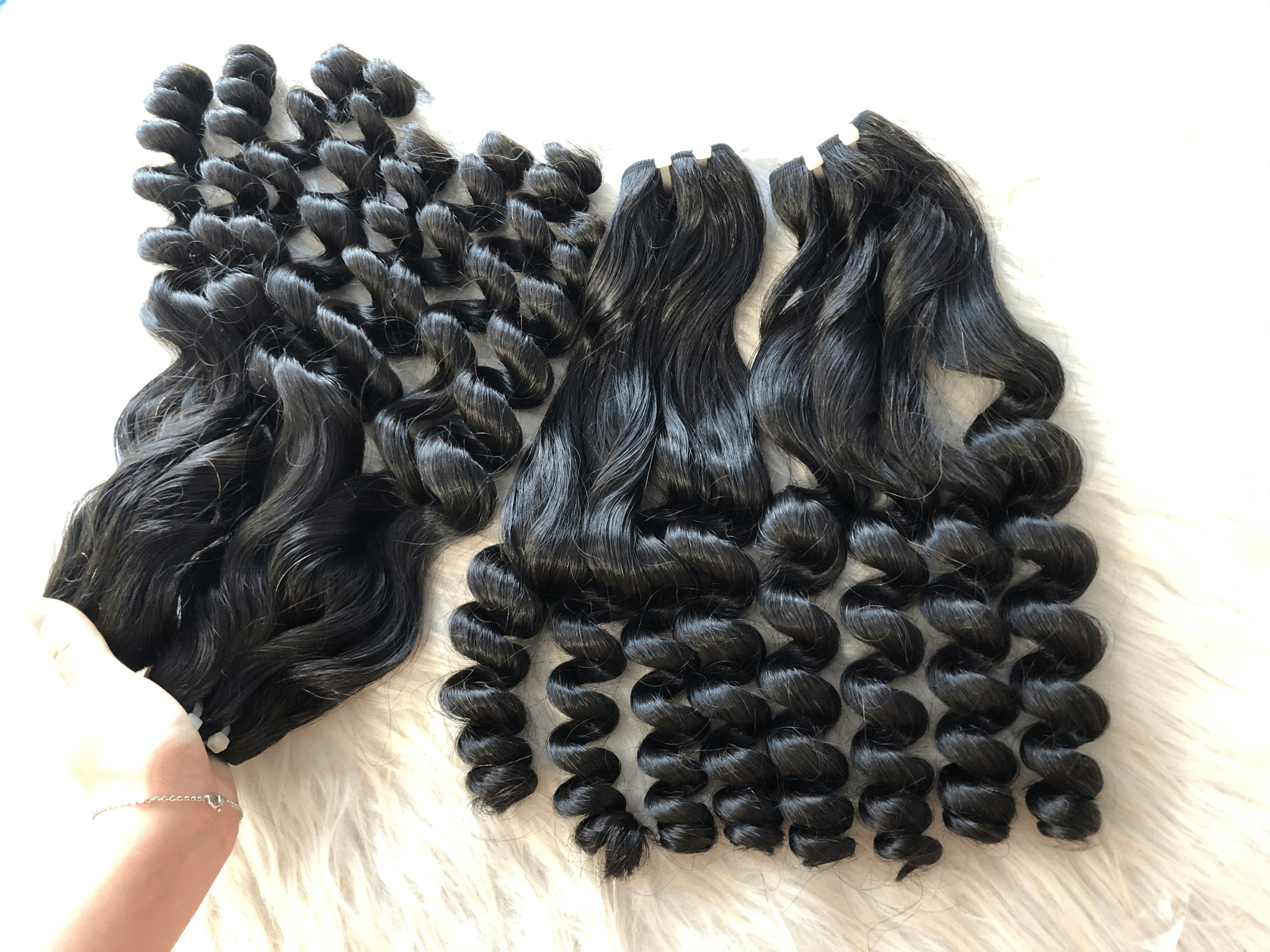
Navigating the world of hair extensions and wigs can feel like decoding a secret language, especially with so many options claiming to be virgin. When it comes to recognizing genuine virgin hair, the stakes are higher than just aesthetics—it's about quality, longevity, and value. Many people ask themselves, How do I know if my hair is virgin or not? or wonder if they’re falling for Fake Virgin Hair that looks authentic but isn’t. Understanding what makes virgin hair truly special helps you avoid fake products and ensures you get the real deal every time.
Knowing whether your wig is made from 100% human hair or synthetic fibers can be confusing, especially when labels aren’t clear. The question often arises: Does virgin hair mean synthetic? The answer is no—virgin hair should be entirely natural and unprocessed. Yet, some sellers might try to pass off Fake Virgin Hair as authentic, making it crucial for buyers to learn how to tell the difference before making a purchase. After all, how do I know if my hair is virgin or not? This guide will help you cut through the myths and spot genuine virgin hair with confidence.
Assess the Hair’s Texture and Shine
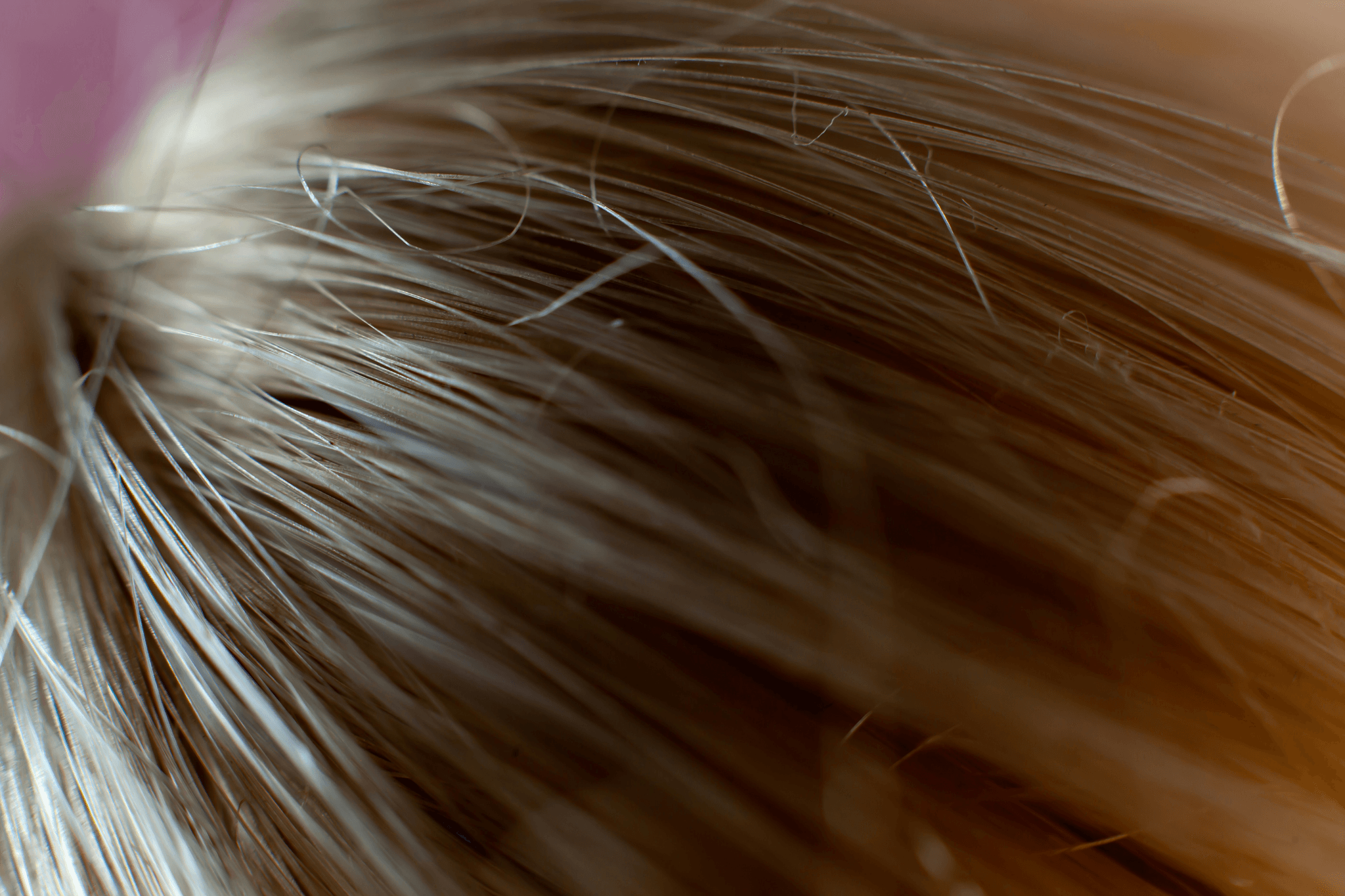
When trying to determine if you’re dealing with real virgin hair or falling for Fake Virgin Hair, assessing texture and shine is a smart first step. Genuine virgin hair feels soft, smooth, and natural to the touch—nothing like the plastic-y feel of synthetic fibers. If you’re asking yourself, How do I know if my hair is virgin or not? checking its texture can reveal a lot because authentic virgin hair responds just like your own scalp’s hair.
Next up is shine—does it look healthy and consistent? Real virgin hair boasts a subtle luster that mimics natural light reflection without being overly glossy. If the shine appears too perfect or uneven, it might be a sign of Fake Virgin Hair or that someone tried to mask synthetic strands with excessive oil or glossing agents. Remember, knowing how to tell if a wig is virgin hair involves examining both its natural sheen and how it reacts when styled.
Lastly, consider how the hair reacts to heat styling tools like flat irons or curling wands. Authentic virgin hair can withstand heat without melting or losing its integrity—making it easier to distinguish from synthetic options which tend to burn quickly or emit a burnt smell. So, when asking yourself “Is virgin hair 100% human hair?”, testing its heat response can clarify whether you’ve got genuine locks or merely Fake Virgin Hair pretending to be real.
Examine the Hair’s Color Consistency
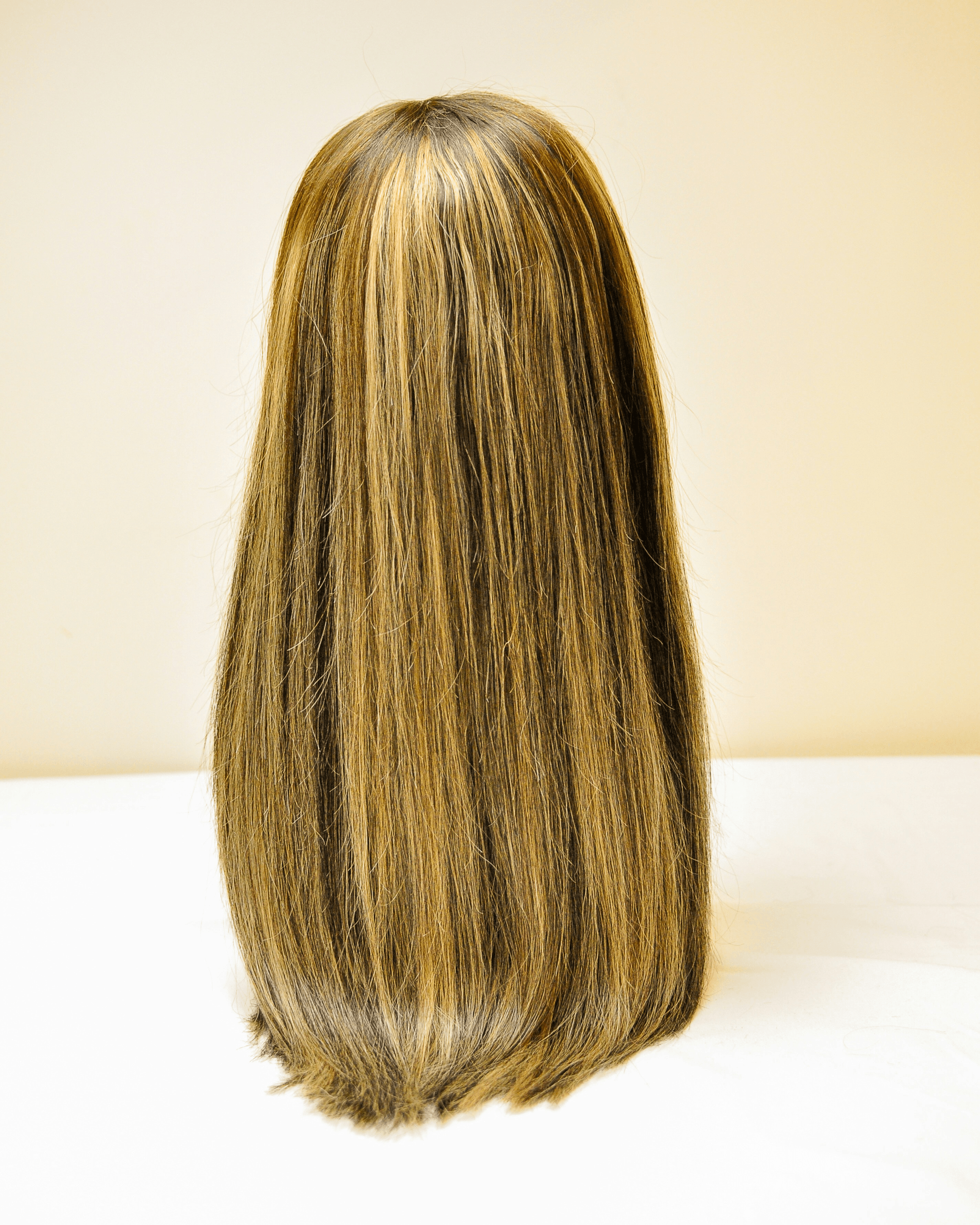
Color consistency is a key indicator when trying to determine if you’re dealing with genuine virgin hair or falling for a scam involving Fake Virgin Hair. Many buyers ask, “How do I know if my hair is virgin or not?” because uneven patches or inconsistent shades can be dead giveaways. Understanding what to look for helps prevent purchasing fake or synthetic hair that doesn’t match the natural beauty of authentic virgin strands.
Are There Uneven Color Patches?
Uneven color patches are often a red flag when assessing whether your hair is real virgin hair. If you notice areas that are significantly darker or lighter than others, it might mean the wig or extensions have been dyed multiple times or are not truly virgin. Remember, authentic virgin hair should have a uniform shade from root to tip, making it easier to style and bleach without surprises—so how do I know if my hair is virgin or not? Carefully inspecting for uneven patches can save you from buying fake virgin hair that looks suspicious and unnatural.
Does the Color Match the Origin’s Natural Shade?
Authentic virgin hair naturally matches its origin’s typical shades—think deep browns, jet blacks, or rich caramel tones depending on the region it comes from. If you’re wondering how to know if a wig is virgin hair, one way is to compare its color with known natural shades from reputable sources. Fake Virgin Hair often comes in overly processed hues that don’t replicate natural pigmentation; this makes it obvious that you’re dealing with synthetic fibers or heavily processed strands rather than 100% human hair.
Can Fading Indicate Fake Virgin Hair?
Fading after washing or exposure to sunlight can be an indication of fake virgin hair—especially if it loses its vibrant color quickly. Genuine Virgin Hair tends to hold dye well and maintain its shade over time because it hasn’t been chemically treated beyond washing and conditioning. So, does virgin hair mean synthetic? Not at all! If your colored strands fade rapidly and look dull fast, chances are high that you’ve bought some imitation rather than true 100% human Virgin Hair.
Check the Hair’s Density and Thickness
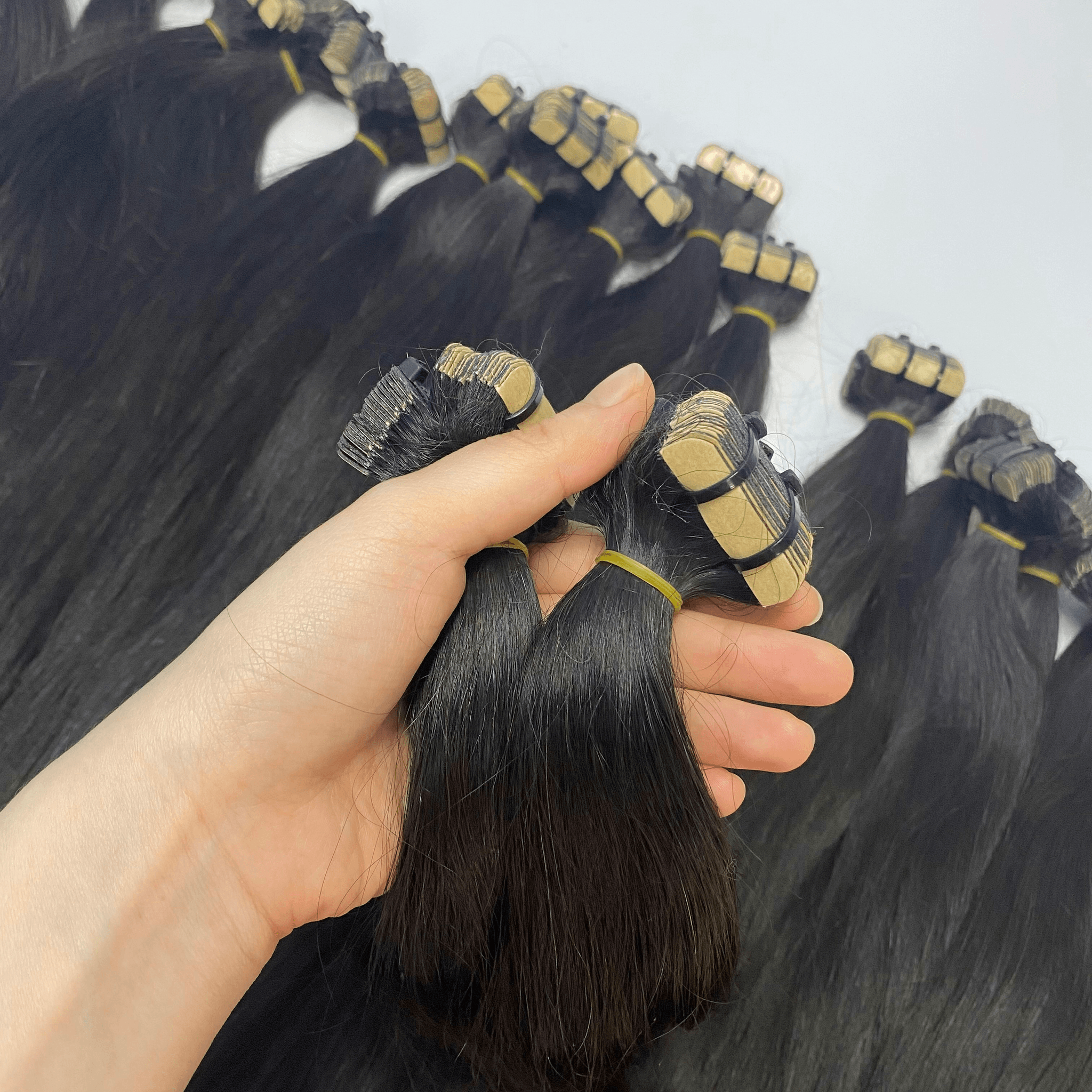
When it comes to spotting Fake Virgin Hair, examining the hair’s density and thickness is a smart move. Genuine virgin hair tends to have a natural fullness that feels consistent from root to tip. If you're asking yourself, How do I know if my hair is virgin or not? checking density can reveal whether you're dealing with authentic strands or a less genuine alternative, like synthetic fibers or low-quality Fake Virgin Hair.
Is the Hair Thick from Root to Tip?
Real virgin hair usually maintains a healthy thickness all along its length, giving it that lush, full-bodied look. If your wig or bundles suddenly thin out towards the ends, it could be a red flag indicating Fake Virgin Hair or a blend that isn't 100% human hair. So, ask yourself: Is virgin hair 100% human hair? because true virgin strands will feel substantial and consistent throughout.
Do Strands Feel Uniform in Thickness?
Run your fingers through the strands—do they all feel equally thick? Authentic virgin hair has uniform strand thickness, whereas fake versions often have uneven textures or brittle spots. Knowing how to tell if a wig is virgin hair involves feeling for consistency; if some strands are noticeably thinner or rougher, you might be dealing with synthetic fibers or lower-grade Fake Virgin Hair.
Does the Density Match the Advertised Grade?
Every grade of virgin hair comes with an expected density level—higher grades are thicker and more voluminous. If your purchase claims premium quality but feels sparse or flat, it's worth questioning whether you're getting genuine virgin strands. Remember: Does virgin hair mean synthetic? No! Authentic virgin hair should match its advertised density without excessive shedding or tangling.
Analyze the Hair’s Odor and Feel
When it comes to spotting fake virgin hair, one of the easiest clues is how it smells and feels. Fake Virgin Hair often has a chemical odor that lingers even after washing, making you wonder, How do I know if my hair is virgin or not? Genuine virgin hair should smell neutral or slightly earthy, not like a factory or chemical processing plant. If your wig smells strongly of chemicals, chances are it's not authentic virgin hair.
Does It Smell Like Factory Chemicals?
Many counterfeit or synthetic wigs are processed with harsh chemicals to give them a shiny appearance or to mask their true nature. If your hair smells like factory chemicals right out of the package, it’s a red flag that you might be dealing with fake virgin hair. Knowing how to tell if your hair is virgin or not involves sniffing carefully—authentic virgin hair typically has no overpowering chemical scent once washed properly.
Is the Hair Soft Without Excess Grease?
Fake Virgin Hair can sometimes feel greasy or overly silky due to added silicones and synthetic coatings designed to make it look shiny initially. Authentic virgin human hair should feel soft but natural—without excessive grease or heaviness. When asking yourself Is virgin hair 100% human hair?, remember that genuine strands feel light and soft without an oily residue, making it easier to style and maintain.
How Does the Hair Feel After Washing?
One surefire way to test if your wig is real virgin hair is by washing it thoroughly. Real virgin human hair will become softer and more manageable after washing, maintaining its natural texture without tangling excessively. Conversely, fake Virgin Hair may either lose its shine completely or remain stiff and unmanageable even after cleaning—so knowing how to know if a wig is virgin hair involves observing these post-wash changes closely.
Test the Hair’s Durability and Longevity
When you’re investing in virgin hair, it’s crucial to see how well it holds up over time. Fake Virgin Hair might look good initially but tends to fall apart after a few washes or styling sessions. Knowing how do I know if my hair is virgin or not? Testing its durability can save you from future disappointment and help confirm if your wig truly is 100% human hair or just a clever fake.
How Well Does It Hold Up After Multiple Washes?
A key sign of genuine virgin hair is its ability to withstand multiple washes without losing softness or shine. Fake Virgin Hair often feels rougher or becomes tangled easily after washing, revealing its synthetic nature. If you’re wondering how do I know if my hair is virgin or not, observe whether it maintains its natural texture and luster after several cleans—this is a telltale sign of authentic, 100% human hair.
Does It Tangle Easily or Remain Smooth?
Tangles are the enemy of anyone seeking long-lasting, high-quality virgin hair. Real virgin hair tends to stay smooth and manageable even after days of wear, while fake Virgin Hair will tangle more quickly and require constant detangling sessions. Curious about how to know if a wig is virgin hair? Check for tangling—if it’s prone to knotting easily, it might be fake Virgin Hair that’s not worth your investment.
Can You Confirm Its Authenticity Through a Professional?
If doubts linger about whether your wig is real virgin hair, consulting a professional can provide clarity. They can perform tests that reveal whether the strands are 100% human or synthetic fibers posing as virgin hair. Remember, does virgin hair mean synthetic? No! A professional assessment helps confirm authenticity and ensures you aren’t falling for fake Virgin Hair disguised as the real deal.
Conclusion
Navigating the world of hair extensions and wigs can feel like walking through a maze, especially when trying to spot Fake Virgin Hair from genuine options. Remember, knowing how do I know if my hair is virgin or not? is crucial before making any investment. Authentic virgin hair should feel natural, react well to heat styling, and maintain its luster over time—if it doesn’t, chances are you’re dealing with fake virgin hair or synthetic strands that just look good on the surface.
Buying from trusted brands like Comfy Wigs makes all the difference in ensuring you get what you pay for. How to know if a wig is virgin hair? Look for reputable sellers who provide detailed product descriptions and authenticity guarantees. Don’t fall for shiny, overly perfect strands that might be fake virgin hair—real virgin hair has depth, consistency, and a subtle natural shine that’s hard to mimic with synthetic fibers or fake virgin hair.
Finally, keep these tips in mind: always ask questions about the origin of your wig or extensions, request proof of authenticity if possible, and remember that genuine virgin hair isn’t cheap but worth every penny. When in doubt about whether your purchase is authentic or not, trust your instincts and do thorough research—your scalp will thank you later!