
Raw Brazilian Hair Vendors: What the Label Can—and Cannot—Tell You
Raw Brazilian Hair Vendors: What the Label Can—and Cannot—Tell You
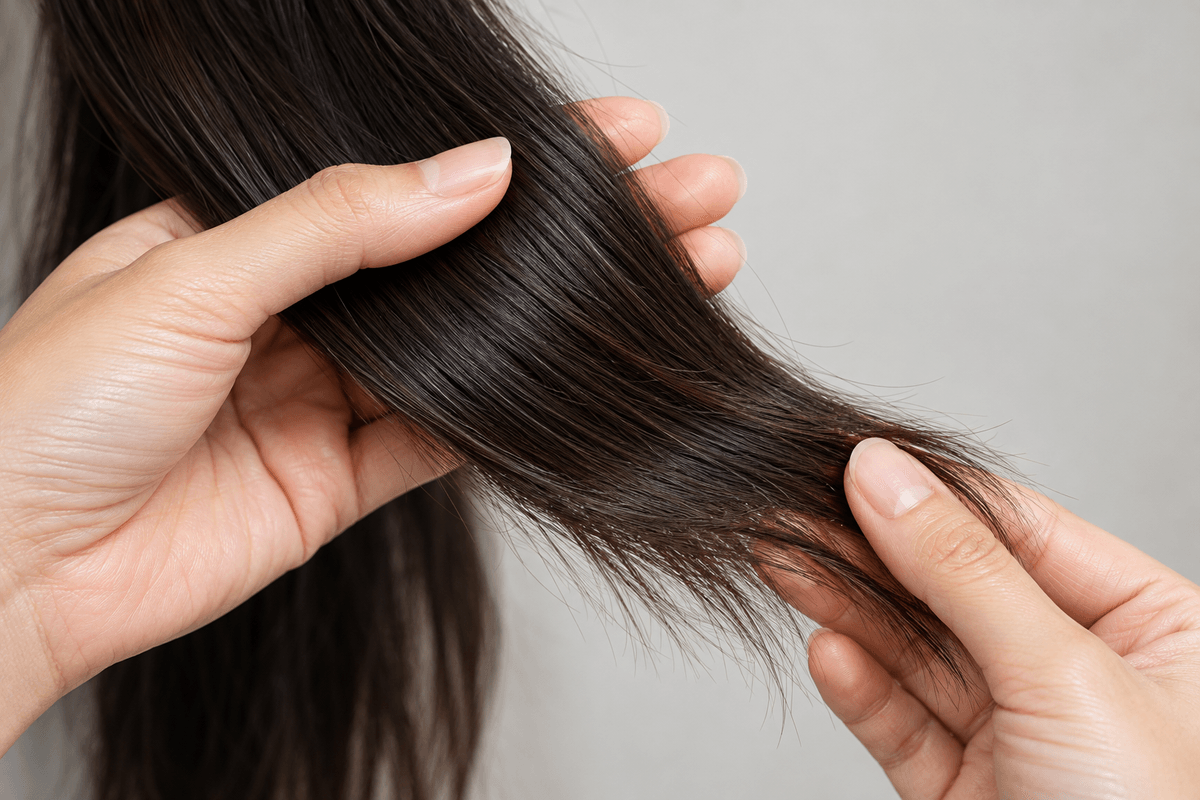
“Brazilian hair” can mean different things in different listings. One seller may be describing a claimed collection origin; another may be using the term for a texture or a commercial product range. Add “raw” to the description and the number of assumptions can grow quickly.
When comparing raw Brazilian hair vendors, ask what each part of the label means for the item being sold. Then decide which claims are necessary for your purchase and what evidence would support them. This keeps a desirable hairstyle from turning into an unverified sourcing story.
Read the description as four separate statements
First identify the material: human hair, synthetic fiber, or a blend. Next establish the seller's meaning of “Brazilian.” Then ask about processing. Finally determine the product format, such as loose hair, wefts, a topper, or a finished wig.
These categories should not collapse into one another. Dark color does not prove an origin. A soft feel does not demonstrate a treatment history. A finished curly wig is not the same purchase as raw hair for building a piece, even if the photographs show a similar texture.
If you need traceable Brazilian collection origin, say that explicitly. Ask how the supplier documents the claim for your order. If you simply want a particular wave or body, describe that look instead and compare the products that can actually deliver it.
What counts as a useful answer?
A useful answer ties a statement to an identifiable item. It explains which features are specified, which can vary, and which require a sample. The reply should address processing, material, and format in plain language rather than replacing your questions with a grade number.
For a raw-hair requirement, ask about coloring, bleaching, texture setting, and surface finishing. For a provenance requirement, ask about the relevant collection and supply records. A vendor may not provide every document you request, but an essential unanswered question remains a gap in the buying decision.
Do not treat a registration document, an attractive factory image, or a seller's location as interchangeable with proof of origin. Those details can help identify a business, but they do not establish where every strand in the quoted product was collected.
Six label traps to avoid
1. Assuming a texture proves geography
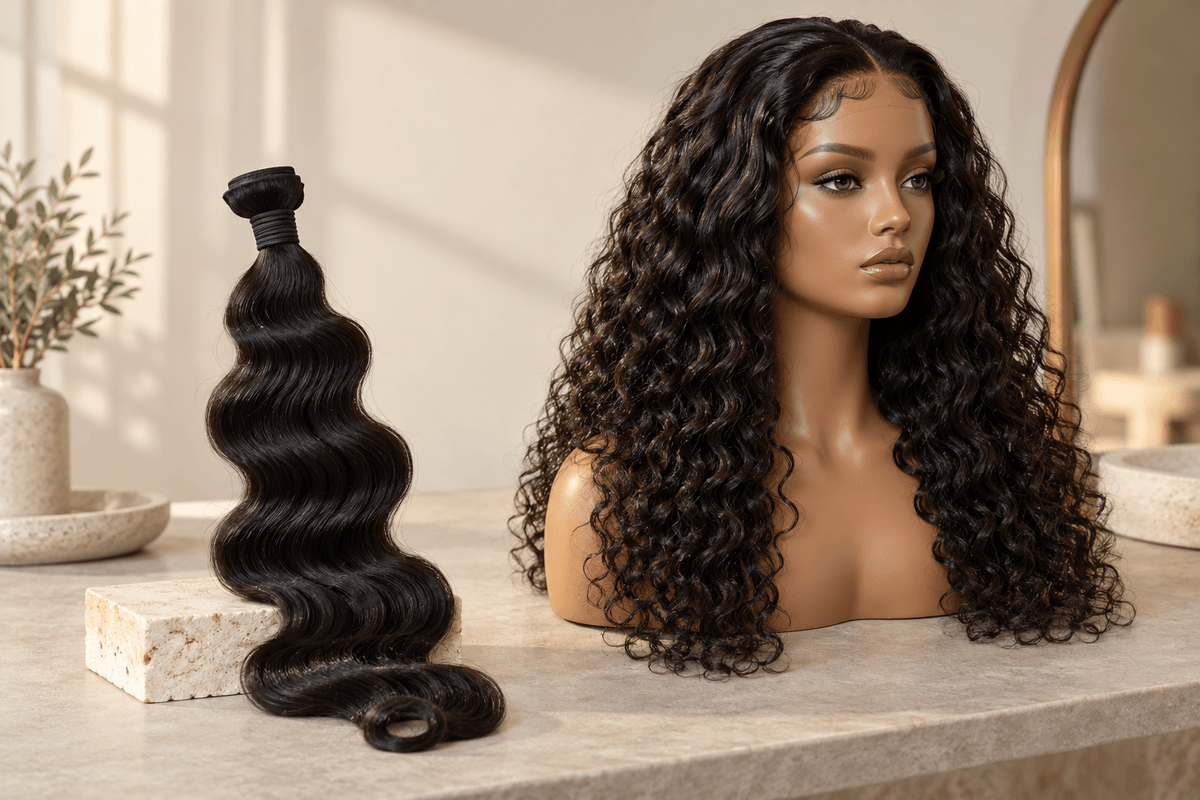
Wave patterns and strand appearance vary. Processing and styling can also change them. Choose a texture because it suits the intended result, and assess origin as a separate requirement.
2. Treating “human hair” as a full processing history
Human hair describes a material category. It does not tell you whether a piece has been colored, texture-set, or otherwise finished. Ask directly about the treatments relevant to your plans.
3. Using a grade number as a universal scale
Numbers and letter grades may be seller-specific. Ask what measurable features sit behind the label: usable length, fullness, construction, shade, or another characteristic you can evaluate.
4. Expecting a bundle photograph to predict a wig
A finished wig adds a base, hairline, parting arrangement, and haircut. Those decisions affect fit and appearance independently of the loose hair. Evaluate the complete product if that is what you intend to wear.
5. Assuming all human hair can meet the same color goal
The starting color and treatment history matter. Before promising a demanding color change, arrange a professional sample assessment. A broad material label is not a guarantee of a particular result.
6. Comparing unlike formats on price alone
A full wig, a topper, and loose hair may solve different problems. Include fitting or construction work in the comparison rather than choosing whichever photograph has the lowest figure beside it.
Match the finished result to a real product
Comfy Wigs offers finished pieces you can discuss without relying on a Brazilian raw-hair claim. This is useful when your real goal is a wearable style, targeted coverage, or a change of material category.
For top coverage with a human hair piece, the Human Hair Topper FK008 is a specific starting point. Ask about the base dimensions, attachments, and shade options. Its listing's human hair description does not establish raw or Brazilian origin, so keep those questions separate if they matter to you.
The Human Hair Topper FK014 provides another human hair topper to compare. Request the actual differences in construction and fit. If a seller has not provided those details, avoid assuming that model numbering indicates an upgrade or a larger coverage area.
For a finished curly direction, consider the Classical Black Curly Human Hair Blend Wig YWLH-14. The name identifies a human hair blend, which should remain part of your decision and care plan. Its curls can be assessed as a style preference without relabeling the material as raw human hair.
If a brown bob suits your routine better than long waves, the Chestnut Brown Bobo YWLH-57 is another blend option. Its listing identifies human hair and synthetic material and adjustable straps. Ask how to care for the blend and check the fit before planning any salon alteration.
Evaluate performance without turning it into a claim you cannot prove
A sample can help you judge how a product handles under its recommended care routine. Record its appearance before and after permitted washing, how the style settles, and any discrepancy against the agreed dimensions. Keep the test appropriate to the product and clarify return conditions first.
Do not rely on burning hair to establish authenticity or origin. Do not use repeated pulling as a quality test on a delicate base. Practical inspection, written specifications, and appropriate professional assessment are more useful for a purchase decision than damaging a sample to chase a simple answer.
For a business order, retain a reference and ask how later batches will be identified. A successful sample creates a comparison point; it does not prove that an unannounced substitution will meet the same requirement. Put approval of changes into the order conversation.
Buy the feature you actually need
If traceable origin is essential, seek a supplier able to address it. If the objective is an attractive finished result, compare the fiber, construction, fit, and care of the available pieces. These are different briefs, and both deserve clear answers.
Start a Comfy Wigs consultation with the relevant model and your intended style or coverage. That gives the recommendation a practical foundation while keeping “raw Brazilian” claims out of products whose published descriptions do not establish them.