
Introduction

Among the various curly hair categories, 4b and 4c hair stand out for their unique characteristics and styling needs. By discovering the difference between 4b and 4c hair, you can unlock a treasure trove of tips tailored specifically for your curls.
Discovering Hair Type Differences
When it comes to curly hair types, each category tells its own story through texture, curl pattern, and styling preferences. The difference between 4b and 4c hair is particularly striking; while both belong to the tightly coiled family, they exhibit distinct features that influence how you care for them. Understanding these nuances not only empowers you but also enhances your overall hair journey.
Importance of Understanding Your Hair
Grasping the intricacies of your specific curl type is essential for effective care and styling. Knowing whether you have 4a, 4b, or 4c hair allows you to choose products that cater to your unique needs—because let’s face it: one size does not fit all in the world of curly hair! This knowledge helps prevent frustration and fosters a more enjoyable relationship with your lovely locks.
Overview of Curly Hair Categories
Curly hair categories are often divided into several types based on their curl patterns and textures—ranging from loose waves to tight coils. In this guide, we’ll delve deeper into what distinguishes kinds of curly hair like 4a, 4b, and especially the often-misunderstood 4c hair. Buckle up as we explore these curl types with an eye toward helping you embrace your beautiful curls!
Defining 4b and 4c Hair
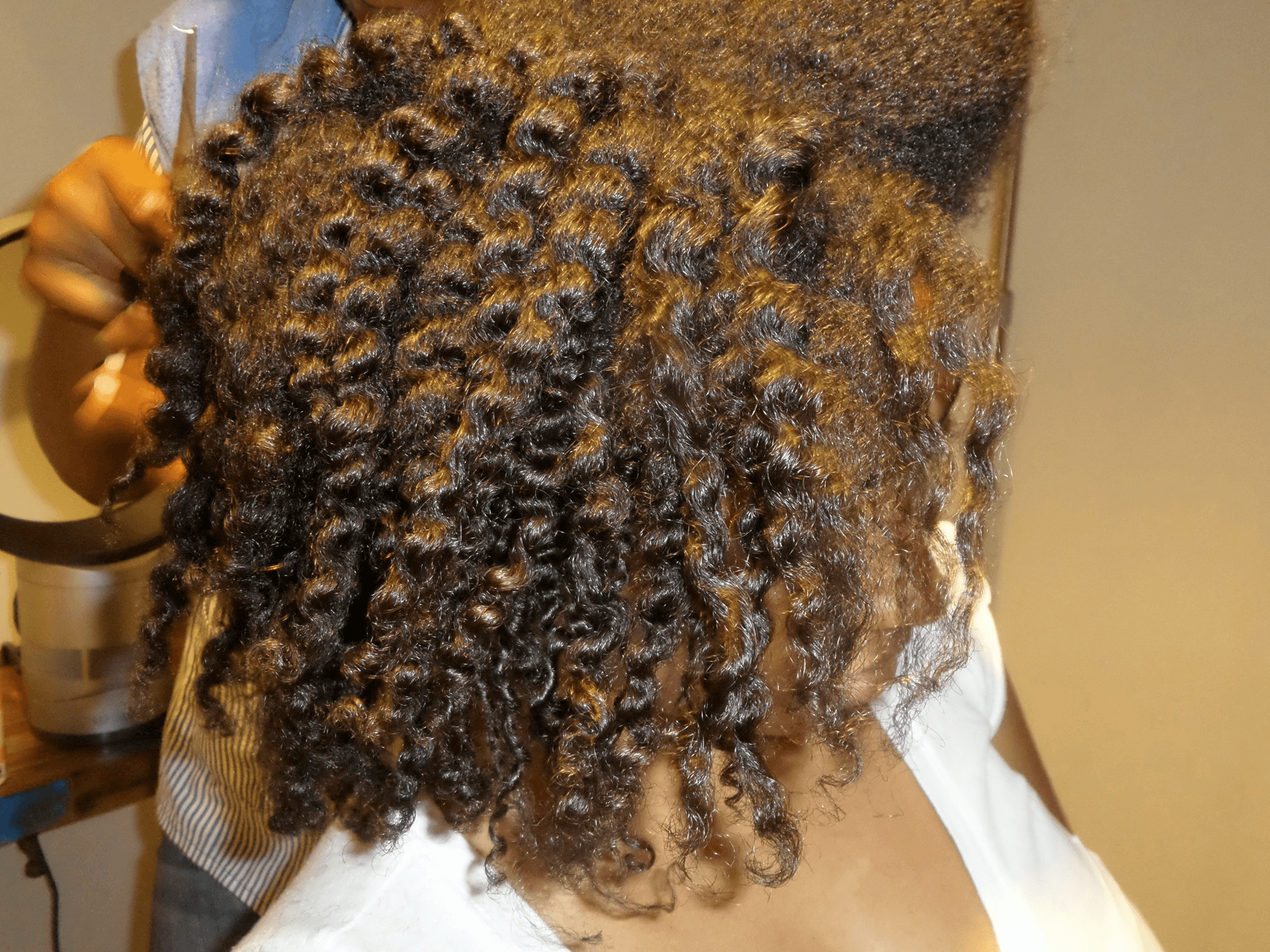
Understanding the difference between 4b and 4c hair is essential for anyone navigating the world of curly hair. Both belong to the type 4 category, which is characterized by tightly coiled curls, but they exhibit distinct traits that influence styling and care. By diving into the characteristics of each type, we can better appreciate their unique beauty.
Characteristics of 4b Hair
4b hair has a unique texture that often resembles a zigzag pattern rather than defined curls. This kind of curly hair tends to have less shrinkage compared to its 4c counterpart, making it easier to manage in terms of length perception. Additionally, individuals with 4b hair may notice that their strands are softer and more pliable, allowing for a variety of styling options without compromising curl integrity.
Characteristics of 4c Hair
In contrast, 4c hair is known for its densely packed coils that can be incredibly tight and fragile. This type often experiences significant shrinkage—sometimes up to 75%—which means it can appear much shorter than it actually is when dry. The texture can feel coarse or wiry, making moisture retention crucial for maintaining healthy strands and preventing breakage.
Visual Differences in Curl Patterns
When examining the visual differences in curl patterns between these two kinds of curly hair, it's evident how distinct they are from one another. In images showcasing the difference between 4b and 4c hair, you’ll see that while both types are beautiful, the curl patterns vary significantly; 4b curls may look more angular or zigzagged while 4c curls appear tighter with less definition overall. These visual distinctions play a pivotal role in determining appropriate care routines and styling techniques tailored specifically for each curl type.
The Texture Factor

Understanding the texture of your hair is crucial, especially when navigating the diverse world of curly hair types. The difference between 4b and 4c hair lies not only in their curl patterns but also in how texture influences styling choices. Each type has its unique characteristics that dictate the best methods for care and styling, making it essential to grasp these nuances.
How Texture Influences Styling
The texture of 4b and 4c hair significantly impacts how styles are created and maintained. For instance, 4b hair typically has a softer texture with a more defined curl pattern, allowing for versatile styles like twist-outs or braid-outs that can enhance the natural shape of curls. In contrast, 4c hair tends to be denser and coarser, often requiring different approaches such as protective styles or intricate updos to manage its volume and maintain definition without frizz.
When working with curly hair categories like these, it's important to consider how the individual characteristics of each type affect product choice and styling techniques. While some may find that certain methods work well for both kinds of curly hair, others might need to adjust their routine based on their specific curl types. Ultimately, understanding your unique texture empowers you to make informed decisions about how best to style your beautiful curls.
Managing Frizz in 4b vs. 4c
Frizz can be a common foe for anyone with curly locks, but managing it effectively varies between 4b and 4c hair types. For those with 4b hair, frizz control often involves using lightweight oils or creams that provide moisture without weighing down the curls; this helps maintain definition while keeping flyaways at bay. On the other hand, individuals with 4c hair may benefit from heavier products like butters or thicker creams that lock in moisture more effectively due to its drier nature.
It's also essential to note that humidity affects these textures differently; while both types can experience frizz in humid conditions, those with 4c hair might see a more pronounced effect due to its tighter curl structure. Therefore, knowing how each type reacts allows for better preparation when selecting products or planning hairstyles for specific weather conditions. Ultimately, embracing the differences between managing frizz in these curly hair types ensures you can flaunt your fabulous curls confidently.
Products that Work Best
Selecting the right products is vital when caring for different kinds of curly hair—especially when distinguishing between the two prominent categories: 4b and 4c hair. For those rocking luscious 4b curls, look for hydrating shampoos followed by moisturizing conditioners enriched with ingredients like shea butter or coconut oil; these help maintain softness while enhancing curl definition without excessive buildup. Meanwhile, individuals with tighter-textured 4c strands should opt for rich leave-in conditioners and styling creams designed specifically for coarse textures—these will provide much-needed hydration while combating shrinkage.
To further illustrate this point: using a gel formulated for high hold can work wonders on both textures but may require varying application techniques depending on whether you're working with looser or tighter coils. Additionally, incorporating regular deep conditioning treatments into your regimen will significantly improve moisture retention across all curly categories—this is particularly crucial if you're dealing with dryness associated with either type of curl pattern! By choosing products tailored specifically toward your unique needs within these curly categories (and avoiding one-size-fits-all solutions), you'll find yourself well-equipped to embrace every twist and turn of your beautiful locks.
Curl Types Explained

Understanding the different curl types is essential for anyone navigating the world of curly hair. The distinction between 4b and 4c hair, along with other curly hair categories, can help you tailor your hair care routine effectively. Curly hair types vary widely, and knowing where you fit in can make all the difference in achieving healthy, beautiful locks.
Varieties Within Curly Hair Types
Curly hair comes in various forms, each with its unique characteristics and styling needs. Among the kinds of curly hair, you'll find a spectrum ranging from loose waves to tight coils. Specifically, 4b and 4c hair fall into the tightly coiled category but have distinct differences that influence how they behave and respond to products.
The Relationship Between 4a, 4b, and 4c
When discussing curly hair types, it's important to recognize the relationship between 4a, 4b, and 4c strands. While all three are part of the same family of curly hair categories—characterized by their coiled nature—they each exhibit unique traits that set them apart. For instance, while 4a hair has a defined curl pattern with a bit more stretch compared to the tighter curls of both 4b and 4c hair, understanding these nuances helps you appreciate how each type interacts with moisture and styling products.
Understanding Curl Density and Shape
Curl density refers to how closely packed your curls are on your scalp; this plays a significant role in how your curls will look overall. Both difference between 4b and 4c hair can be further understood through their density—while one might have denser strands leading to more volume or shrinkage, the other may appear less dense but still packs a punch in terms of texture. Additionally, understanding curl shape is crucial; whether they form spirals or z-shaped patterns influences not just aesthetics but also care routines tailored for optimal health.
Hair Care Regimens

Each type has its unique needs and characteristics that dictate the best practices for maintenance. Understanding these nuances is crucial for achieving healthy, vibrant curls.
Best Practices for 4b Hair
For those with 4b hair, the key is to embrace its natural texture while keeping it hydrated. Start with a sulfate-free shampoo to prevent stripping your curls of moisture; follow up with a rich conditioner that aids in detangling. Incorporating leave-in conditioners or cream-based moisturizers can help define your curl types and reduce frizz, making styling a breeze.
Another important aspect of caring for 4b hair is protective styling. Styles like braids or twists not only minimize manipulation but also allow your natural oils to nourish your strands effectively. Regular trims are essential too; they keep split ends at bay and promote healthier growth, ensuring your curly hair remains bouncy and full of life.
Best Practices for 4c Hair
When dealing with 4c hair, which tends to be more fragile than its counterparts, gentle handling is essential. Opt for co-washing—using conditioner instead of shampoo—to maintain moisture levels without drying out your curls. Deep conditioning treatments should be part of your routine at least once a week to keep those coils hydrated and manageable.
Styling techniques also play a significant role in maintaining healthy 4c hair. Techniques such as the shingling method or using the praying hands method when applying products can help distribute product evenly without causing breakage. Always remember that less is more; using fewer products can prevent buildup while still allowing you to rock stunning styles.
Importance of Moisture Retention
Moisture retention cannot be overstated when discussing curly hair categories like 4b and 4c; it's the foundation of healthy curls! Both kinds of curly hair thrive on hydration due to their naturally dry nature, so establishing a solid moisture-retaining regimen is vital. Using hydrating products such as aloe vera gel or shea butter can enhance moisture retention while defining curl patterns beautifully.
Moreover, techniques like the LOC (Liquid-Oil-Cream) method are game-changers in retaining moisture within both types of curls—this ensures that water penetrates deeply into each strand while sealing it with oil and cream products on top. Remember that environmental factors like humidity can affect how well your curls hold onto moisture; adjusting your routine accordingly will yield better results over time!
Styling Tips and Tricks
Recommended Styles for 4b Hair
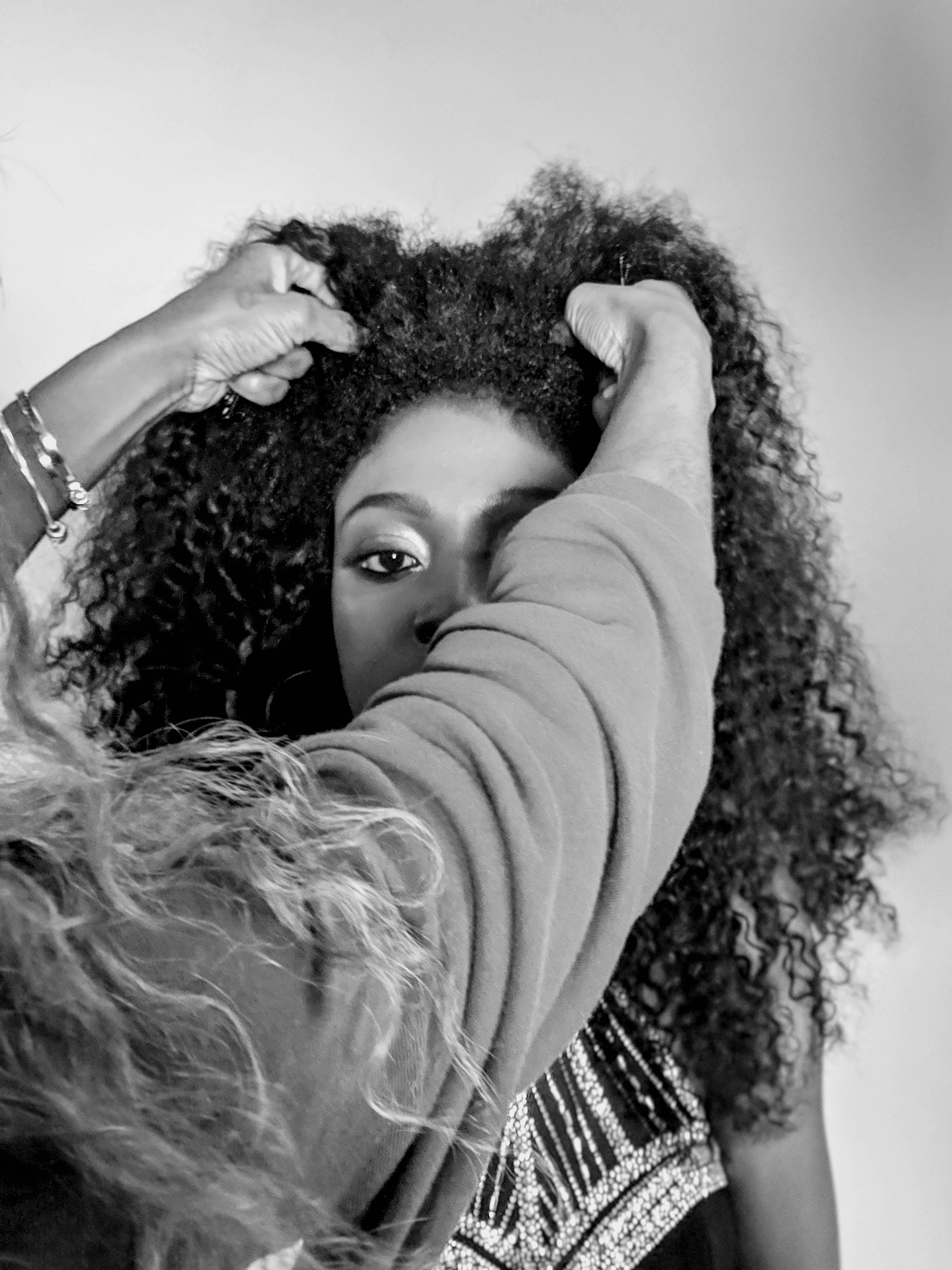
For those with 4b hair, versatility is the name of the game! This type often features a zig-zag curl pattern, which allows for a variety of fun styles. You might love rocking a classic twist-out or braid-out that showcases your natural texture while adding definition and bounce; these styles are perfect for enhancing the beauty of your curly hair without too much fuss.
Another great option is a high puff, which not only looks cute but also keeps your curls off your neck during warmer months. The difference between 4b and 4c hair becomes evident in how well defined those curls can be when styled; using products like curl creams or gels can help achieve that perfect hold without weighing down your locks. Lastly, don't shy away from accessorizing—headbands or scarves can elevate any style while keeping those curls looking fabulous!
Recommended Styles for 4c Hair
When it comes to styling 4c hair, embracing its unique texture is key! With tighter curl patterns that may appear less defined than their 4b counterparts, there are still plenty of chic options available. A popular choice is the wash-and-go method; by using hydrating products designed specifically for curly hair types, you can enhance natural curl formation while keeping frizz at bay.
Another fantastic style is the flat twist-updo—a protective style that not only helps retain moisture but also looks stunning on any occasion. The relationship between 4a, 4b, and 4c becomes clearer as you experiment with different techniques; each type has its own flair! Finally, consider trying out chunky braids or faux locs as they provide both versatility and protection for your delicate strands.
How Comfy Wigs Can Enhance Your Look
Wigs are an excellent way to switch up your hairstyle without compromising the health of your natural curls! For those exploring the difference between 4b and 4c hair through wigs, you’ll find an array of options designed to mimic various curly hair types beautifully. Whether you're looking for a full-on glam look or something more casual, comfy wigs allow you to express yourself while giving your natural locks a break from styling stress.
Moreover, wearing wigs provides an opportunity to experiment with colors and lengths that may be difficult to achieve with natural hair alone—talk about versatility! Plus, they offer protection against environmental factors like humidity that often wreak havoc on curly hairstyles. So go ahead—embrace comfy wigs as part of your styling arsenal!
Conclusion
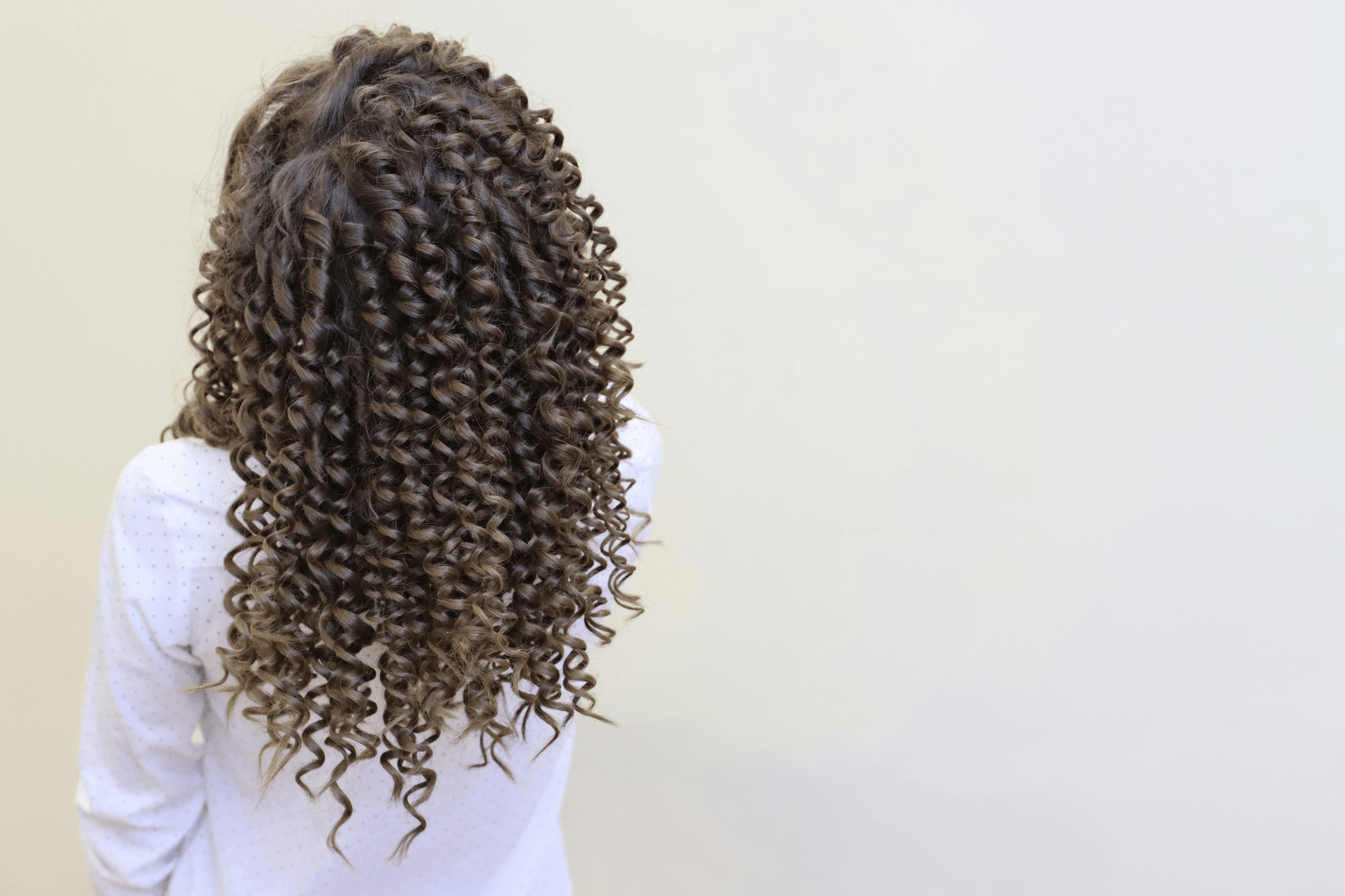
Understanding the difference between 4b and 4c hair is crucial for anyone navigating the world of curly hair. Each category of curly hair comes with its own unique characteristics, styling challenges, and care requirements. Recognizing these distinctions can empower individuals to embrace their natural texture and make informed choices about products and routines.
Key Points on Hair Type Differences
The primary differences between 4b and 4c hair lie in their curl patterns and textures. While 4b hair typically has a softer, more defined curl pattern that resembles a zigzag shape, 4c hair tends to be tighter with less definition, often appearing fluffy or less defined. Understanding these differences helps individuals choose the right styling techniques and products tailored specifically for their curly hair types.
Moreover, knowing the nuances within curly hair categories can significantly influence your approach to moisture retention and frizz management. For instance, while both types may require hydration, the methods of achieving it can differ due to texture variations. By grasping these key points, you can better appreciate the diversity among kinds of curly hair.
Why Knowing Your Hair Matters
Knowing your specific curl type empowers you to select appropriate products that cater directly to your needs—be it for moisturizing or defining curls. The difference between 4b and 4c hair extends beyond aesthetics; it affects how you treat your strands daily. When you understand your unique curly hair categories, you're more likely to avoid damaging practices that could lead to breakage or dryness.
Additionally, recognizing whether you have 4a, 4b, or 4c hair allows you to connect with others who share similar experiences in managing their curls. This sense of community can provide support as well as tips on what works best for different curl types. Ultimately, knowing your hair matters because it fosters confidence in embracing your natural beauty.
Final Thoughts on Curly Hair Care
Caring for curly hair is a journey filled with discovery—especially when it comes to understanding the difference between various curl types like 4b and 4c hair. Emphasizing moisture retention is paramount across all kinds of curly hair; however, tailoring techniques based on specific needs will yield better results over time. From choosing suitable styles to experimenting with products designed for each category of curls, every step contributes to healthier locks.
In conclusion, whether you're rocking beautiful 4c curls or flaunting fabulous 4b waves, remember that self-love is essential in this journey! Embrace your unique texture while learning what makes it thrive—after all, every strand tells a story worth celebrating!