
Introduction
Understanding Wig Density Basics
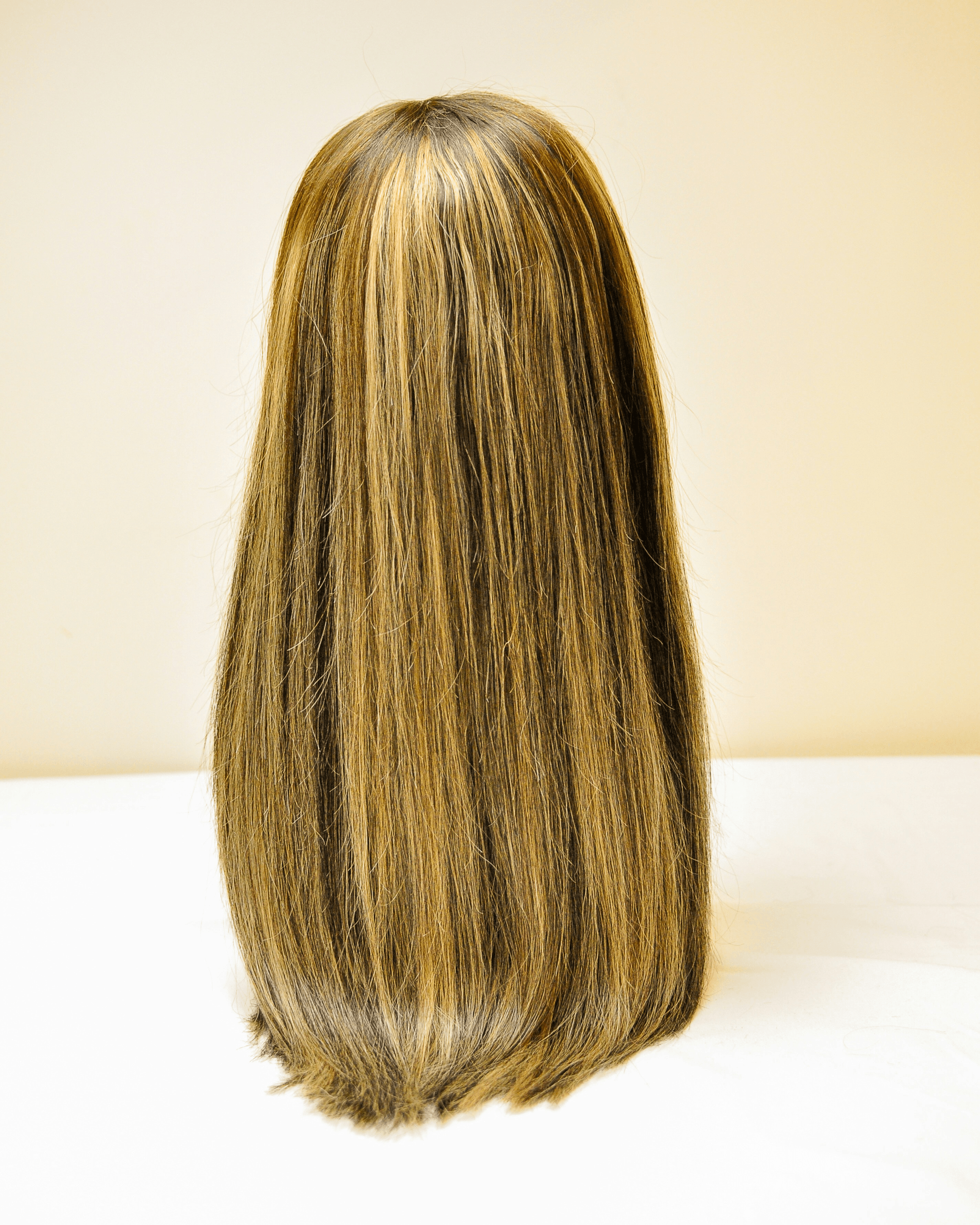
Wig density essentially measures how full or thin a wig appears, which is determined by the number of strands of hair per square inch on the cap. For those exploring wigs of human hair, knowing the right density can help achieve a natural look that blends seamlessly with your own hair. Whether you're considering light, medium, or heavy density options, each type offers unique benefits tailored to different styles and preferences.
Importance of Density in Wigs
The importance of density in wigs cannot be overstated; it plays a vital role in achieving the desired look and comfort level for wearers. A higher density may provide more volume and styling versatility but can also feel heavier on the scalp compared to lighter densities. For those who prioritize comfort alongside aesthetics—especially when opting for human hair hair wigs—finding the right balance is essential for an enjoyable experience.
Types of Wig Density Explained
There are generally three types of wig density: light, medium, and heavy—each catering to different styling needs and personal preferences. Light density offers a more natural look that mimics fine hair textures; medium provides versatility for various styles; while heavy density delivers maximum volume for bold statements. By understanding these differences among wigs and human hair options, you can make informed choices that suit your lifestyle.
What is Density in Wigs?

Wig density is a crucial aspect that determines how thick or thin a wig appears when worn. Understanding what does density mean in wigs can help you choose the right style that complements your look and feels comfortable. It’s not just about aesthetics; the right density can significantly impact how natural your wig looks, especially with human hair and wigs.
Definition of Density in Wigs
When we talk about density in wigs, we're referring to the amount of hair per square inch on the wig cap. This measurement dictates whether a wig will be light, medium, or heavy in appearance. For those exploring wigs of human hair, knowing this definition is vital for making an informed choice that suits both style and comfort.
How Density Affects Appearance
Density plays a significant role in how wigs sit on your head and how they frame your face. A higher density means more hair, resulting in a fuller look that can be glamorous but may also feel heavier on your scalp. Conversely, lighter densities create a more natural appearance that mimics the way real hair behaves—ideal for those who prefer subtlety with their wigs and human hair options.
Common Misconceptions
Many people mistakenly believe that higher density always equals better quality when it comes to wigs and human hair products. In reality, it's all about personal preference; some may find heavy-density wigs cumbersome while others love the volume they provide. Additionally, there’s a myth that light-density wigs lack versatility—this couldn’t be further from the truth! Light-density options can still offer plenty of styling possibilities without overwhelming your features.
Measuring Wig Density
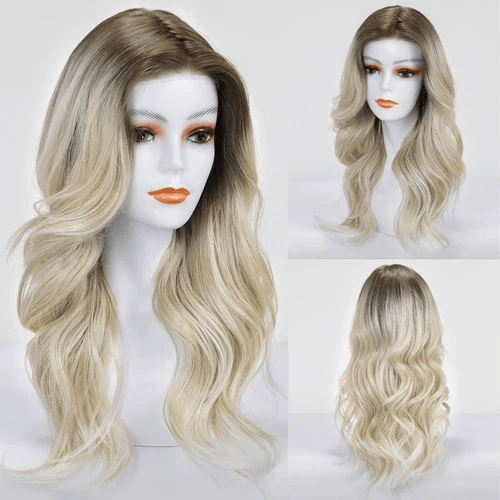
Wig density refers to the amount of hair strands per square inch on a wig cap, which directly influences how full or thin the wig appears. By knowing how to measure density correctly, you can make an informed choice when selecting wigs of human hair or synthetic options.
Tools and Techniques for Measurement
To measure wig density effectively, you’ll need some basic tools like a tape measure and a ruler. Start by laying the wig flat on a clean surface and using your tape measure to determine the width of the base cap. Next, count the number of hair strands in a specific section (usually one square inch) to get an accurate measurement of what does density mean in wigs.
For more precise measurements, some people use specialized tools like wig density gauges that can simplify this process. These gadgets help you quantify hair volume without all the guesswork involved in traditional methods. After measuring both human hair and wigs made from synthetic fibers, you’ll be better equipped to choose between various styles based on your personal preferences.
Standard Density Categories
Wigs typically fall into three standard density categories: light, medium, and heavy. Light density wigs usually contain around 80-100% of normal hair thickness; they offer a natural look that’s perfect for everyday wear without overwhelming your features. Medium density wigs range from 120-150%, providing fuller coverage while still maintaining a realistic appearance; they are ideal for those who want versatility in styling.
Heavy density wigs boast upwards of 180% thickness; these are perfect for creating dramatic hairstyles or voluminous looks that stand out in any crowd. When exploring different types of wigs—whether human hair or synthetic—understanding these standard categories will help narrow down your options significantly based on what feels right for you.
Choosing the Right Density for You
Choosing the right wig density involves considering several factors: your face shape, personal style preferences, and intended use (daily wear versus special occasions). If you're new to wearing wigs or want something low-maintenance, starting with medium-density options might be best as they offer balance without overwhelming volume. On the other hand, if you've got experience styling human hair hair wigs or prefer bold looks that make a statement, heavy-density choices could elevate your game!
Don't forget about comfort! Wigs and human hair should feel good against your scalp while still delivering on aesthetics; finding that sweet spot between style and comfort is key when selecting from various densities available in both human hair and synthetic materials. Ultimately, it's about finding what works best for you so that every time you don your wig—whether it’s made from natural tresses or synthetic fibers—you feel fabulous!
Different Types of Density

Light Density Wigs
Light density wigs are perfect for those who prefer a more natural appearance with less volume. These wigs typically mimic the look of fine, naturally thin hair, making them ideal for everyday wear or casual outings. If you're wondering what does density mean in wigs, think of light density as offering a subtle elegance that blends seamlessly with your own hair.
Wigs made from human hair often excel in this category because they can be styled easily while maintaining a soft and realistic texture. Light density human hair wigs allow for versatile styling options without overwhelming your face shape or features. Additionally, these wigs are perfect for those who want to achieve an effortlessly chic look without excessive bulk.
Medium Density Wigs
Medium density wigs strike an excellent balance between fullness and natural appearance, making them one of the most popular choices among wig wearers. This type offers enough volume to create various hairstyles while still looking realistic—ideal for both casual and formal occasions alike. When considering what does density mean in wigs, medium density provides versatility that suits many preferences.
With medium-density human hair wigs, you can easily switch up your style without sacrificing comfort or authenticity. They allow you to experiment with different looks—from sleek ponytails to voluminous curls—while ensuring that the wig remains lightweight on your head. Plus, these options are great if you're transitioning from natural hair to wearing wigs of human hair since they create a seamless blend.
Heavy Density Wigs
For those who love drama and bold styles, heavy density wigs are where it's at! These wigs offer maximum volume and fullness that can transform any look into something strikingly glamorous. If you've been pondering what does density mean in wigs, heavy density is all about making a statement with luscious locks that command attention.
Heavy-density synthetic or human hair wigs provide ample styling possibilities—from big curls to intricate updos—that wouldn't be possible with lighter densities. However, keep in mind that while these looks are stunning, they may require more upkeep than their lighter counterparts due to added weight and volume. So if you're ready for some fabulous flair but also want comfort in wearing your wig all day long, consider how heavy-density options might fit into your lifestyle.
Impact of Density on Styling

How Density Influences Styling Options
The density of your wig can greatly influence your styling options and how well certain hairstyles will hold up throughout the day. For instance, lighter density wigs often allow for more natural movement and can create soft, flowing styles that mimic real hair beautifully. On the other hand, heavier density wigs provide more volume and support for intricate hairstyles like updos or dramatic curls, but they may require additional care to avoid looking overly bulky.
Choosing between human hair and wigs also impacts how you approach styling based on density. Wigs made from human hair tend to have a more realistic appearance and can handle heat styling better than synthetic options—allowing for greater flexibility with various densities. Ultimately, understanding what does density mean in wigs will guide you toward selecting the perfect piece that aligns with your desired look.
Styling Human Hair Wigs vs Synthetic Wigs
When it comes to styling human hair wigs versus synthetic wigs, there are distinct differences influenced by their respective densities. Human hair wigs generally offer greater versatility; they can be styled using heat tools without fear of damage while maintaining their natural look over time. In contrast, synthetic wigs often come pre-styled with specific densities that limit your ability to change their shape or texture drastically.
Moreover, synthetic fibers typically have a set style that holds well due to their inherent structure; however, this means they may not respond as favorably to heat when compared to human hair and wigs made from natural strands. This distinction is crucial when considering what does density mean in wigs because it affects how much manipulation each type can withstand during styling sessions. Therefore, if you're looking for flexibility in hairstyles across different densities, investing in high-quality human hair hair wigs might be the best route.
Tips for Styling Different Densities
Styling different densities requires some tailored approaches to achieve stunning results while ensuring longevity in your wig's appearance. For light-density wigs, consider using lightweight products like mousse or leave-in conditioners that enhance volume without weighing down the strands—this keeps them looking fresh and bouncy! Conversely, heavy-density wigs benefit from stronger hold products such as gels or sprays that help maintain structure throughout elaborate styles.
Another essential tip is to adapt your heating tools according to the wig's material; always use lower temperatures on synthetic options while allowing higher settings for human hair and wigs designed for heat resistance. Additionally, remember that layering techniques work wonders on both types: thin out heavier pieces slightly or add layers into lighter ones for added texture without compromising fullness! By keeping these tips in mind while understanding what does density mean in wigs will elevate your styling game significantly.
Comfy Wigs: Density and Quality

Features of Comfy Wigs
Comfy wigs boast several features that set them apart from traditional options. These wigs often utilize breathable materials, allowing for better air circulation, which is crucial for those wearing them for extended periods. Additionally, they typically have adjustable straps and soft lace fronts that enhance comfort while mimicking the natural hairline—perfect for those looking to blend human hair and wigs seamlessly.
The lightweight construction of comfy wigs ensures that wearers can enjoy their styles without feeling weighed down. This feature is particularly beneficial for individuals who may be new to wearing wigs or those transitioning from their natural hair to wigs of human hair. The combination of style and comfort makes these options ideal for anyone seeking quality in their wig experience.
Why Choose Comfy Wigs for Density
Choosing comfy wigs when considering density means opting for versatility without sacrificing comfort. With various density options available—from light to heavy—these wigs cater to different preferences while maintaining a high-quality feel against the scalp. For many, understanding what does density mean in wigs becomes clearer when they realize how different densities impact overall styling capabilities.
Moreover, comfy wigs allow wearers to experiment with various looks without the added weight or discomfort often associated with heavier styles. Human hair and wigs blend beautifully in these designs, offering a more realistic appearance compared to synthetic alternatives. Whether you prefer lush volume or a more understated look, there’s a comfy wig out there tailored just for you.
Customer Experiences with Comfy Wigs
Customer testimonials highlight the satisfaction many experience when choosing comfy wigs over others on the market. Many users rave about how these products combine style with practicality; they appreciate how easy it is to maintain their human hair hair wigs while enjoying all-day comfort. Feedback often mentions how understanding what does density mean in wigs has helped customers select pieces that suit their lifestyles perfectly.
In conclusion, if you're looking into upgrading your wig game by blending comfort with style while keeping an eye on what does density mean in wigs, consider investing in comfy options designed specifically for your needs!
Conclusion
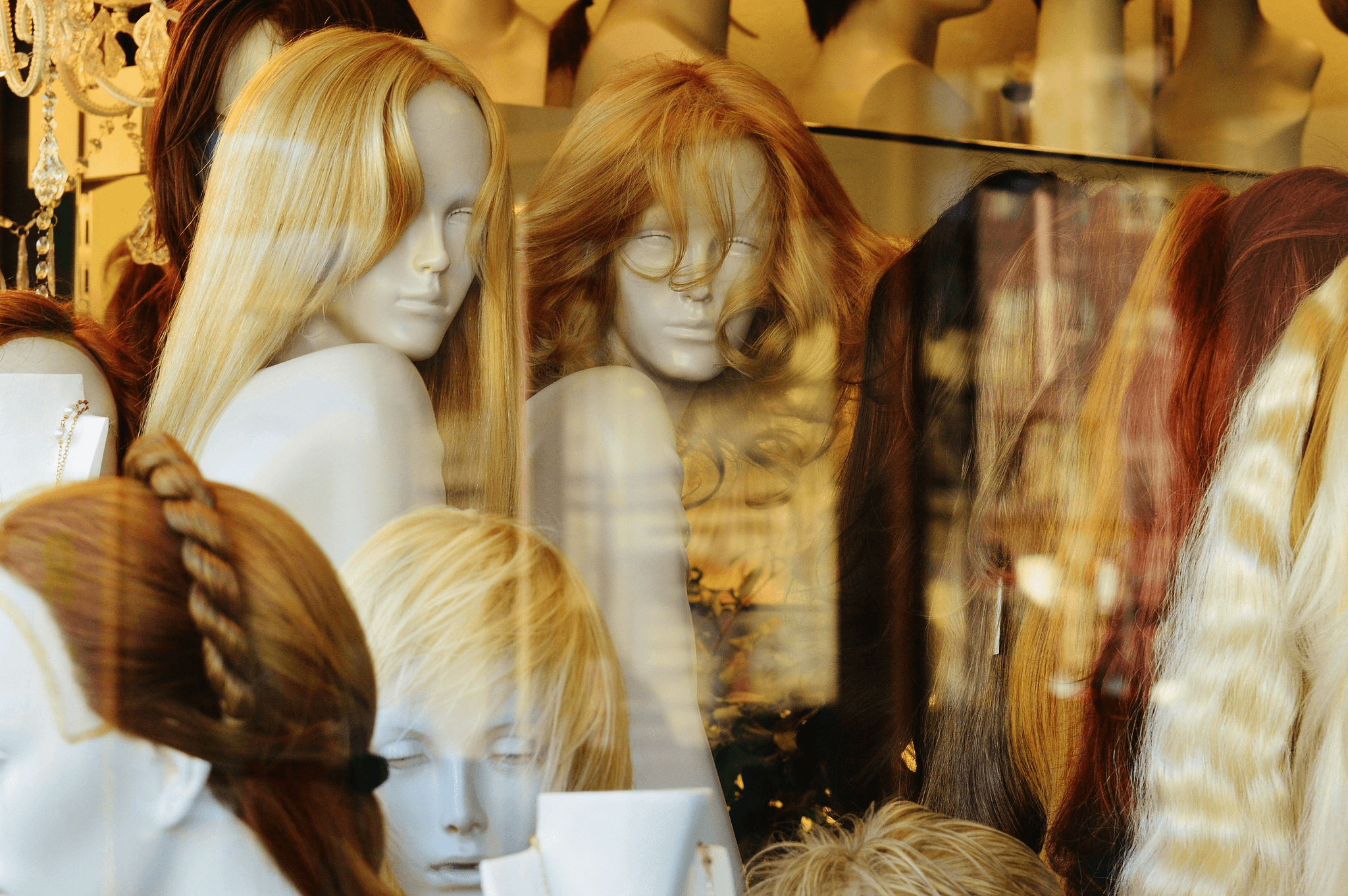
As we wrap up our exploration of wig density, it's clear that understanding this concept is essential for anyone looking to enhance their look with wigs. From defining what does density mean in wigs to recognizing how it impacts styling and overall appearance, it's a crucial factor in making the right choice. Whether you’re considering human hair and wigs or synthetic options, knowing your preferred density can elevate your wig game significantly.
Key Takeaways on Wig Density
When diving into the world of wigs, one must grasp that density refers to the amount of hair present on a wig cap. This directly influences not just the look but also the feel of wigs human hair wigs or synthetic varieties. Remember that heavier densities tend to offer a fuller appearance, while lighter densities provide a more natural look—key points when choosing among various wigs and human hair options.
Finding Your Perfect Wig Density
Finding your ideal wig density is akin to searching for the perfect pair of shoes; it requires trying on different styles until you find what feels just right. Consider factors such as face shape, lifestyle, and personal style when determining what does density mean in wigs for you personally. If you're drawn to a natural look with less bulk, opting for lighter densities might be your best bet among all types of wigs of human hair available.
The Future of Wigs and Density
As technology advances in both wig manufacturing and materials used—think high-quality synthetic fibers mimicking human hair—the future looks bright for wig enthusiasts everywhere. Innovations will likely lead to even more customizable options regarding density, allowing users greater freedom in selecting styles that suit their unique preferences. Ultimately, whether you're into glamorous heavy-density styles or subtle light-density looks, the evolution of wigs and hair continues to flourish.