
Introduction

The hair industry has seen a remarkable surge in popularity, particularly in the realm of selling bundles of hair. As more individuals seek to enhance their appearance through hair extensions and wigs, understanding the market dynamics becomes essential for anyone considering how to start a business selling hair bundles. With numerous options available, it’s crucial to grasp the nuances of pricing and demand that drive this lucrative sector.
Understanding the Market for Hair Bundles
The market for hair bundles is diverse and ever-evolving, catering to a wide range of consumer preferences and budgets. When exploring how to start a business selling hair bundles, one must identify target demographics and their specific needs, whether they are looking for natural looks or vibrant colors. Additionally, understanding trends in hairstyles can help you select the most sought-after products that resonate with potential buyers.
Key Factors Influencing Hair Pricing
Several key factors influence pricing when it comes to selling bundles of hair. Quality plays a significant role; premium human hair often commands higher prices compared to synthetic alternatives. Furthermore, geographical location can affect costs—how much is 1 kg of hair may vary significantly based on where you source it from—so conducting thorough research on supplier prices is imperative for profitability.
Popular Types of Hair Bundles
There are various types of hair bundles available in the market today, each catering to different customer preferences and price points. From straight and wavy textures to curly styles, understanding these options can help you effectively market your products when selling bundles of hair. Moreover, knowing how much money can I get for 12 inches of hair allows you to set competitive prices while ensuring quality remains paramount in your offerings.
Determining Your Cost of Goods
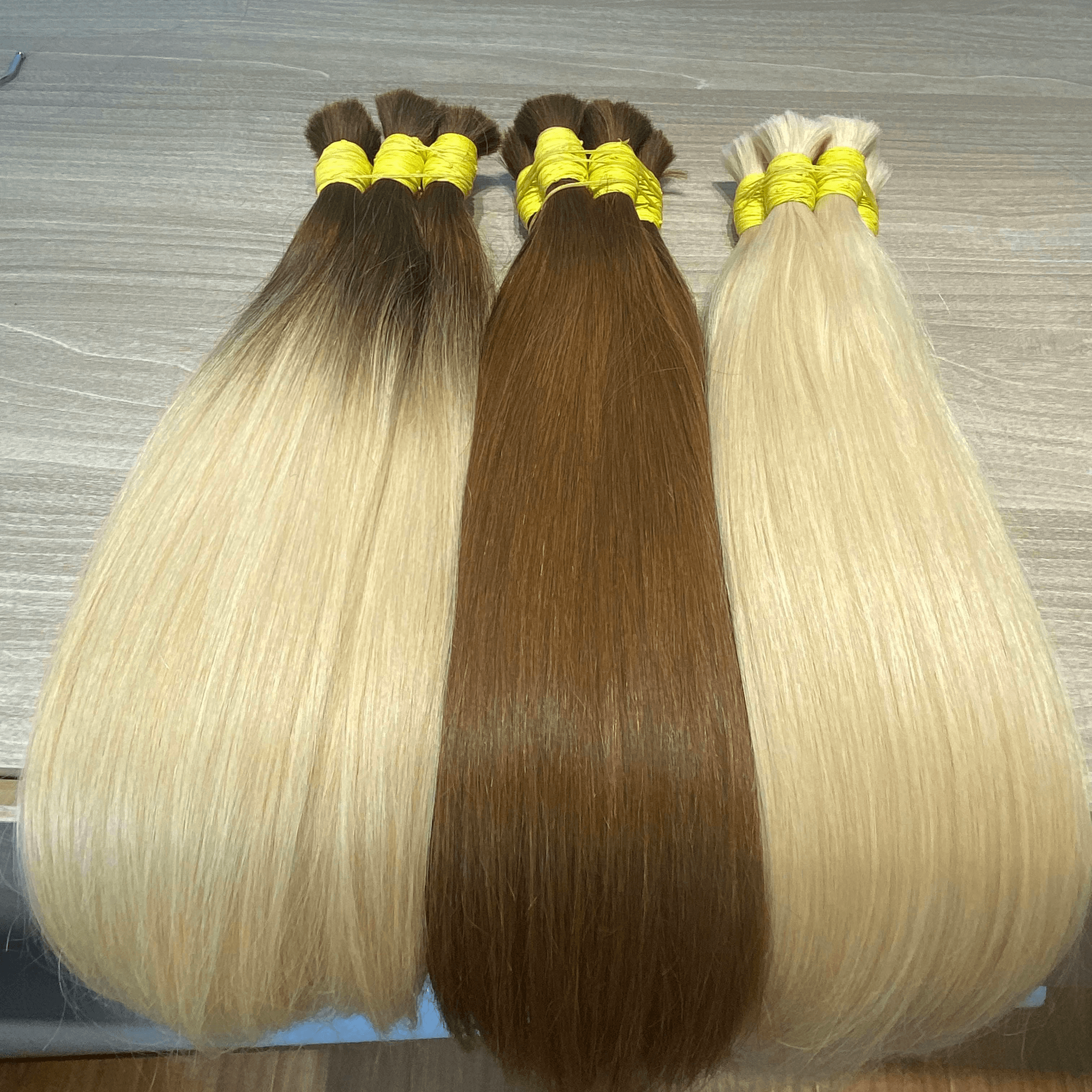
When diving into the world of selling bundles of hair, understanding your cost of goods is essential for establishing a profitable business model. This involves analyzing supplier prices, shipping and handling costs, and overhead expenses. Each component plays a crucial role in determining how much you can charge while still making a profit.
Analyzing Supplier Prices
The first step in determining your cost of goods is to analyze supplier prices thoroughly. Start by reaching out to various suppliers to get quotes on bulk purchases, as this can significantly affect how much it costs to start a business selling hair bundles. Remember, the price per kilogram can vary widely; for instance, “How much is 1 kg of hair?” often depends on quality and type, so do your homework and compare options.
Once you have a good grasp on different suppliers' pricing structures, consider factors such as minimum order quantities and payment terms. The goal is to find reliable suppliers who offer competitive rates without sacrificing quality—after all, you want your customers coming back for more! By carefully evaluating these costs upfront, you'll set yourself up for success when you decide how much to charge for each bundle.
Understanding Shipping and Handling Costs
Next up are shipping and handling costs—an often overlooked aspect that can eat into your profits if not managed properly. When selling bundles of hair online, it’s vital to factor in these expenses right from the beginning; they can vary based on location and weight. For example, if you're shipping internationally or using expedited services, prices may skyrocket unexpectedly.
To keep things manageable, consider negotiating shipping rates with carriers or even passing some costs onto customers through calculated shipping fees at checkout. Additionally, offering free shipping over a certain purchase amount could entice buyers while ensuring that your overall profit margins remain intact. Understanding these logistics will help you avoid surprises down the road as you scale your business.
Calculating Your Overhead Expenses
Finally, don’t forget about calculating your overhead expenses when determining the total cost of goods! These include everything from website hosting fees to marketing expenses—basically anything that keeps your business running smoothly but isn’t directly tied to product sales. It’s essential to account for these costs when figuring out whether “Is selling hair extensions profitable?” because they impact how much money you ultimately take home.
For instance, if you're spending significant amounts on advertising or maintaining an online store's functionality, those numbers need to be factored into your pricing strategy as well. By keeping track of all these expenditures diligently over time—perhaps using accounting software—you'll gain clearer insights into profitability levels and growth potential in the long run! Plus, knowing how much money you can get for 12 inches of hair will help refine pricing strategies further.
Researching the Competition

When diving into the world of selling bundles of hair, understanding your competition is crucial. This not only helps you gauge where you stand in the market but also informs your pricing strategies and marketing tactics. To effectively position your business, you'll need to analyze what others are doing right (and wrong) in this lucrative industry.
Evaluating Pricing Strategies of Comfy Wigs
Comfy Wigs has made a name for itself by offering competitive pricing on hair extensions that cater to various customer budgets. Their pricing strategy often includes a tiered approach, allowing customers to choose from premium, mid-range, and budget-friendly options. By examining how Comfy Wigs structures their prices, you can gain insights into how much is 1 kg of hair priced in various quality ranges and adjust your business model accordingly.
Understanding their promotional offers can also provide valuable lessons on how to attract customers while maintaining profitability. For instance, they frequently run seasonal promotions that encourage bulk purchases—an effective tactic for those wondering if selling hair extensions is profitable. If you can replicate some of these strategies while ensuring quality remains high, you're likely to see success too.
Identifying Top Competitors in Hair Extensions
In the realm of hair extensions, identifying top competitors is essential for any entrepreneur asking themselves how to start a business selling hair bundles? Companies like Luxy Hair and Bellami are key players known for their extensive product lines and strong brand presence. By analyzing these brands’ strengths and weaknesses, especially regarding customer engagement and product variety, you can carve out a unique niche for your offerings.
It’s also important to consider regional competitors who may dominate local markets with specialized products or services tailored to specific demographics. This could include unique lengths or styles that appeal particularly well within certain communities—something that might influence how much money can I get for 12 inches of hair depending on demand trends in different areas.
Learning from Successful Hair Bundle Brands
Successful brands in the hair bundle industry often share common traits: exceptional quality control, robust marketing strategies, and strong customer relationships. They prioritize sourcing high-quality materials which directly impacts their pricing models—crucial knowledge for anyone entering this market looking at whether selling bundles of hair will be profitable long-term. Understanding their supply chain management can help inform your decisions on supplier selection as well.
Moreover, many successful brands invest heavily in social media marketing to create buzz around new products or collections—something worth emulating if you're keen on maximizing visibility from day one! Learning from these established businesses can provide invaluable insights into effective sales techniques and customer service practices that foster loyalty among buyers seeking reliable sources for their hair needs.
Setting Your Target Profit Margin
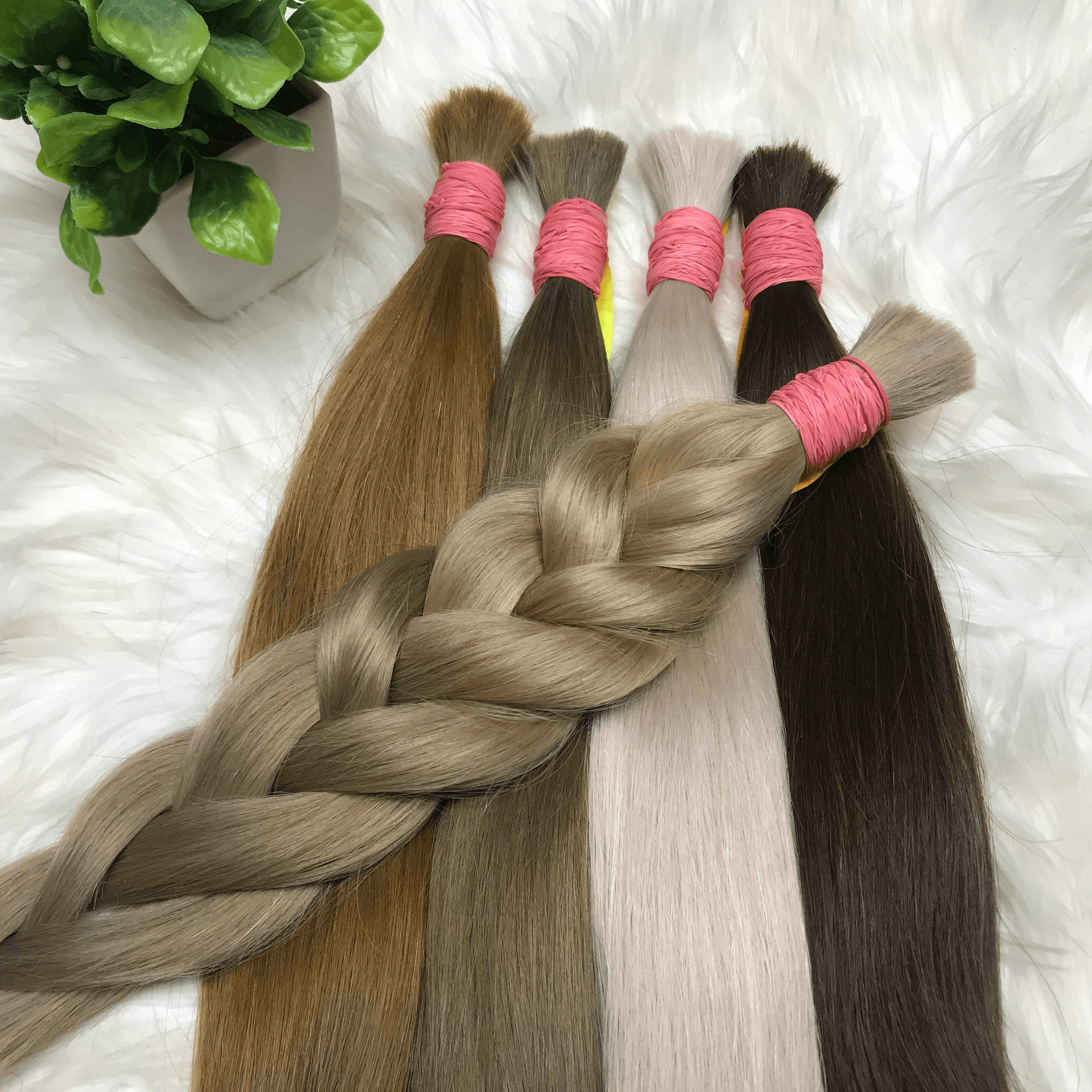
When it comes to selling bundles of hair, establishing a target profit margin is crucial for the sustainability and growth of your business. This involves understanding your costs, market dynamics, and customer expectations. With the right approach, you can maximize profitability while keeping your offerings competitive.
Calculating Break-Even Points
Calculating your break-even point is an essential step in determining how much you need to sell to cover costs when starting a business selling hair bundles. This involves analyzing fixed costs like rent and utilities alongside variable costs such as supplier prices and shipping expenses. By understanding how much money you can make from each sale—like knowing how much is 1 kg of hair—you'll be able to set realistic sales goals that ensure profitability.
To calculate your break-even point, divide your total fixed costs by the price per unit minus variable costs per unit. For example, if you find that selling hair extensions profitable requires a specific volume of sales each month, knowing this number helps you strategize effectively. Once you've identified this critical figure, you'll have a clearer picture of what it takes to thrive in the competitive marketplace.
Deciding on a Competitive Pricing Model
Choosing the right pricing model is vital when you're in the game of selling bundles of hair. You might consider various strategies—cost-plus pricing or value-based pricing—to determine what works best for your target market. Researching competitors like Comfy Wigs will help you identify pricing trends and understand what customers are willing to pay for quality extensions.
While setting prices too low may attract buyers initially, it could devalue your brand in the long run; conversely, pricing too high may scare away potential customers who are savvy about their options. A balanced approach ensures you're not just covering expenses but also making profits that allow for growth and reinvestment into your business operations. Remember to factor in seasonal promotions or discounts that can further entice buyers while maintaining healthy margins.
Assessing Customer Willingness to Pay
Understanding customer willingness to pay is another critical aspect when determining how much money can I get for 12 inches of hair or any other product size you offer in your inventory. Conducting surveys or focus groups can provide valuable insights into what potential buyers expect regarding price versus quality when purchasing hair extensions. This information will guide you toward setting prices that resonate with consumers while still ensuring profitability.
Additionally, monitoring social media trends and engaging with customers directly can help gauge their perceptions about value in relation to price points—essential knowledge for anyone serious about selling bundles of hair successfully! As demand fluctuates based on fashion trends and seasons, staying attuned to these shifts means you'll be better positioned to adjust prices accordingly without losing loyal customers.
Marketing Your Hair Bundles Effectively

In the competitive world of selling bundles of hair, effective marketing is crucial for standing out and attracting customers. With the right strategies, you can not only reach a wider audience but also convert them into loyal buyers. Let’s explore some powerful methods to market your hair bundles effectively.
Leveraging Social Media for Sales
Social media platforms are gold mines for anyone looking to start a business selling hair bundles. By showcasing your products through eye-catching images and engaging videos, you can captivate potential customers and drive traffic to your online store. Additionally, utilizing targeted ads on platforms like Instagram and Facebook can significantly increase visibility and lead to higher sales conversions.
Engagement is key; interact with your followers by responding to comments and messages promptly. This builds trust and fosters a community around your brand, making it more likely that customers will choose you when asking themselves how much money can I get for 12 inches of hair? Remember, social media isn’t just about selling; it’s about creating relationships that turn into sales.
Building an Engaging Online Store
Creating an engaging online store is essential when you're diving into the world of selling bundles of hair. Your website should be user-friendly, visually appealing, and optimized for mobile devices since many shoppers browse on their phones. Make sure to include high-quality images of your products along with detailed descriptions that answer common questions like “How much is 1 kg of hair?” or “Is selling hair extensions profitable?”
Incorporating customer reviews and testimonials can also enhance credibility while encouraging new visitors to make a purchase decision based on others’ positive experiences. Don’t forget to include clear calls-to-action (CTAs) throughout your site; these guide potential buyers toward making purchases or signing up for newsletters where they can learn more about how to start a business selling hair bundles.
Utilizing Influencer Partnerships
Partnering with influencers in the beauty industry can give your brand an authentic voice while reaching broader audiences interested in hair extensions. When influencers showcase your bundles through tutorials or reviews, they create trust among their followers who may be curious about how much they could earn from reselling or using quality extensions themselves. This strategy not only drives traffic but also positions you as a reputable source in the market.
Choose influencers whose values align with yours—this ensures that their promotion feels genuine rather than forced advertising. You might even consider offering them free samples in exchange for honest feedback or promotional posts! By leveraging influencer partnerships effectively, you’ll tap into established communities eager for information on topics like how much is 1 kg of hair or tips on starting their own ventures in this lucrative industry.
Adapting Prices for Different Markets

In the dynamic world of selling bundles of hair, understanding how to adapt your pricing strategy for different markets is crucial. The hair extension market is not only competitive but also diverse, with varying customer preferences and purchasing power across regions. By exploring global pricing trends, offering strategic discounts, and tailoring seasonal promotions, you can enhance your profit margins and attract a broader customer base.
Exploring Pricing for Hair Extensions Globally
When considering how to start a business selling hair bundles, it's essential to analyze global pricing trends in the hair extension market. Prices can vary significantly based on factors such as quality, origin, and local demand; for instance, 1 kg of hair might cost less in one country than another due to supply chain efficiencies or import tariffs. Understanding these international price points allows you to position your products competitively while ensuring profitability—after all, is selling hair extensions profitable if you're not aware of what others are charging?
Furthermore, regional preferences can influence how much customers are willing to pay for specific types of hair extensions. In some markets, premium virgin hair may command higher prices due to its perceived value and quality compared to synthetic options. By researching these nuances in various markets, you can effectively tailor your offerings and maximize sales potential.
Offering Discounts to Boost Sales
Discounting is a powerful tool when it comes to selling bundles of hair—everyone loves a good deal! Offering limited-time promotions or bulk purchase discounts can entice customers who might be hesitant about spending full price initially. For example, if you're wondering how much money you can get for 12 inches of hair during a sale period versus regular pricing, the difference could be significant enough to sway potential buyers.
Additionally, consider implementing loyalty programs that reward repeat customers with exclusive discounts on future purchases; this not only encourages ongoing business but also helps build brand loyalty in a crowded marketplace. Remember that effective discount strategies should still maintain your profit margins; after all, the goal is not just boosting sales but ensuring that those sales contribute positively to your bottom line.
Tailoring Prices for Seasonal Promotions
Seasonal promotions offer an excellent opportunity for businesses selling bundles of hair to adjust their pricing strategies creatively. During peak seasons like holidays or wedding months when demand spikes—consider offering special packages or themed collections at attractive prices that resonate with current trends or events. This tailored approach ensures that you're capitalizing on heightened consumer interest while still maintaining competitive pricing.
Moreover, seasonal promotions provide an avenue for introducing new products at discounted rates—perfectly aligning with customer curiosity about what's trending in the world of hair extensions! As you refine your marketing efforts around these key periods throughout the year, keep an eye on how much is 1 kg of hair across different suppliers so you can ensure consistent quality without sacrificing profits during promotional events.
Conclusion

In the world of selling bundles of hair, establishing effective pricing strategies is crucial for long-term success. Understanding your cost structure and the competitive landscape allows you to set prices that not only cover expenses but also attract customers. Remember, a well-thought-out pricing strategy can differentiate your business in a saturated market, ultimately leading to sustained profitability.
Pricing Strategies for Long-Term Success
When considering how to start a business selling hair bundles, it’s essential to adopt flexible pricing strategies that reflect both market demand and your unique value proposition. Evaluate various models—whether premium pricing for high-quality hair or competitive pricing to attract budget-conscious consumers—to find what resonates best with your audience. By regularly assessing how much is 1 kg of hair and adjusting accordingly, you can ensure that your prices remain relevant and appealing.
The Importance of Quality in Hair Sales
Quality is non-negotiable when selling bundles of hair; it's what keeps customers coming back for more. Investing in high-quality materials not only enhances customer satisfaction but also helps justify your price point, making it easier to answer the question: Is selling hair extensions profitable? When clients see the value in what they purchase, they're more likely to pay a premium—so don’t skimp on quality if you want to thrive.
Evaluating Profitability and Growth Potential
To truly understand how much money can I get for 12 inches of hair or any length, you must regularly evaluate your profit margins and growth potential. This involves analyzing sales data, customer feedback, and market trends to make informed decisions about future investments or price adjustments. By keeping an eye on profitability while adapting to changes in consumer preferences, you position yourself well within the dynamic landscape of selling bundles of hair.