
Introduction

In a world where self-expression often takes center stage, hairpieces have emerged as versatile tools for enhancing one’s look. Understanding hairpieces and their purposes is essential, particularly when navigating the vibrant landscape of wigs and toupees. Whether you're looking to change your style or address hair loss, knowing the difference between wig and toupee can make all the difference in your choice.
Understanding Hairpieces and Their Purposes
Hairpieces serve various functions, from providing a quick style upgrade to offering solutions for those experiencing thinning hair or baldness. The difference between wig and toupee lies primarily in their design and intended use; wigs cover the entire head while toupees are typically designed to blend with existing hair for a more natural appearance. This understanding is crucial not only for aesthetic reasons but also for finding the right fit that aligns with individual needs.
The Growing Popularity of Wigs and Toupees
The growing popularity of wigs and toupees can be attributed to shifts in fashion trends, increased visibility through social media influencers, and a greater acceptance of alternative hairstyles. As more people embrace these hairpieces, they often find themselves asking about the differences—like toupee vs wig or even difference between wig and weave—as they explore their options. This surge in interest has led to an expanded market filled with diverse styles, materials, and customization choices.
Clarifying Terminology and Usage
Clarifying terminology is key when discussing these popular hair enhancements; terms like toupee, wig, hair system, or even weave can often create confusion among consumers. For instance, many might wonder about toupee pronunciation or how it differs from other terms commonly used in hairstyling discussions. By demystifying these terms, we pave the way for informed decisions that empower individuals to choose what best suits their lifestyle while appreciating the nuances of each option available.
What Is a Wig?

Wigs are versatile hairpieces designed to cover the head, either for fashion or practical reasons. They can be made from synthetic fibers or human hair, providing a wide range of styles, colors, and lengths. Understanding the definition and general features of wigs sets the stage for exploring their types and offerings.
Definition and General Features
A wig is essentially a head covering made from real or synthetic hair that is worn for various purposes, including aesthetic enhancement, cultural expression, or medical needs such as hair loss. Wigs are typically constructed with a cap that holds the hair in place while allowing for breathability and comfort. Unlike toupees, which are primarily used to cover bald spots on the scalp, wigs offer full coverage and can dramatically change one’s appearance.
Types of Wigs Available
There’s an impressive variety of wigs available on the market today that cater to different tastes and needs. From lace front wigs that provide a natural-looking hairline to full lace wigs offering versatility in styling, options abound! Additionally, there are costume wigs perfect for parties or theatrical performances—making it easy to explore your creative side without committing to a permanent look.
Comfy Wigs and Their Offerings
These wigs often feature adjustable straps and soft caps that allow for all-day wear without discomfort—a crucial factor when considering the difference between wig and toupee. Many brands now offer comfy options tailored specifically for those who prioritize ease alongside style.
What Is a Toupee?
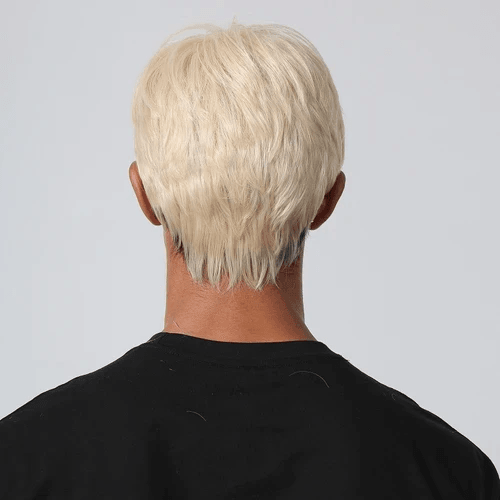
Toupees are a specific type of hairpiece designed primarily for men, aimed at covering bald spots or thinning hair. Unlike wigs, which can be full head coverings, toupees are typically smaller and focus on specific areas of the scalp. They can be made from both synthetic and natural hair, offering versatility in style and appearance.
Definition and General Features
A toupee is essentially a partial wig that is strategically placed to blend seamlessly with existing hair, thus providing coverage where it’s needed most. Generally lightweight and designed for comfort, toupees can be attached using various methods such as adhesive or clips, depending on personal preference and lifestyle. They often come with features like breathable bases to ensure they remain comfortable throughout the day.
Types of Toupees Available
Toupees come in various styles to cater to different needs and preferences. There are lace toupees that offer a natural look due to their thin base material, while polyurethane options provide durability and ease of cleaning. Additionally, some toupees feature customizations like color matching or texture options to achieve the perfect look—because who says you can't have fun while addressing the difference between wig and toupee?
Toupee vs Hair System: Key Differences
When comparing a toupee vs hair system, it's essential to understand their distinct purposes and applications. While a toupee focuses on covering bald spots or thinning areas with minimal fuss, a hair system often involves more extensive integration with existing hair for fuller coverage—think of it as an all-out offensive against baldness! Furthermore, maintenance differs significantly; while both require care, hair systems might demand more regular upkeep compared to your average toupee.
The Essential Difference Between Wig and Toupee
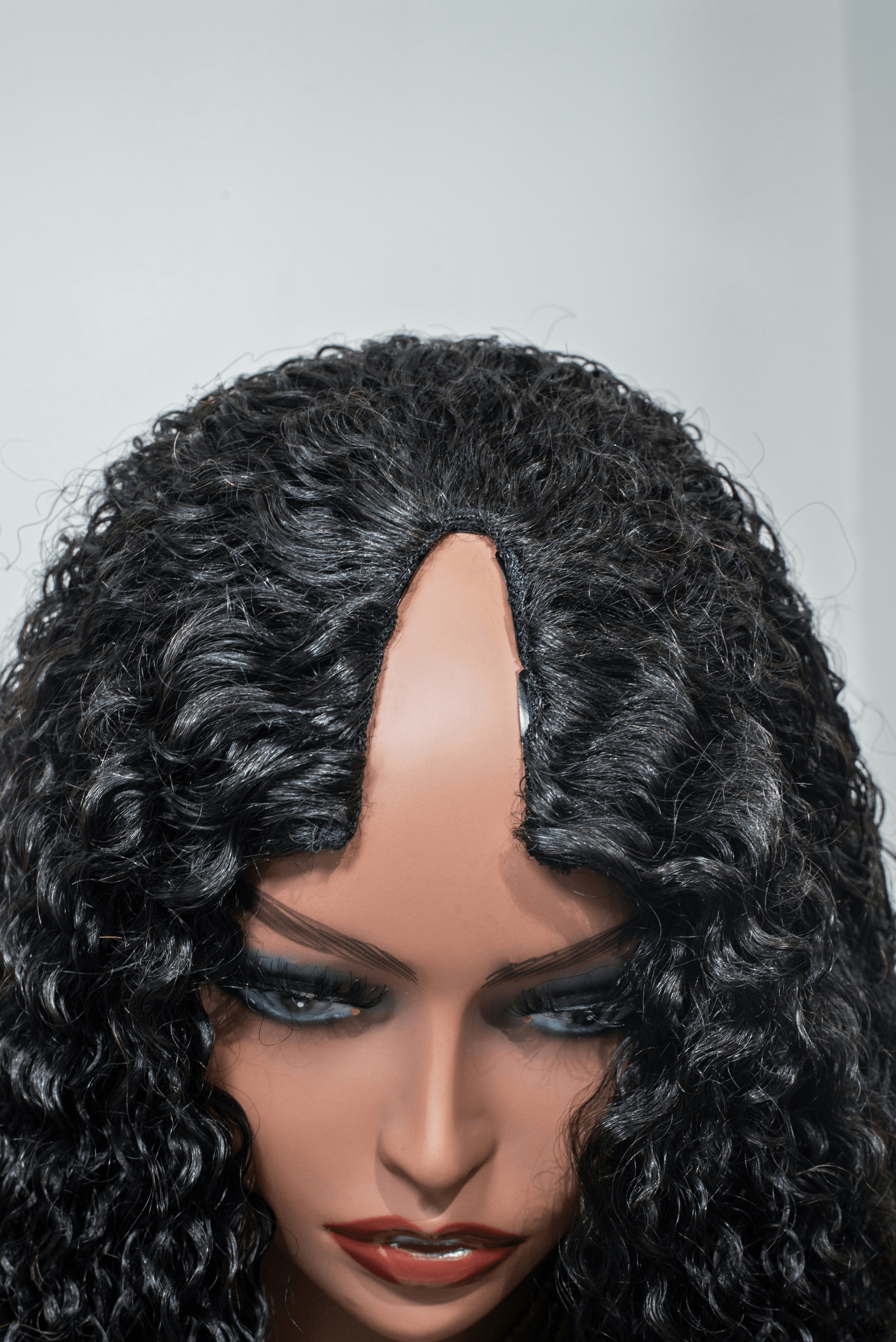
When you dive into the world of hairpieces, understanding the essential difference between wig and toupee is crucial. Both serve distinct purposes and cater to different needs, but they often get lumped together in casual conversation. This section will clarify these differences, focusing on their usage variations, application methods, and maintenance requirements.
Purpose and Usage Variations
The primary difference between wig and toupee lies in their intended use. Wigs are typically designed to cover the entire head, providing a complete transformation or disguise for various occasions—from fashion statements to costume parties. On the other hand, toupees are specifically crafted for men experiencing hair loss; they aim to restore confidence by covering bald spots or thinning areas while maintaining a natural look.
In terms of everyday use, wigs can be seen as versatile accessories that allow individuals to change their appearance frequently without commitment. In contrast, toupees tend to be more permanent fixtures for those looking for long-term solutions to hair loss. Understanding these usage variations helps you make an informed choice based on your personal needs; whether you're after a fun new style or seeking a reliable solution for thinning hair.
Application Methods and Attachment
Wigs usually come with adjustable straps or built-in combs that allow for an easy fit over the entire head—sometimes even featuring lace fronts for a more natural appearance at the hairline. Conversely, toupees are often secured using specialized adhesives or clips that attach directly to existing hair or skin; this ensures they stay put throughout daily activities.
The attachment process varies significantly depending on whether you're opting for a wig or a toupee: wigs can be thrown on in minutes while toupees require more time for precise placement and securing techniques. This distinction plays a vital role in determining which option suits your lifestyle best—if you're looking for quick changes versus something more permanent that requires careful application.
Durability and Maintenance
Durability is another aspect where Toupee vs wig differences come into play significantly as well. Generally speaking, wigs may have shorter lifespans due to frequent wear-and-tear from styling products or environmental factors like humidity; however, higher-quality wigs can last longer with proper care. On the flip side, toupees are often designed with durability in mind since they’re intended as long-term solutions—many can withstand daily wear while maintaining their form.
Maintenance also varies considerably: wigs might need regular washing depending on how often they're worn while allowing some time between washes if you're using them less frequently—a good rule of thumb is every 10-14 wears! Toupees require diligent upkeep since they must be cleaned regularly due to adhesive build-up; users should follow specific guidelines provided by manufacturers regarding cleaning agents suitable for materials used in construction.
In conclusion, recognizing these key differences will help you make an educated decision when choosing between these two popular types of hairpieces—whether it's about style preferences or practical considerations surrounding maintenance routines!
Exploring Toupee Pronunciation

Pronunciation can often be a tricky business, especially when it comes to words like toupee. The way we pronounce certain terms can sometimes lead to confusion, particularly when discussing the difference between wig and toupee. Mispronunciations can not only make conversations awkward but also affect how we perceive these hairpieces.
Common Mispronunciations
Many people stumble over the word toupee, often pronouncing it as too-pay or even toup. These variations can create a bit of a linguistic mess, leading to misunderstandings in conversations about hairpieces. When discussing the differences between wig and toupee, it's essential to get this pronunciation right to avoid any confusion or snickers from fellow wig enthusiasts!
The Correct Pronunciation
The correct pronunciation of toupee is too-pay, with a subtle emphasis on the second syllable. This French-origin term has made its way into English, and getting it right adds a touch of sophistication when discussing this topic. Knowing how to pronounce toupee properly helps clarify discussions around toupee vs hair system and enhances your overall confidence when engaging in these conversations.
Influence of Language on Understanding
Language plays a significant role in how we understand hairpieces like wigs and toupees. Mispronunciations can lead to misconceptions about their functions, further muddying the waters when distinguishing between wig and weave or exploring the nuances of toupee vs wig discussions. By ensuring that everyone is on the same page linguistically, we can foster clearer communication about these popular hair solutions.
Toupee vs Wig: A Style Perspective

When it comes to style, the difference between wig and toupee is more than just a matter of semantics; it's about how each fits into current fashion trends and personal expression. Both hairpieces have their unique charm, with wigs often allowing for bolder styles while toupees can offer a more subtle enhancement. Understanding these differences can help you choose which option aligns better with your personal aesthetic.
Fashion Trends and Choices
Fashion trends are continually evolving, and the choices between toupees and wigs reflect that dynamism. In recent years, we've seen a rise in natural-looking wigs that cater to diverse styles, from sleek bob cuts to voluminous curls. On the other hand, toupees have gained popularity for their ability to blend seamlessly with existing hair, making them ideal for those looking to enhance rather than completely change their look.
The difference between wig and toupee also extends to how these pieces are perceived in various fashion circles. Wigs are often associated with high-fashion runway looks or theatrical performances, while toupees tend to be seen as practical solutions for everyday wear. This distinction influences what people choose based on their lifestyle and fashion preferences.
Personalization Options
One of the most exciting aspects of both wigs and toupees is the range of personalization options available today. For instance, many modern wigs come in an array of colors, lengths, and textures that allow wearers to express their individual style boldly. Meanwhile, toupees can be custom-made or adjusted to match one's natural hair color perfectly—ensuring a seamless blend that enhances rather than distracts.
When considering personalization options in the context of toupee vs hair system, it's essential to note that hair systems often provide even greater customization regarding fit and style versatility compared to traditional toupees. This flexibility allows users not only to choose styles but also ensures comfort throughout daily activities—essentially a win-win situation!
Maintaining Your Look
Maintaining your look is crucial whether you opt for a wig or a toupee; after all, no one wants their fabulous style falling flat! Wigs generally require regular washing and styling products specific for synthetic or human hair types depending on your choice—keeping them looking fresh is key! Conversely, maintaining a toupee involves routine cleaning as well but often emphasizes securing it properly so it stays put during all your adventures.
Understanding the maintenance involved can also highlight another significant aspect: the difference between wig and weave versus wig and toupee lies in how each piece interacts with your natural hair care routine. While weaves are integrated into one's natural hair—which requires additional upkeep—wigs and toupees act independently yet still demand attention for longevity.
Conclusion

In the world of hairpieces, understanding the difference between wig and toupee can significantly influence your choice. Whether you are looking for a temporary style change or a long-term solution, knowing the nuances between these options—like their application methods and maintenance requirements—can help you make an informed decision. Ultimately, both wigs and toupees have unique advantages that cater to diverse needs and preferences.
Choosing Between Wigs and Toupees
When faced with the decision of wig vs toupee, consider factors such as your lifestyle, desired look, and comfort level. Wigs often provide full coverage and come in various styles, making them ideal for dramatic transformations or fashion statements. On the other hand, toupees offer a more subtle approach to hair enhancement; they can blend seamlessly with your natural hair for a more understated appearance.
Importance of Understanding Hairpieces
Understanding the difference between wig and weave is essential for anyone considering hairpieces as part of their grooming routine. Each option serves distinct purposes—from enhancing volume to providing complete coverage—and knowing what works best for you can save time and prevent frustration. Furthermore, being aware of terms like toupee pronunciation helps eliminate confusion when discussing these products with professionals or friends.
Finding the Right Fit for You
Finding the right fit involves assessing your personal style, budget, and how much maintenance you're willing to commit to each type of hairpiece. Consider exploring options like toupee vs hair system if you're looking for something that offers a natural look while requiring minimal upkeep. Ultimately, whether you choose a wig or a toupee depends on how well it aligns with your lifestyle needs; so take your time in selecting what feels just right!