
Introduction
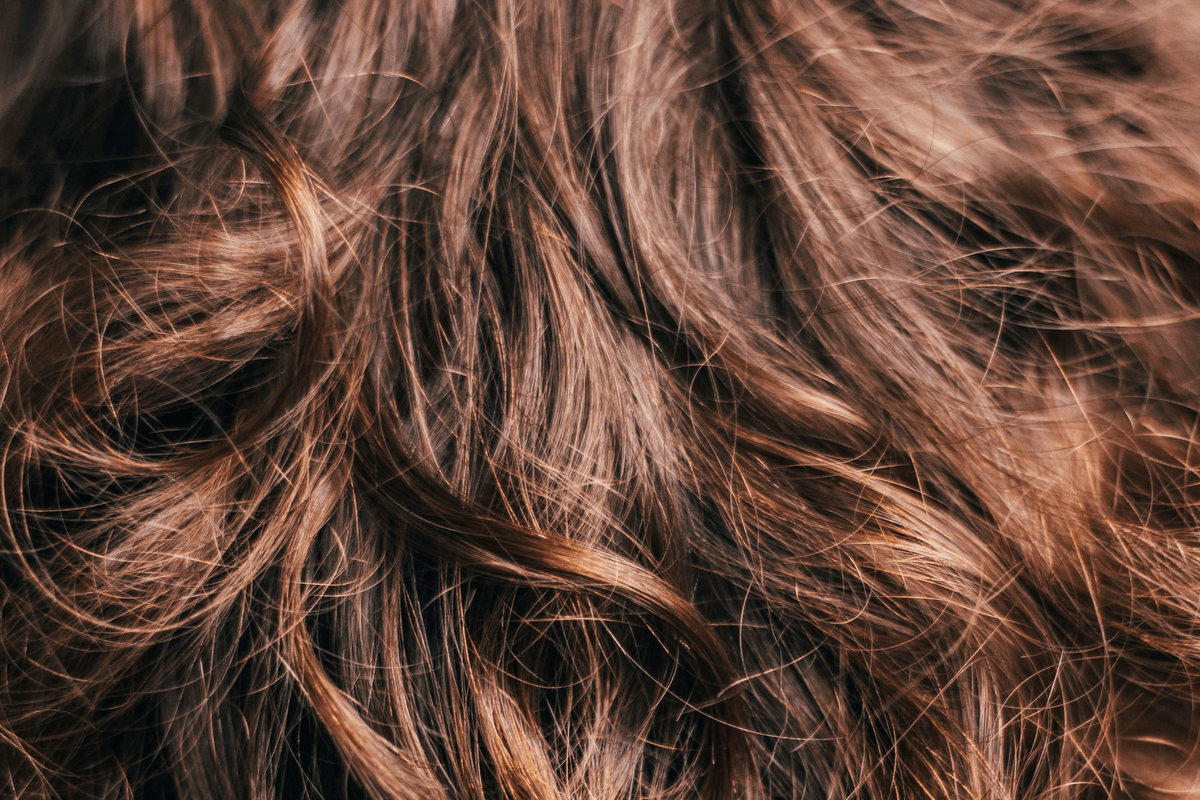
Understanding the nuances of 4b and 4c hair is essential for anyone navigating the world of natural hair care. These curl types fall under the broader category of type 4 hair, known for its unique coily texture that can sometimes be challenging to manage. By recognizing the differences between 4b and 4c hair, individuals can better tailor their routines to meet their specific needs, ensuring healthier and more vibrant locks.
Understanding 4b and 4c HairWhile both types exhibit tight curls and coils, their textures differ in terms of density and shrinkage. This knowledge empowers individuals to embrace their natural hair texture while exploring a variety of styling options that suit their unique curl patterns.
Common Misconceptions About Curl Types
Many people harbor misconceptions about curl types, often believing that all coily hair behaves similarly. In reality, the difference between 4b and 4c hair is more profound than just appearance; it also affects how each type responds to products and styling techniques. Clearing up these misunderstandings is crucial for fostering a positive relationship with your natural hair.
Importance of Knowing Your Hair Texture
Knowing your specific hair texture is paramount when it comes to effective care routines for type 4 hair. Understanding whether you have 4b or 4c hair allows you to select appropriate products that cater specifically to your needs, ultimately leading to healthier strands and enhanced manageability. Embracing your natural curls not only boosts confidence but also encourages a deeper appreciation for the beauty found within diverse curl types.
What is 4b Hair?

4b hair is a unique and beautiful texture within the type 4 hair category, often characterized by its tight, zig-zag curl pattern. This curl type tends to have a fluffy appearance and can vary in density, making it versatile yet sometimes challenging to manage. Understanding the nuances of 4b hair can empower individuals to embrace their natural hair and explore various styling options.
Characteristics of 4b Hair
The defining feature of 4b hair is its distinct curl pattern, which resembles sharp angles rather than smooth spirals. This coily hair type often has a soft, cotton-like feel and may be prone to dryness due to its structure, which makes it harder for natural oils to travel down the strands. Additionally, while the difference between 4b and 4c hair lies in their curl tightness—4c being denser with less defined curls—both types share similar moisture needs.
Styling Options for 4b Hair
From twist-outs to bantu knots and wash-and-go styles, there are countless ways to showcase your natural beauty. Protective styles like braids or updos not only highlight your gorgeous curls but also help minimize damage and retain moisture—a crucial aspect for maintaining healthy natural hair.
Maintaining 4b Hair
Maintaining healthy 4b hair involves a consistent routine centered around hydration and nourishment. Regular deep conditioning treatments are essential for combating dryness, while using lightweight oils can help lock in moisture without weighing down your coily locks. Remember that finding the right products tailored specifically for your unique texture will make all the difference between achieving frizz-free curls or battling unruly strands!
What is 4c Hair?

4c hair is often celebrated for its unique characteristics and versatility within the type 4 hair category, but it can also be misunderstood. This coily hair type tends to have a tighter curl pattern compared to its 4b counterpart, resulting in a denser and more textured appearance. The curls of 4c hair may not form as easily into defined shapes, leading to a fluffier look that many find beautiful and full of personality.
Characteristics of 4c Hair
One of the most defining characteristics of 4c hair is its extremely tight curl pattern, which can sometimes appear almost zigzagged or in small coils. This texture typically has less definition than both 4a and 4b hair types, making it prone to shrinkage—sometimes up to 75%—which can be surprising for those unfamiliar with this curl type. Additionally, 4c hair often has a higher density and lower porosity, meaning it may require more moisture retention strategies to keep it healthy and hydrated.
Unique Styling Techniques for 4c Hair
Many people with this curl type embrace protective styles such as braids or twists that help minimize manipulation while promoting growth. Other popular options include wash-and-go styles using curl creams or gels designed specifically for coily hair; however, achieving definition may require additional techniques like finger-coiling or shingling products through wet strands.
Keeping 4c Hair Healthy
Maintaining healthy 4c hair requires dedication and an understanding of its unique needs compared to other curl types like 4b hair. Regular moisturizing is essential; using water-based products followed by oils can help lock in hydration effectively. Additionally, incorporating deep conditioning treatments at least bi-weekly will nourish your natural hair while combatting dryness—a common issue among those with coily textures.
Key Differences Between 4b and 4c Hair

While both curl types are coily, their patterns and textures can vary significantly. This section will delve into these differences, helping you identify your hair type and adopt suitable care practices.
Curl Patterns and Texture Variations
The curl patterns of 4b hair tend to be more angular and zigzagged, creating a fluffy texture that can sometimes resemble a cotton-like appearance. In contrast, 4c hair is characterized by its tight coils that may not form defined curls; instead, it often appears more densely packed with less visible curl definition. Understanding these texture variations is crucial for selecting the right styling techniques and products tailored specifically for each type of natural hair.
How to Identify Your Hair Type
Identifying whether you have 4b or 4c hair can be as simple as examining your natural curl pattern when your hair is dry or wet. For those with 4b hair, you'll notice that the curls create an 'S' shape or zigzag pattern without much shrinkage; meanwhile, individuals with 4c hair may find their strands shrink significantly while displaying tight coils that lack defined curls. To make this distinction easier, consider conducting a strand test: take a small section of your natural hair, let it dry completely, and observe how the curls form—this will help clarify whether you're dealing with the unique characteristics of either curl type.
Common Hair Care Practices
Caring for both 4b and 4c hair requires attention to moisture retention due to their naturally dry nature; however, specific practices may differ slightly based on individual needs. For instance, those with 4b hair might benefit from lighter oils or creams that provide moisture without weighing down their fluffy texture, whereas individuals with 4c hair often require heavier butters or thicker creams for adequate hydration due to its denser structure. Regardless of your curl type within the realm of natural hair care, embracing personalized routines—like regular deep conditioning treatments—can lead to healthier locks over time.
The Role of Moisture in Hair Health
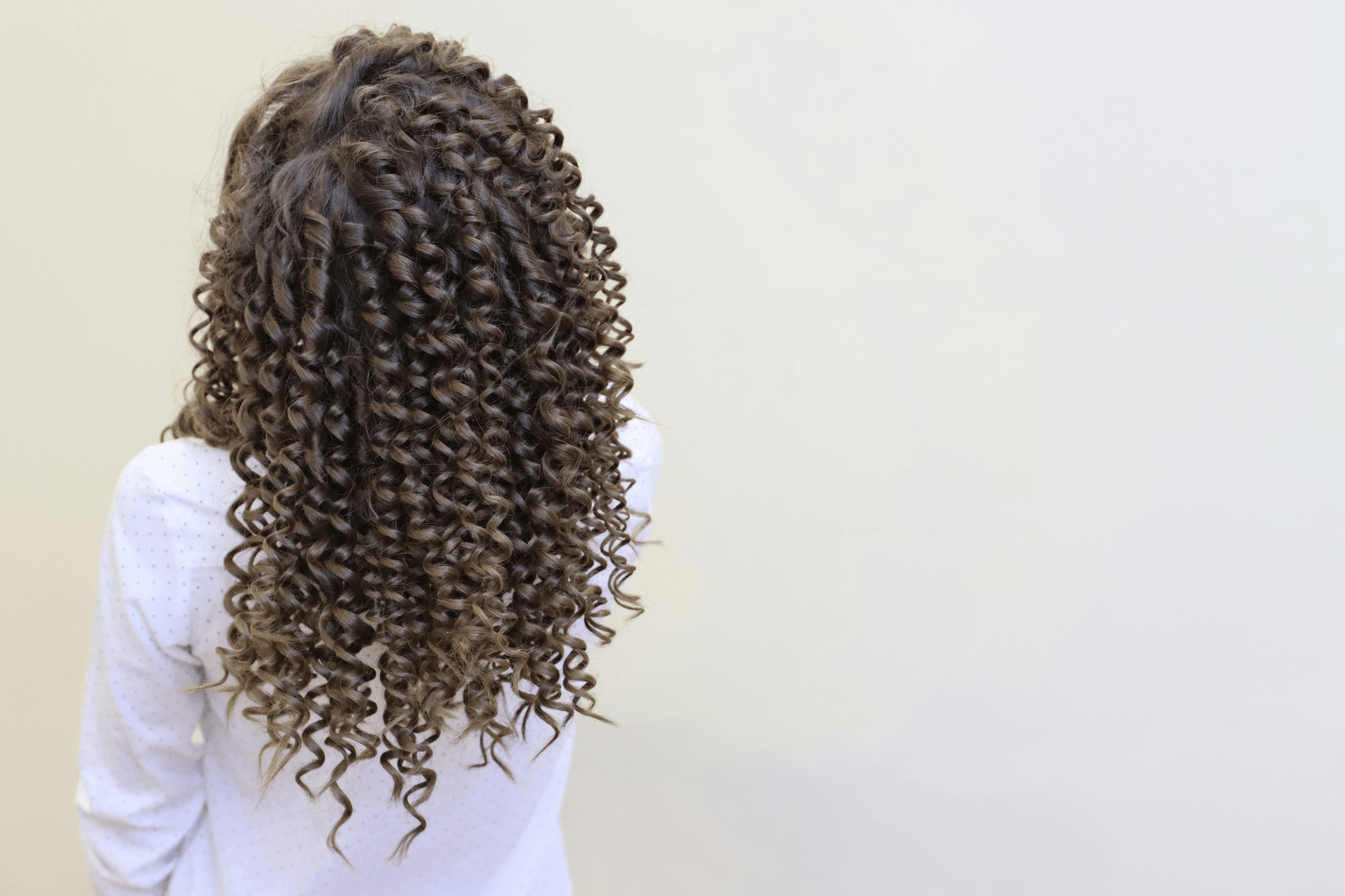
Why Moisture Matters for 4b and 4c Hair
Understanding the difference between 4b and 4c hair is crucial when addressing moisture needs. Both types are prone to dryness because their curl patterns create more bends and twists, making it difficult for sebum (natural oil) from the scalp to reach the ends. This lack of moisture can result in dullness and increased susceptibility to damage, so incorporating a solid moisturizing routine is essential for maintaining healthy natural hair.
Moisture also plays a vital role in enhancing curl definition and elasticity. Well-hydrated coily hair tends to bounce back more readily after manipulation or styling, which minimizes breakage over time. Therefore, prioritizing hydration will not only keep your locks looking fabulous but also encourage growth by reducing stress on your strands.
Best Moisturizing Products for Natural Hair
Finding the right products can make all the difference when it comes to keeping your natural hair moisturized. Look for creams, butters, or oils specifically formulated for type 4 hair that contain ingredients like shea butter, coconut oil, or aloe vera—these are known moisture magnets! Brands that cater specifically to coily textures often offer targeted solutions that address both hydration and nourishment.
Another great option is leave-in conditioners that provide ongoing moisture throughout the day without weighing down your curls. For those with particularly thirsty strands, consider using water-based products as a first step before layering heavier oils or creams on top—this creates a protective barrier while locking in hydration effectively.
Hydration Techniques for Coily Hair
Now that you know why moisture matters and what products work best, let’s dive into some effective hydration techniques tailored specifically for coily hair! One popular method is the LOC (Liquid-Oil-Cream) method; start with a water-based product (liquid), follow up with an oil (to seal in moisture), then finish with a cream (for added nourishment). This trifecta ensures your curls remain hydrated throughout any weather condition.
In addition to product application methods, consider incorporating regular deep conditioning treatments into your routine—aiming for once every week or two weeks depending on your needs will help replenish lost moisture over time. Don't forget about protective styles like braids or twists; they not only keep your ends tucked away but also help retain much-needed hydration while minimizing manipulation.
Wigs as a Protective Style
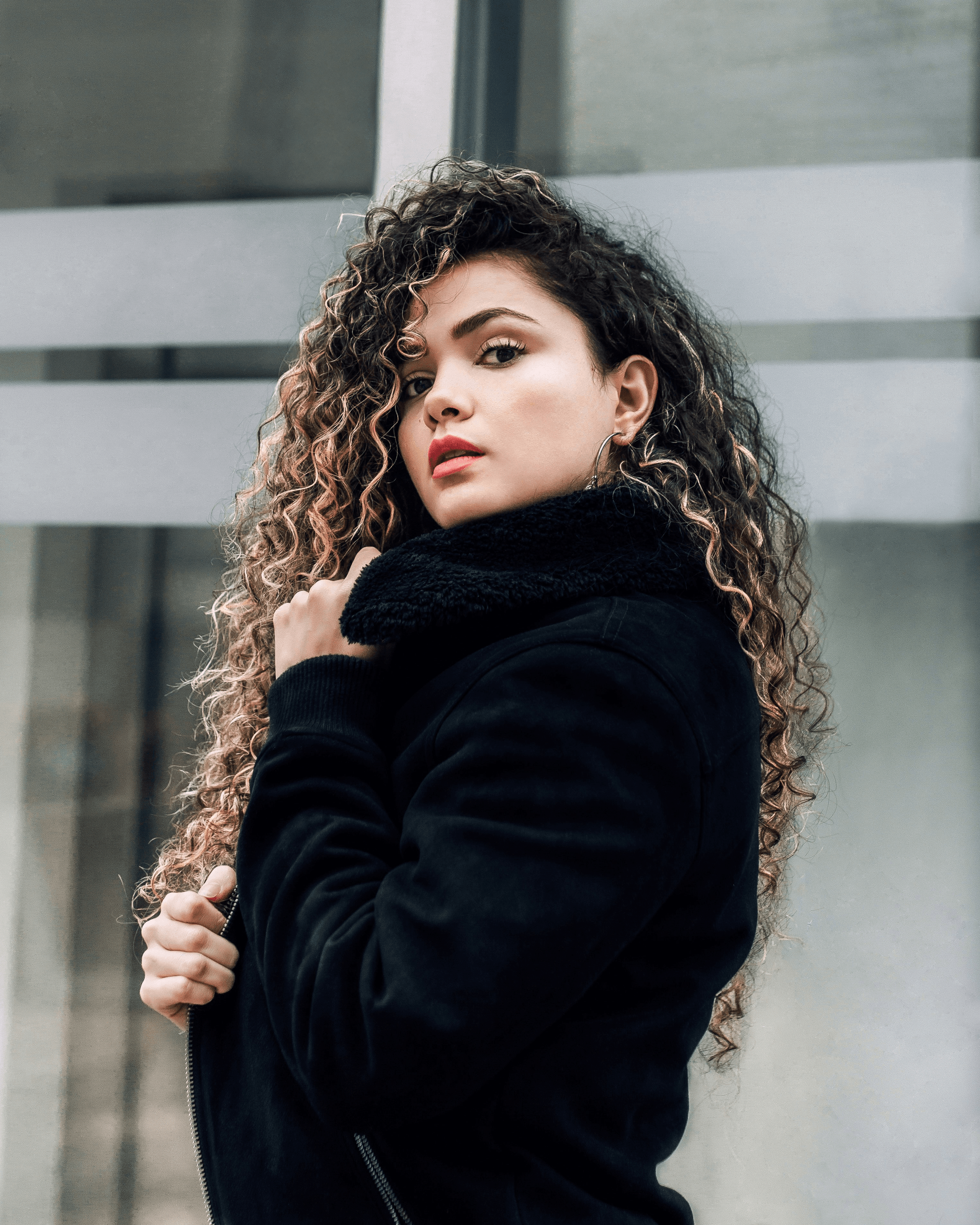
Wigs can be a game-changer for those with 4b and 4c hair, providing not just versatility but also a much-needed break for your natural hair. Wearing wigs allows you to experiment with different styles without manipulating your own curl types too much, reducing the risk of damage. Plus, they can serve as a protective style, shielding your coily hair from everyday stressors like heat and environmental factors.
Benefits of Wearing Wigs for Natural Hair
One of the primary benefits of wearing wigs is that they offer an easy way to protect your natural hair while still looking fabulous. For individuals with type 4 hair, especially those with 4b and 4c textures, wigs allow you to give your curls a break from daily styling routines that can lead to wear and tear. Additionally, wigs can be an excellent solution for transitioning between styles without the commitment of permanent changes, allowing you to embrace various looks while keeping your own curl patterns intact.
Another advantage is that wigs come in various materials and styles that can cater specifically to the needs of coily hair types. Whether you're looking for something lightweight or more luxurious, there’s likely a wig out there that will suit both your aesthetic desires and comfort needs. Furthermore, wearing a wig means less manipulation on your natural strands; this helps maintain moisture levels in your 4b or 4c hair while reducing breakage.
Choosing Comfy Wigs for 4b and 4c Hair
When selecting wigs suitable for 4b and 4c hair types, comfort should be at the top of your priority list. Look for options made from breathable materials so that you don’t end up feeling stifled or overheated—especially important if you live in warmer climates! It’s also wise to choose wigs with adjustable straps or elastic bands; these features ensure a snug fit without pulling on your natural hair excessively.
Consider opting for lace front wigs if you're keen on achieving a more natural look while accommodating different curl types seamlessly. These types allow for versatile styling options while providing an illusion of a natural scalp line—perfect if you're trying to blend with your own texture! Don't forget about density; lighter-density wigs are often better suited for coily textures since they mimic the volume found in naturally curly hairstyles.
Styling Tips for Your Wig
Styling a wig designed for type 4 hair doesn't have to be daunting; it opens up endless possibilities! Start by treating it like you would treat your own curls: use moisturizing products designed specifically for coily textures to keep it looking fresh and vibrant. You can also experiment with different styling techniques such as twisting or braiding sections before putting it on; this adds texture reminiscent of both 4b and 4c characteristics.
Another handy tip is to accessorize! Headbands, scarves, or cute clips can elevate any wig look while helping disguise any telltale signs that you're wearing one—especially great if you're transitioning between looks frequently! Lastly, always remember to take care of both the wig itself and your underlying natural hair; maintaining moisture will keep everything healthy regardless of whether it's under layers of synthetic fibers or proudly displayed in its natural glory.
Conclusion

In wrapping up our exploration of 4b and 4c hair, it’s essential to recognize the unique characteristics that define these curl types. While both are part of the type 4 hair family, the difference between 4b and 4c hair lies in their distinct curl patterns and textures. Understanding these differences can empower you to make informed choices about your natural hair care routine.
Recap of 4b and 4c Hair Characteristics
4b hair is often recognized for its tight, zigzag patterns with a fluffy texture that can shrink significantly when dry. In contrast, 4c hair features a more densely packed curl pattern that may appear less defined but is no less beautiful, offering a unique texture that requires special attention. Both curl types are stunning expressions of natural beauty, showcasing the diversity within coily hair.
Importance of Tailored Hair Care
Tailoring your hair care regimen to address the specific needs of either 4b or 4c hair can lead to healthier locks and enhanced manageability. By understanding the difference between 4b and 4c hair, you can select products and techniques that cater specifically to your unique texture.
Embracing Your Natural Hair Texture
Embracing your natural hair texture is not just about loving what you have; it's about celebrating the rich variety within our curls! Whether you're rocking luscious 4b curls or flaunting fabulous 4c coils, each strand tells a story of resilience and beauty. So go ahead—love your natural locks unapologetically and wear them with pride!