
Introduction
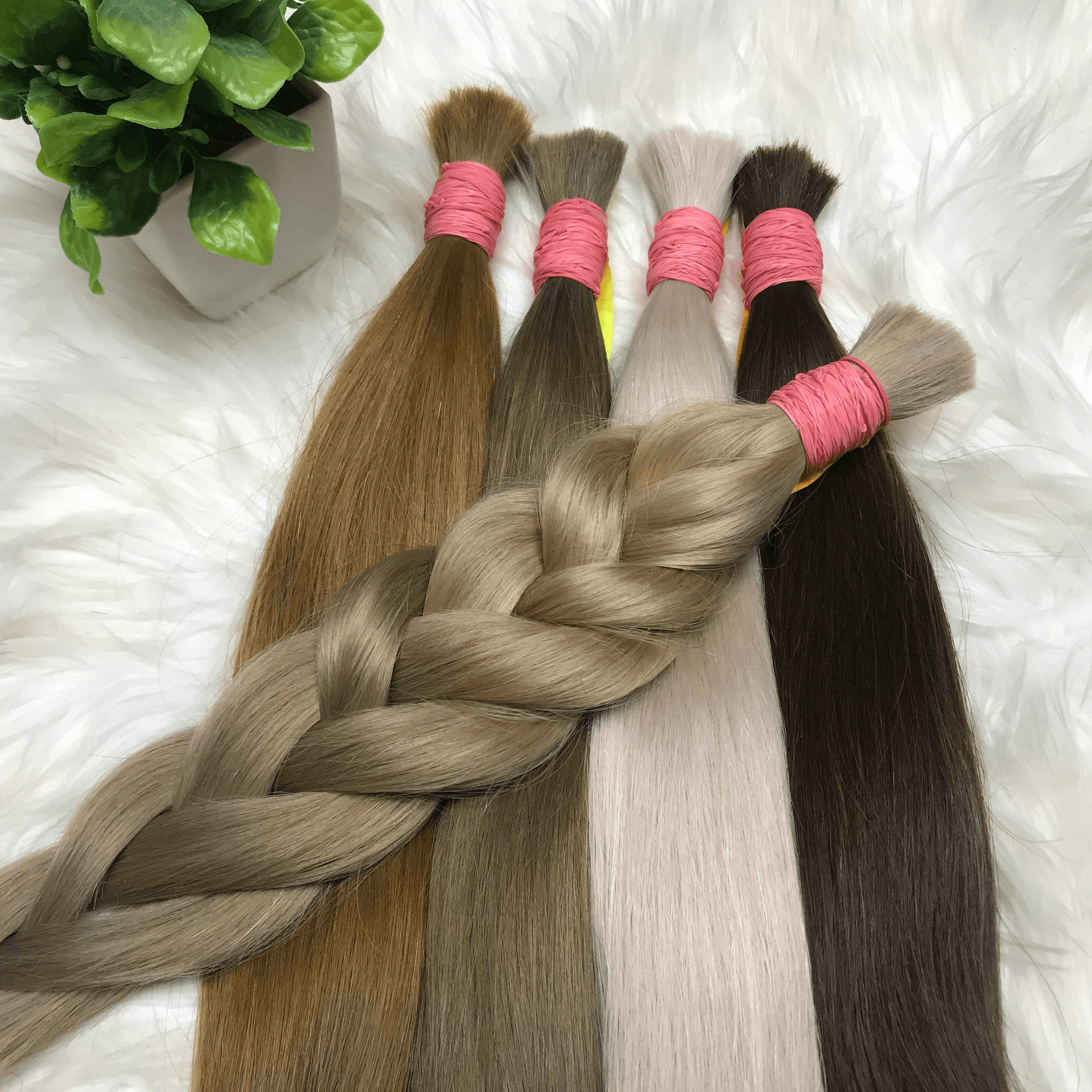
Each type has its own unique characteristics that cater to different preferences and needs, making the decision both exciting and daunting. Understanding the nuances of these options is essential for achieving the perfect look in your braids and hair styles.
Understanding Hair Types in Braids
In the world of braids and hair, knowing your options can elevate your style game significantly. Hair in braids can be crafted from various materials, but human hair vs synthetic hair for braids is often at the forefront of discussions among enthusiasts. The texture, feel, and overall appearance of your chosen braiding hair will impact not only how it looks but also how it behaves over time.
The Appeal of Human Hair
Human hair braiding hair offers an unmatched authenticity that many find irresistible. Its natural look allows for seamless blending with your own locks, giving you a versatile canvas for creativity in styling—whether you're looking to rock a classic plait or something more intricate. Furthermore, human hair can withstand heat styling far better than its synthetic counterpart, making it easier to achieve those desired curls or waves.
Benefits of Synthetic Hair
On the flip side, synthetic options bring their own set of advantages to the table when discussing human hair vs synthetic hair for braids. For starters, synthetic fibers are often more budget-friendly while still offering vibrant colors and textures that can elevate any hairstyle effortlessly. Additionally, maintenance is typically simpler with synthetic options; they usually require less upkeep than human hair while still providing a stunning appearance in various braided styles.
Human Hair vs Synthetic Hair: The Basics

Understanding the fundamental differences between these two types of hair is crucial for anyone interested in braids and hair styling. In this section, we’ll delve into what constitutes human hair, explore the characteristics of synthetic options, and highlight key differences in texture and feel.
What Constitutes Human Hair
Human hair used for braiding typically comes from donors who have willingly provided their locks, ensuring a natural look and feel. This type of hair is prized for its authenticity; it behaves similarly to your own strands, allowing for seamless blending when creating intricate hairstyles like braids or plaits. Moreover, human hair braiding hair can be styled with heat tools just like your natural mane, making it incredibly versatile for various looks.
Characteristics of Synthetic Hair
Synthetic hair has come a long way since its inception and now boasts impressive qualities that make it a popular choice among those exploring braiding options. Made from man-made fibers, synthetic options are often pre-styled to retain their shape even after washing or exposure to humidity—perfect for busy individuals! Additionally, this type of hair is available in an array of colors and styles at budget-friendly prices, making it an attractive option for those looking to experiment with their looks without breaking the bank.
Key Differences in Texture and Feel
When comparing human hair vs synthetic hair for braids, one cannot overlook the stark contrast in texture and feel between these two materials. Human hair tends to have a soft, natural texture that mimics real strands closely; it's also more adaptable when it comes to styling techniques such as curling or straightening. On the other hand, synthetic fibers may feel slightly coarse or plastic-like but offer unique benefits like being lightweight and less prone to frizz—ideal if you’re looking for low-maintenance solutions when styling your braids.
Longevity and Durability
How Long Does Each Type Last
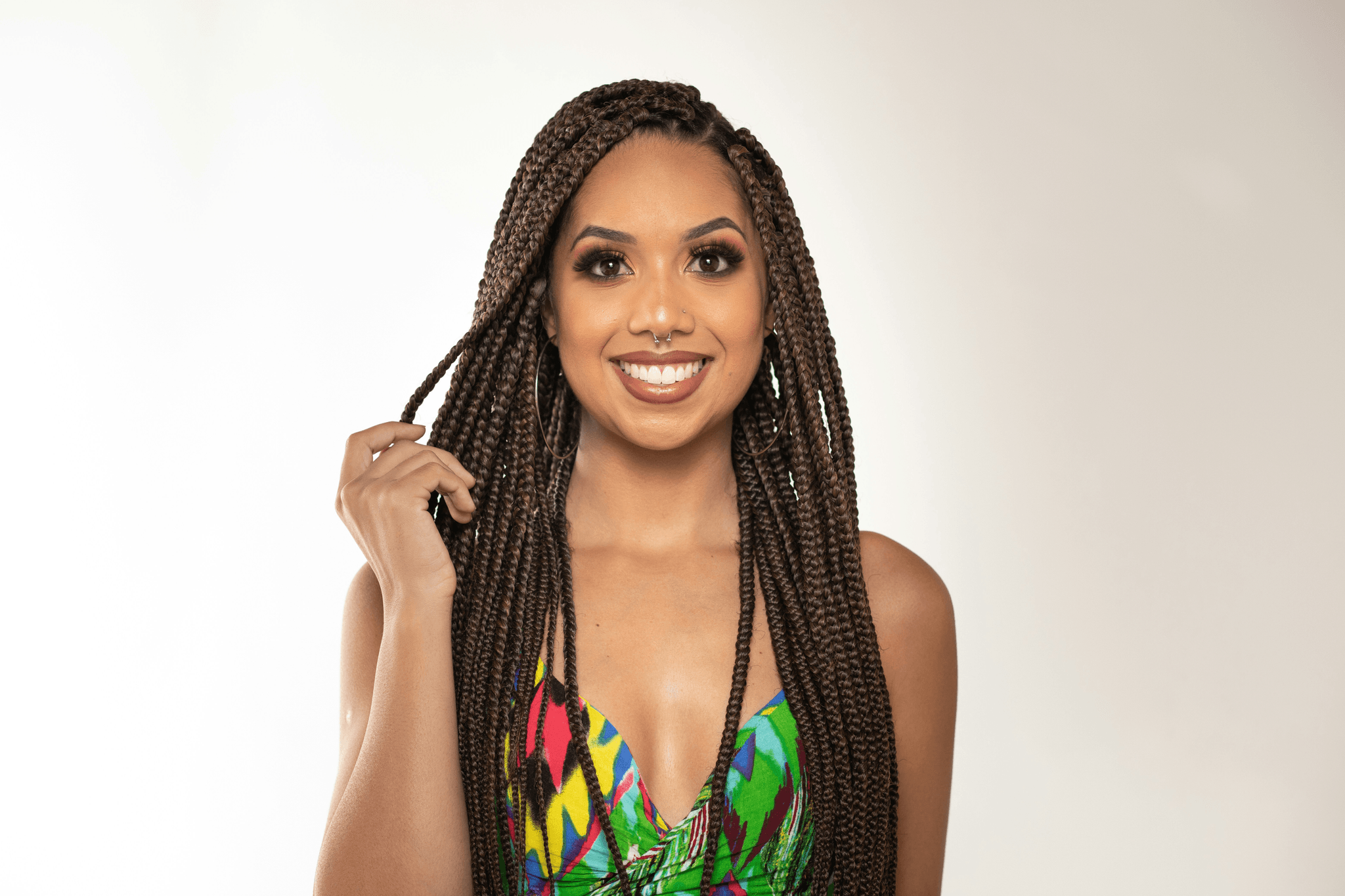
Human hair braiding hair typically outlasts its synthetic counterparts, making it a popular choice for those seeking longevity. With proper care, human hair can last anywhere from six months to a year, or even longer if maintained well. In contrast, synthetic hair usually has a shorter lifespan of about four to six weeks before showing signs of wear and tear.
Maintenance Requirements for Human Hair
When opting for human hair braiding hair, be prepared for a bit more upkeep compared to synthetic options. Regular washing, conditioning, and occasional styling are essential to keep the strands looking fresh and vibrant in your braids. Additionally, using heat protectants is crucial if you plan on styling with heat tools; this helps maintain the quality of the human hair over time.
Care Tips for Synthetic Hair
Caring for synthetic hair requires a different approach since it isn’t as resilient as human strands in terms of maintenance. Avoid using heat styling tools unless specified by the manufacturer; instead, consider gentle brushing and washing with cold water to maintain its appearance in hairstyles like plaits or braids. Always store synthetic options properly—away from direct sunlight—to prevent fading or frizzing that can compromise the look of your beautiful braids.
Cost Comparison: What to Expect

Pricing for Human Hair Products
Human hair products tend to be on the pricier side due to their natural origin and versatility in styling. Prices can range significantly based on quality, length, and texture; premium human hair braiding hair can cost anywhere from $100 to $500 or more per bundle. However, investing in high-quality human hair often pays off in terms of longevity and styling flexibility, making it a worthwhile consideration for those who prioritize durability in their braids.
Budget-Friendly Options in Synthetic Hair
On the flip side, if you're looking for budget-friendly options, synthetic hair is a fantastic choice for creating beautiful braids without breaking the bank. You can find quality synthetic fibers starting as low as $20 per pack, allowing you to experiment with various styles without a hefty investment. Plus, many brands offer vibrant colors and textures that mimic natural looks—perfect for anyone wanting fun and flair in their hairstyles without the commitment of human hair.
Value for Money in Hair Braiding
When weighing human hair vs synthetic hair for braids, consider not just upfront costs but also the value they provide over time. While human hair may require a higher initial investment, its longevity means fewer replacements are needed compared to synthetic options that may wear out faster with regular use. Ultimately, whether you choose human or synthetic options will depend on your personal preferences regarding maintenance costs and how often you plan on changing up your look with different styles of braids and plaits.
Styling Versatility: Explore Your Options
Heat Styling Considerations for Human Hair
Human hair is often the go-to choice for those who love to experiment with heat styling in their braids and hair designs. You can curl, straighten, or blow-dry human hair braiding hair just like your natural locks, giving you endless possibilities in terms of texture and style. However, it's essential to use heat protectants and avoid excessive heat to maintain the integrity of your beautiful strands.
On the flip side, synthetic hair does not respond well to heat; in fact, using hot tools on synthetic fibers can lead to irreversible damage or melting! If you’re set on using synthetic options in your braids and hairstyles, consider styles that don’t require heat—think twists or braided updos that showcase the vibrant colors available in synthetic options. Ultimately, when choosing between human hair vs synthetic hair for braids regarding styling versatility, human hair takes the crown.
Color and Customization in Synthetic Hair
One of the most exciting aspects of working with synthetic hair is its incredible range of colors and customization options available at your fingertips! From vibrant blues and fiery reds to pastel pinks and subtle ombres, there’s no shortage of choices when it comes to adding flair to your braids and hairstyles with synthetic materials. Plus, because these colors are woven into the fibers during production, they tend to stay vibrant longer without fading.
In contrast, while human hair can be dyed and styled just like natural locks—allowing you more control over color—you may find it harder (and sometimes more expensive) to achieve those bold shades without damaging the strands. If you're looking for something temporary or want a fun change without commitment, opting for colorful synthetic options might be the way forward when exploring creative hairstyles. The world of color opens up exciting possibilities within both realms; however, if vivid hues are on your wishlist for this season's braid styles—synthetic is likely where you'll find what you need!
Creative Braiding Techniques
Human hair allows for intricate plaits that mimic natural movement beautifully; think fishtails or Dutch braids that flow seamlessly into one another while maintaining an elegant finish. These techniques work especially well with human hair braiding because they offer a realistic look that complements any outfit.
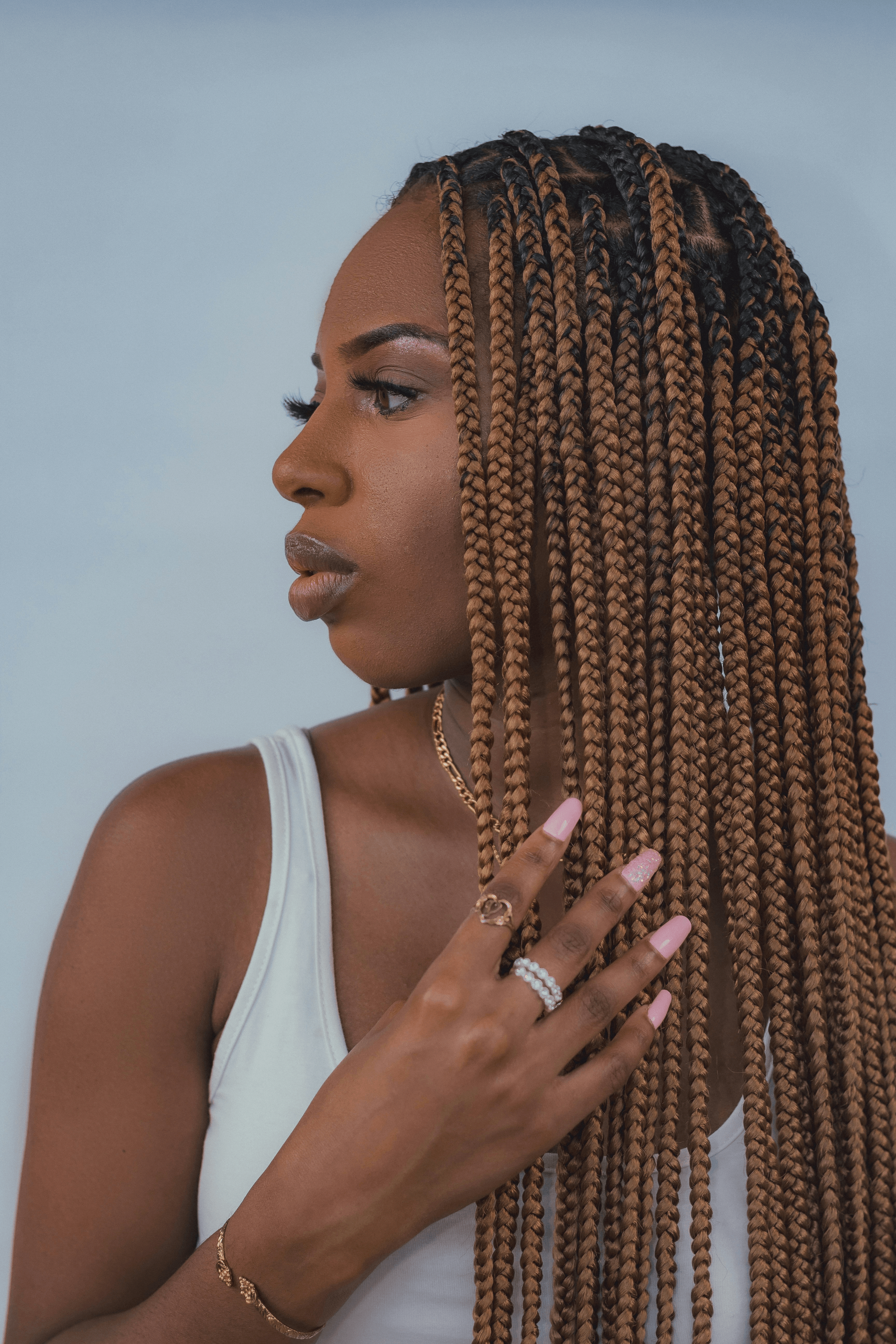
On the other hand, if you're diving into bold patterns using colorful strands found in synthetic options—get ready for some eye-catching styles! Techniques such as box braids or lemonade braids can take full advantage of bright hues while providing texture that's fun yet manageable at any length desired. Regardless of which type you choose when considering all things related to hairstyling versatility within hair in braids, both avenues offer unique opportunities worth exploring!
Health and Comfort: What You Need to Know
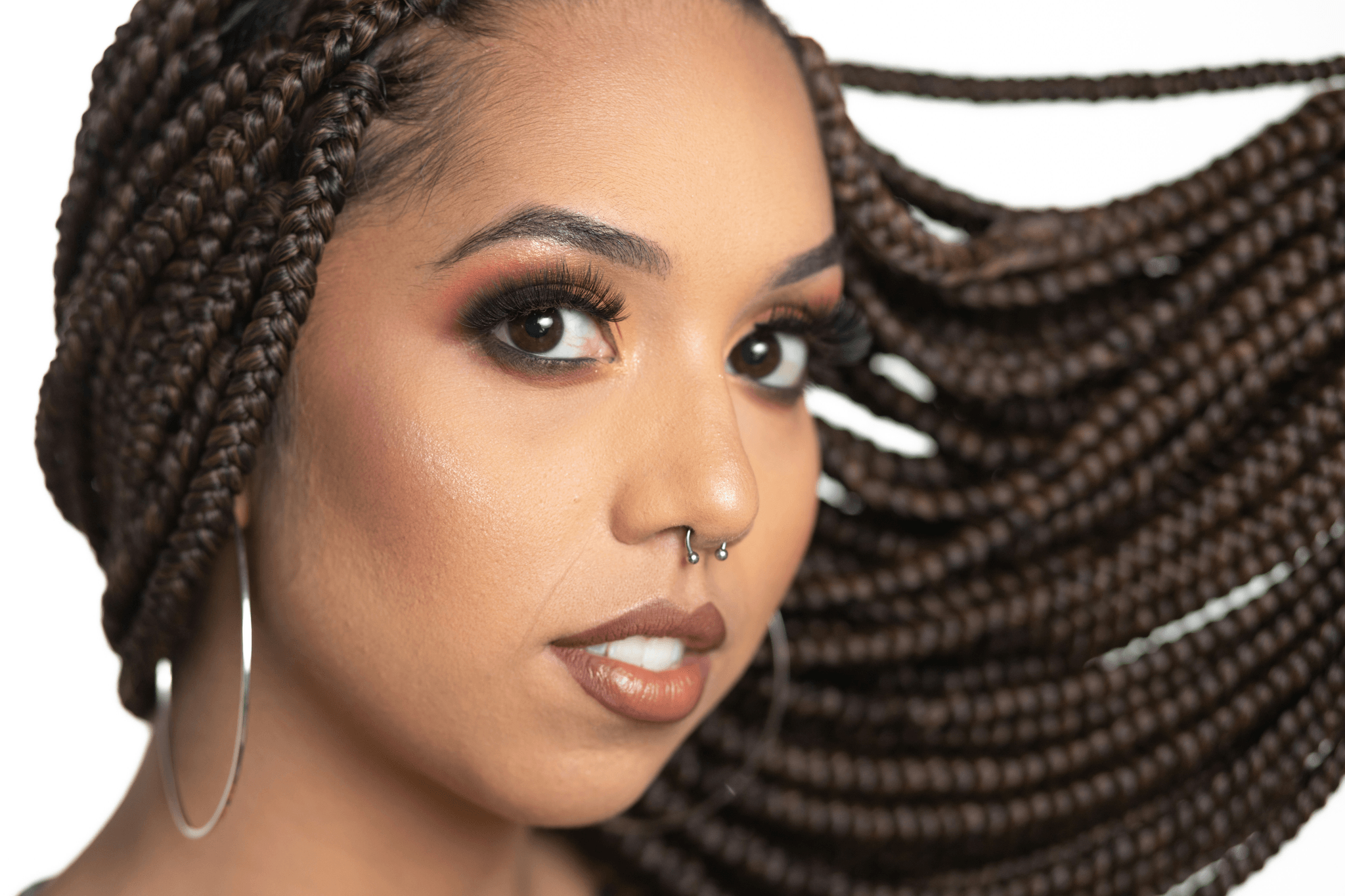
When diving into the world of hair braiding, understanding the health and comfort aspects of human hair vs synthetic hair for braids is essential. The right choice can make a significant difference in your overall experience, from how your scalp feels to how long you can wear those fabulous styles without discomfort. Let's break down the key components that contribute to a comfortable braiding experience.
Scalability and Breathability of Human Hair
Human hair braiding hair stands out for its natural scalability and breathability, making it a popular choice among braid enthusiasts. Unlike synthetic options, which can sometimes feel stifling or heavy on the scalp, human hair allows for better airflow, reducing sweat buildup during long wear. This breathability means that when you're rocking those intricate styles or simple plaits, you can enjoy them without feeling overheated or uncomfortable.
Potential Allergies with Synthetic Options
While synthetic hair offers budget-friendly options for those looking to experiment with different styles, it’s important to consider potential allergies associated with these materials. Some individuals may experience irritation or allergic reactions due to the chemicals used in synthetic fibers, leading to an uncomfortable experience when wearing braids and hair extensions. If you're sensitive to certain materials, opting for human hair braiding hair might be the safer bet for your health and comfort.
Comfort Level in Long-Term Wear
Comfort level is crucial when choosing between human hair vs synthetic hair for braids; after all, nobody wants their stunning hairstyle to become a source of pain! Human hair typically feels softer against the skin and mimics the natural movement of your own locks, providing a more comfortable fit over extended periods. On the other hand, while some high-quality synthetic options have improved in comfort over time, they may still lack that luxurious feel that comes with real human strands—making them less ideal if you're planning on sporting your new 'do all day long.
Conclusion
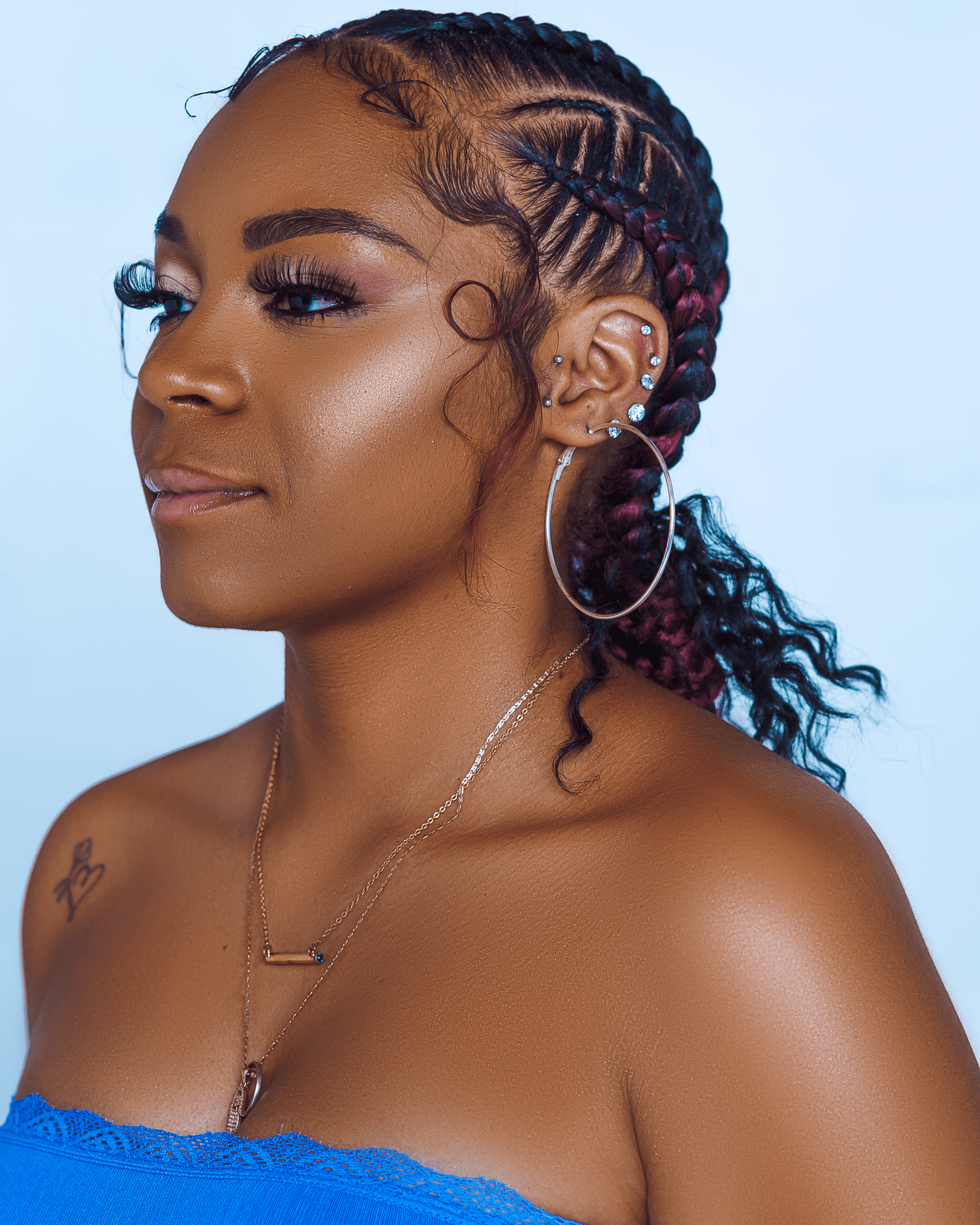
In the world of hair braiding, the choice between human hair and synthetic hair can feel overwhelming. Understanding the nuances of human hair vs synthetic hair for braids is crucial in making an informed decision that suits your style and needs. Whether you’re looking for durability, versatility, or comfort, there’s a perfect option waiting for you.
Choosing the Right Hair for Your Needs
When deciding on braids and hair, consider your lifestyle and how much maintenance you're willing to commit to. Human hair braiding hair offers a realistic look with the ability to withstand heat styling, but it requires regular upkeep to maintain its luster. On the other hand, if you're after convenience with minimal effort, synthetic options might be your best bet—just remember they have their own unique charm!
Enhancing Your Look with Comfy Wigs
Wigs made from human hair or high-quality synthetic materials can elevate your hairstyle game significantly. With comfy wigs available in various styles and colors, you can easily switch up your look without committing to a long-term change in your natural hair. Whether you choose human or synthetic options for wigs, they both provide exciting ways to explore different textures and styles while keeping comfort at the forefront.
Finding Balance in Hair Braiding Choices
Ultimately, finding balance in hair braiding choices involves weighing factors like cost, longevity, and styling versatility against personal preferences. As you navigate through human hair vs synthetic hair for braids, remember that each type has its strengths—human hair offers realism while synthetic provides affordability and ease of maintenance. Embrace what works best for you; after all, it's all about feeling fabulous with those stunning plaits!