
Introduction

Wig making is an intricate art that has captivated many, offering a blend of creativity and craftsmanship. Understanding the basics of wig making involves delving into various types of wig making methods, each with its unique features and benefits. From the classic hand-tied techniques to modern machine-made options, the world of wigs is both diverse and fascinating.
Understanding the Basics of Wig Making
At its core, wig making is about creating a headpiece that enhances beauty and boosts confidence. What are the methods of wig making? This question opens up a treasure trove of information about different construction techniques, materials used, and styles available for every occasion. Whether you're looking for something stylish or practical, understanding these basics will help you navigate your choices.
The Importance of Wig Construction
Wig construction is not just about aesthetics; it plays a crucial role in comfort and durability. What are the two main wig construction methods? Knowing these methods can significantly influence your selection process when choosing a wig that fits your lifestyle and needs. A well-constructed wig can make all the difference in how natural it looks and feels on your head.
Exploring Popular Wig Styles
With so many options available, exploring popular wig styles becomes an exciting journey. From chic bob cuts to long flowing locks, what different types of wigs are there? Each style offers something unique—whether it's versatility for everyday wear or glamour for special occasions—ensuring there's a perfect match for everyone’s taste.
Different Types of Wig Making

When diving into the world of wig making, it's essential to understand the various techniques that define this craft. Each method offers unique benefits and caters to different needs, ensuring there's something for everyone. From hand-tied masterpieces to machine-made wonders, let's explore the types of wig making and what they bring to the table.
Hand-Tied Wigs Explained
Hand-tied wigs are a labor of love, crafted with precision and care by skilled artisans. This method involves individually knotting each hair strand onto a breathable lace base, resulting in a natural look that mimics real hair growth. What are the methods of wig making? Hand-tied wigs stand out for their flexibility and comfort, allowing for versatile styling options without compromising on realism.
One significant advantage of hand-tied wigs is their ability to conform to the scalp's shape, providing a snug fit that feels like second skin. Additionally, these wigs are often lighter than machine-made counterparts, making them ideal for extended wear. For those seeking authenticity in their wig experience, hand-tied construction is undoubtedly one of the best types of wig making available.
Machine-Made Wigs Overview
Machine-made wigs offer a more efficient approach to wig production while still delivering quality results. These wigs are constructed using industrial sewing machines that weave hair strands into wefts attached to a cap structure. The question arises: what different types of wigs are there? Machine-made options typically cater to those looking for affordability and ease of use without sacrificing style.
One notable feature is that machine-made wigs can be produced quickly in various styles and colors, catering to fashion-forward individuals or those needing an instant change-up in their look. They also tend to be sturdier than hand-tied varieties due to their construction techniques, which can be advantageous for everyday wearers or those new to the world of wigs. In short, machine-made wigs represent another fascinating facet within the realm of types of wig making.
Lace Front Wigs Benefits
Lace front wigs have revolutionized how we perceive wig-wearing by offering an incredibly realistic appearance at the hairline while maintaining versatility in styling options. The front section features lace material that blends seamlessly with your skin tone, creating an illusion as if hair is growing directly from your scalp—truly an art form!
Another perk is that lace front wigs can be combined with other techniques like hand-tying or machine-making for enhanced durability and aesthetics—talk about innovation! They also come in both synthetic and human hair variations catering to diverse preferences among users; thus answering: what different types of wigs are there? With all these benefits combined into one stylish package, lace front wigs exemplify just how far we've come in understanding what is the art of wig making called!
What are the Methods of Wig Making?

When it comes to wig making, understanding the different methods is essential for achieving the desired look and functionality. The art of wig making is a blend of creativity and technical skill, which allows for a variety of styles and constructions. In this section, we’ll dive into some key techniques that define how wigs are made, including wefting, bonding, and customization through ventilation.
Wefting Techniques for Durability
Wefting is one of the most popular methods in wig making due to its durability and versatility. This technique involves sewing or gluing strands of hair onto a strip or weft, creating a foundation that can withstand daily wear. Not only does wefting provide strength to wigs, but it also allows for various styles—whether you’re looking for volume or sleekness—making it one of the cornerstone types of wig making.
The process begins with selecting high-quality hair strands that are then sewn together in rows or attached using adhesive methods. This ensures that each strand remains secure while allowing for natural movement and flow. By mastering wefting techniques, wig makers can create pieces that last longer and maintain their beauty over time.
The Role of Bonding in Construction
Bonding plays a crucial role in the construction of wigs by ensuring that hair strands adhere securely to their base material. This method often involves using adhesives specifically designed for wig making, which can provide a seamless look while allowing flexibility in styling options. Understanding what different types of wigs are there requires recognizing how bonding contributes to overall durability and aesthetic appeal.
There are various bonding agents available on the market today—ranging from temporary sprays to more permanent solutions—that cater to different needs and preferences. The choice often depends on factors such as skin sensitivity, desired wear time, and personal style choices. With effective bonding techniques, wig makers can achieve both comfort and longevity in their creations.
Customization Through Ventilation
Customization through ventilation is where artistry truly shines in the world of wig making. This method involves individually hand-tying hair strands into a lace cap or base material to create an incredibly natural appearance—perfectly mimicking how hair grows from the scalp! For those curious about what are the two main wig construction methods? Ventilation certainly stands out as an intricate approach favored by many experienced artisans.
This meticulous technique not only enhances realism but also allows for personalized styling options tailored specifically to individual preferences or needs. By ventilating hair into specific patterns or densities, wig makers can offer clients unique looks that reflect their personality while ensuring comfort during wear. Ultimately, this level of customization elevates the art of wig making into something truly special.
What Different Types of Wigs Are There?

When diving into the world of wigs, it’s essential to understand the various types available. Each type serves a unique purpose and appeals to different preferences, making wig shopping an exciting adventure. From synthetic options to human hair masterpieces, the types of wig making are as diverse as the individuals who wear them.
Synthetic vs. Human Hair Wigs
Synthetic wigs are often favored for their affordability and low maintenance, making them a popular choice among newcomers to wig wearing. These wigs are made from man-made fibers that can mimic natural hair but may not withstand heat styling as well as their human hair counterparts. On the other hand, human hair wigs offer unparalleled realism and versatility, allowing for styling just like natural hair—perfect for those who want a more authentic look.
When considering what different types of wigs are there, it’s crucial to weigh the pros and cons of each option. Synthetic wigs come in a variety of styles and colors but may not last as long as human hair wigs with proper care. Meanwhile, human hair options can be styled with heat tools but typically come at a higher price point; thus understanding these differences is key in choosing your ideal headpiece.
Specialty Wigs for Medical Needs
For those experiencing medical-related hair loss due to conditions like alopecia or chemotherapy treatments, specialty wigs provide an essential solution that combines comfort and style. These wigs are designed with sensitive scalps in mind, often featuring softer materials and adjustable fittings for maximum comfort during wear. Many brands also offer customization options tailored specifically for medical needs, allowing individuals to regain confidence while embracing their unique style.
The methods of wig making used for these specialty designs often prioritize lightweight materials that don’t irritate sensitive skin; this is where craftsmanship truly shines in what is known as the art of wig making called “wig artistry.” Additionally, many specialty wigs come in both synthetic and human hair variations so users can choose based on their lifestyle needs—whether they prefer something easy-care or more luxurious.
Fashion Wigs for Everyday Style
Fashion wigs serve an entirely different purpose: they’re all about fun! These colorful creations allow wearers to experiment with looks without committing to permanent changes—think bold colors or dramatic lengths that may not suit everyday life but are perfect for special occasions or simply switching things up on a whim. With countless styles available—from sleek bobs to voluminous curls—fashion wigs cater to every personality.
In exploring what different types of wigs are there within this category, you’ll find endless opportunities for self-expression through playful designs and trendy cuts that reflect current fashion trends. The versatility found in fashion wig choices means you can easily transform your appearance without any long-term commitment—a delightful aspect when considering types of wig making!
What Are the Two Main Wig Construction Methods?
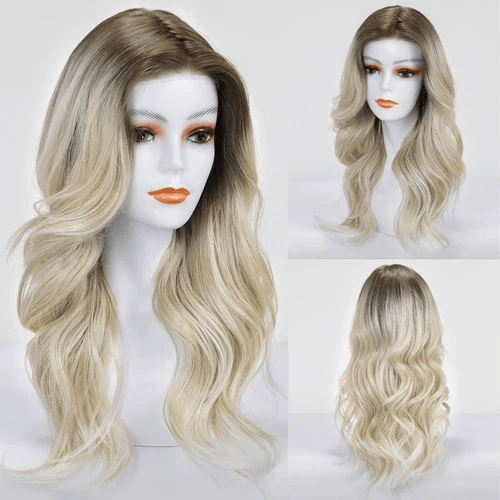
When it comes to the world of wig making, understanding the different construction methods is crucial. The two primary types of wig construction—capless and full lace—offer distinct advantages that cater to various needs and preferences. These methods not only influence comfort and realism but also play a significant role in how wigs are styled and maintained.
Capless Wigs and Their Advantages
Capless wigs are a popular choice among wig wearers, primarily due to their lightweight design. They feature an open wefting system that allows for better airflow, making them more breathable, especially in warmer climates. Additionally, capless wigs tend to be more affordable compared to other types of wig making, making them an accessible option for many.
The ease of wear is another significant advantage; capless wigs can be quickly put on and adjusted without complicated fitting processes. This convenience makes them ideal for everyday use or for those new to wearing wigs. Furthermore, their versatility allows for various styling options while still maintaining comfort throughout the day.
Full Lace Wigs for Realism
On the other end of the spectrum are full lace wigs, renowned for their incredible realism and natural appearance. These wigs feature a lace base that covers the entire scalp area, allowing for versatile parting options and a seamless look that mimics natural hair growth. With full lace wigs, wearers can style their hair in numerous ways—from high ponytails to intricate updos—without revealing any wig lines.
One of the key benefits of full lace construction lies in its ability to provide a secure fit while remaining comfortable against the scalp. This method often uses human hair or high-quality synthetic fibers that enhance both aesthetics and durability—perfect for those who prioritize authenticity in their look. For individuals seeking specialized solutions in terms of style or medical needs, full lace wigs often emerge as top contenders.
Comparison: Cap Construction Techniques
When comparing capless and full lace constructions within what are the two main wig construction methods?, it's essential to consider factors like comfort, price point, and styling flexibility. Capless wigs excel in breathability and affordability but may lack some styling versatility found in full lace options; however, they still offer ample room for creativity with everyday looks. On the flip side, while full lace wigs provide unmatched realism with endless styling possibilities, they typically come at a higher price tag.
Moreover, maintenance varies significantly between these types of wig making; capless styles require less care due to simpler structures than full lace counterparts which may need careful handling during washing or styling sessions. Ultimately, your choice will depend on personal preference regarding comfort versus realism as well as your intended use—be it casual wear or special occasions where you want your hair game at its peak!
The Art of Wig Making

The art of wig making is a fascinating blend of creativity and technical skill, transforming strands of hair into wearable masterpieces. This craft not only requires an understanding of the different types of wig making but also a keen eye for detail and design. As we explore the craftsmanship behind comfy wigs, industry innovations, and the future trends in wig design, it becomes clear that this art form is ever-evolving.
Craftsmanship Behind Comfy Wigs
Craftsmanship in wig making goes beyond mere assembly; it's about creating a comfortable experience for the wearer. Skilled artisans employ various methods to ensure that every wig fits snugly while allowing for natural movement and breathability. Understanding what different types of wigs are there can help consumers appreciate the intricate work involved in producing high-quality pieces that cater to diverse needs.
Human hair wigs often mimic natural hair's texture and movement, while synthetic options can be more affordable yet still stylish. Regardless of the type chosen, each piece reflects meticulous craftsmanship that speaks volumes about what is possible in the realm of wig making.
Industry Innovations in Wig Design
The world of wig making is buzzing with innovation as new technologies emerge to enhance both functionality and aesthetics. Modern techniques have revolutionized how we think about styles—what are the methods of wig making? From advanced weaving techniques to heat-resistant fibers, these innovations allow for greater versatility in styling options.
Moreover, digital tools have made customization more accessible than ever before. Virtual try-on apps let customers see how different styles look on them before purchasing—a game-changer for those exploring what different types of wigs are there! With these advancements, consumers no longer need to compromise on style or comfort when choosing their perfect fit.
The Future of Wig Making Styles
Looking ahead, the future of wig making styles promises even more exciting developments as designers push boundaries and embrace sustainability. Eco-friendly materials are becoming increasingly popular among manufacturers who aim to reduce their environmental impact while providing quality products. As awareness grows around what are the two main wig construction methods—capless and full lace—designers will likely innovate within these frameworks to create even more realistic options.
Additionally, personalization will continue to take center stage as consumers demand unique solutions tailored specifically for them. The art of wig making called “ventilation” allows skilled artisans to customize each piece meticulously by hand-tying individual strands into a base cap; this technique provides unparalleled realism and style flexibility! With ongoing advancements in technology and artistry combined with consumer-driven demands, there's no telling where this vibrant industry will go next.
Conclusion

In the ever-evolving world of wigs, understanding the various types of wig making can feel like a daunting task. However, with a little guidance, navigating through the styles and methods becomes an enjoyable journey rather than a chore. From hand-tied to machine-made options, there’s something for everyone in this vibrant realm.
Navigating the World of Wig Styles
When it comes to exploring what different types of wigs are there, the choices can be overwhelming yet exciting. Each style offers its own unique flair and functionality, catering to diverse preferences and needs. Whether you're looking for a chic bob or long flowing locks, knowing your options can help you find the perfect match.
Choosing the Right Construction Method
Understanding what are the two main wig construction methods is essential for selecting your ideal wig. Capless wigs offer breathability while full lace wigs provide an unparalleled natural look; both have their own set of advantages that cater to different lifestyles and aesthetics. By considering your daily routine and personal style, you can make an informed decision that ensures comfort and confidence.
Finding Your Perfect Wig with Comfy Wigs
Ultimately, discovering what is the art of wig making called leads you to appreciate craftsmanship in every piece you try on. Comfy Wigs specializes in blending artistry with comfort, offering a range of options that reflect both quality and style. With their expert guidance on types of wig making and personalized fittings, finding your perfect wig becomes not just easy but also enjoyable.