
Introduction
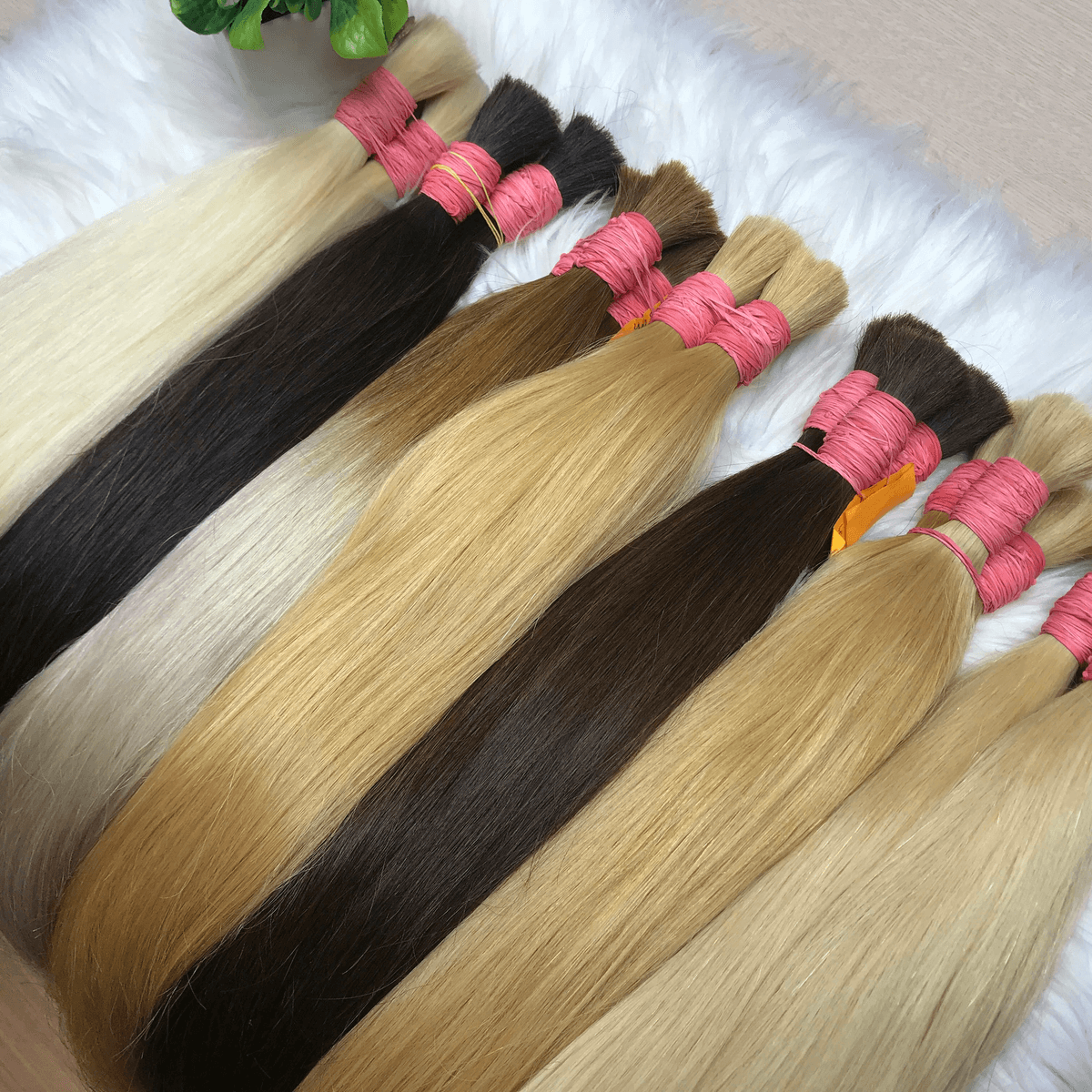
Wigs have become a popular fashion statement and a practical solution for many seeking to change their look or manage hair loss. With an array of types of wig making techniques available, understanding these methods is essential in finding the perfect fit for your lifestyle and aesthetic preferences. From the highest rated human hair toppers to synthetic options, each type offers unique benefits that cater to different needs.
Understanding Different Wig Making Techniques
When diving into the world of wigs, it's crucial to grasp the various types of wig making techniques that exist. Traditional hand-knotting, machine-made wigs, and hybrid approaches each have their own charm and functionality. Knowing these differences can help you select the right wig that complements your style while ensuring comfort and durability.
Finding the Right Wig for You
Finding the right wig can feel overwhelming with so many choices available in the market today, including wholesale hair extensions NYC options and custom designs tailored just for you. Factors like your natural hair texture—whether you're dealing with 4B or 4C hair—should influence your decision on which wig suits you best. Additionally, understanding how long does wig tape last can be vital in maintaining your chosen look, ensuring you feel confident every day.
Importance of Quality in Wig Making
Investing in high-quality materials not only enhances durability but also ensures a more natural look—think about how much better those highest rated human hair toppers can elevate your style compared to cheaper alternatives. Remember that choosing between a wig and toupee hinges on personal preference; knowing their differences will help guide you toward the best hair extension method for thin hair.
Overview of Wig Making Techniques
Traditional Hand-Tying Methods
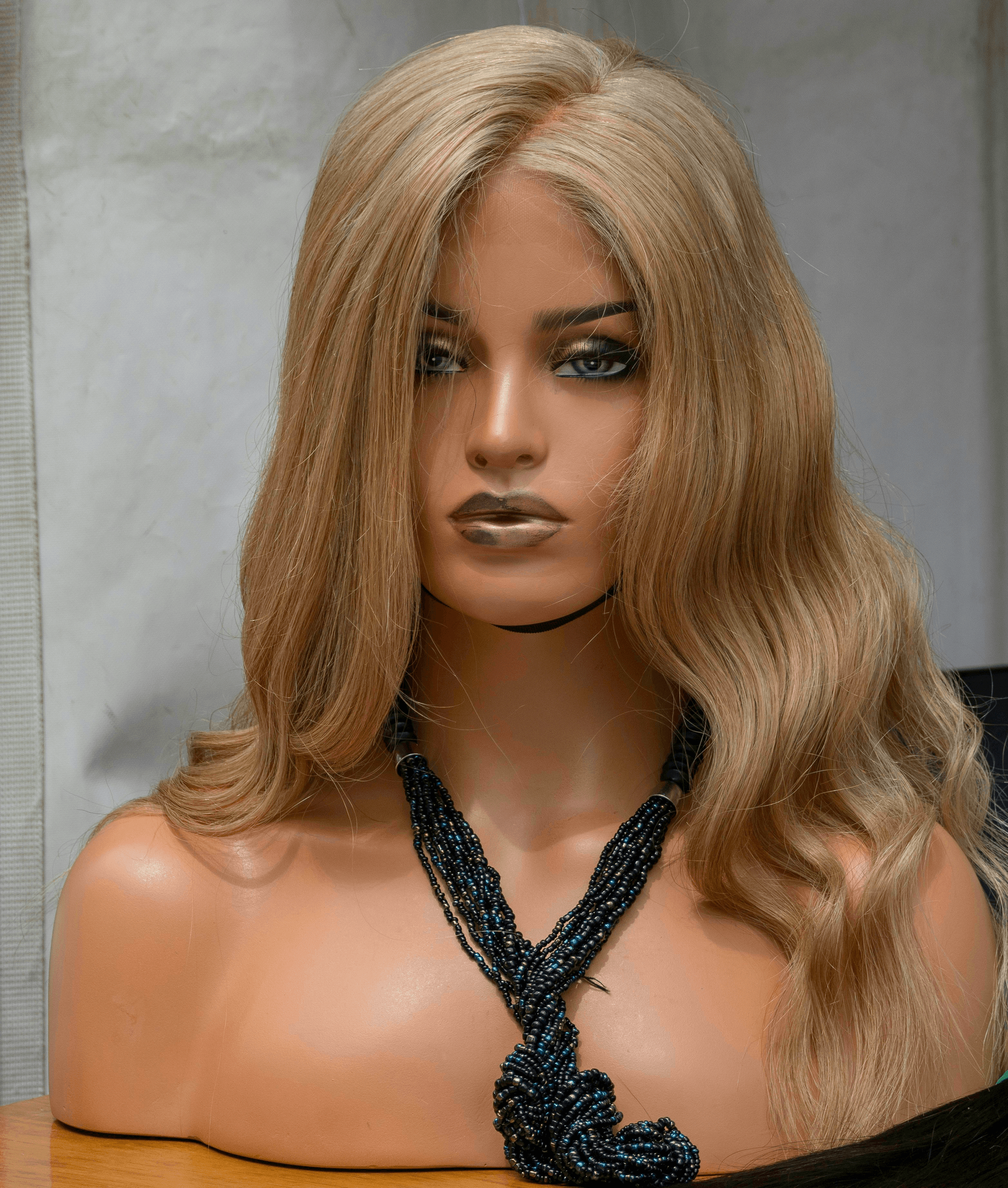
Traditional hand-tying methods involve a meticulous process where individual strands of hair are tied onto a lace or mesh base by skilled artisans. This technique allows for an incredibly natural look and feel, making it a favorite among those who prioritize realism in their wigs. The beauty of this method lies in its versatility; you can achieve styles that cater specifically to your needs, whether you're looking for the highest rated human hair toppers or something more customized.
Hand-knotting also offers unparalleled comfort, especially for those with sensitive scalps or thin hair. The soft lace base allows for breathability while providing a secure fit without the need for harsh adhesives or wig tape—perfect if you're wondering how long does wig tape last! If you're someone who values quality and is willing to invest time and money into your wig, then traditional hand-tying might just be your best bet.
Machine-Made Wigs
On the other end of the spectrum are machine-made wigs, which have gained immense popularity due to their affordability and ease of use. These wigs are produced using advanced machinery that weaves hair strands into a cap quickly and efficiently—ideal if you're looking to purchase wholesale hair extensions NYC style! While they may not offer the same level of customization as hand-tied options, many brands provide an array of styles that suit various preferences.
One significant advantage is their durability; machine-made wigs often withstand regular wear better than their hand-tied counterparts. They also come pre-styled and ready to wear right out of the box—no fuss involved! However, it's essential to remember that while these wigs may be budget-friendly, they still require proper care; following care tips ensures longevity so you can enjoy them fully.
The Hybrid Approach
The hybrid approach marries both traditional hand-tying methods with machine-made efficiency, creating a versatile option that caters to diverse needs. This technique combines elements from both worlds: you get some customizability along with quicker production times without sacrificing too much on quality. For those exploring options like selling bundles of hair or considering different textures such as 4B vs 4C hair types, this could be an ideal route.
Hybrid wigs often utilize machine-made bases with strategically placed hand-tied sections for added realism where it counts most—like around the front hairline for natural movement! It's perfect if you're trying to find that sweet spot between comfort and aesthetics while ensuring you have options tailored specifically for thin hair types too. Overall, this innovative approach opens up new avenues in wig-making techniques worth exploring!
Detailed Look at Hand-Knotting
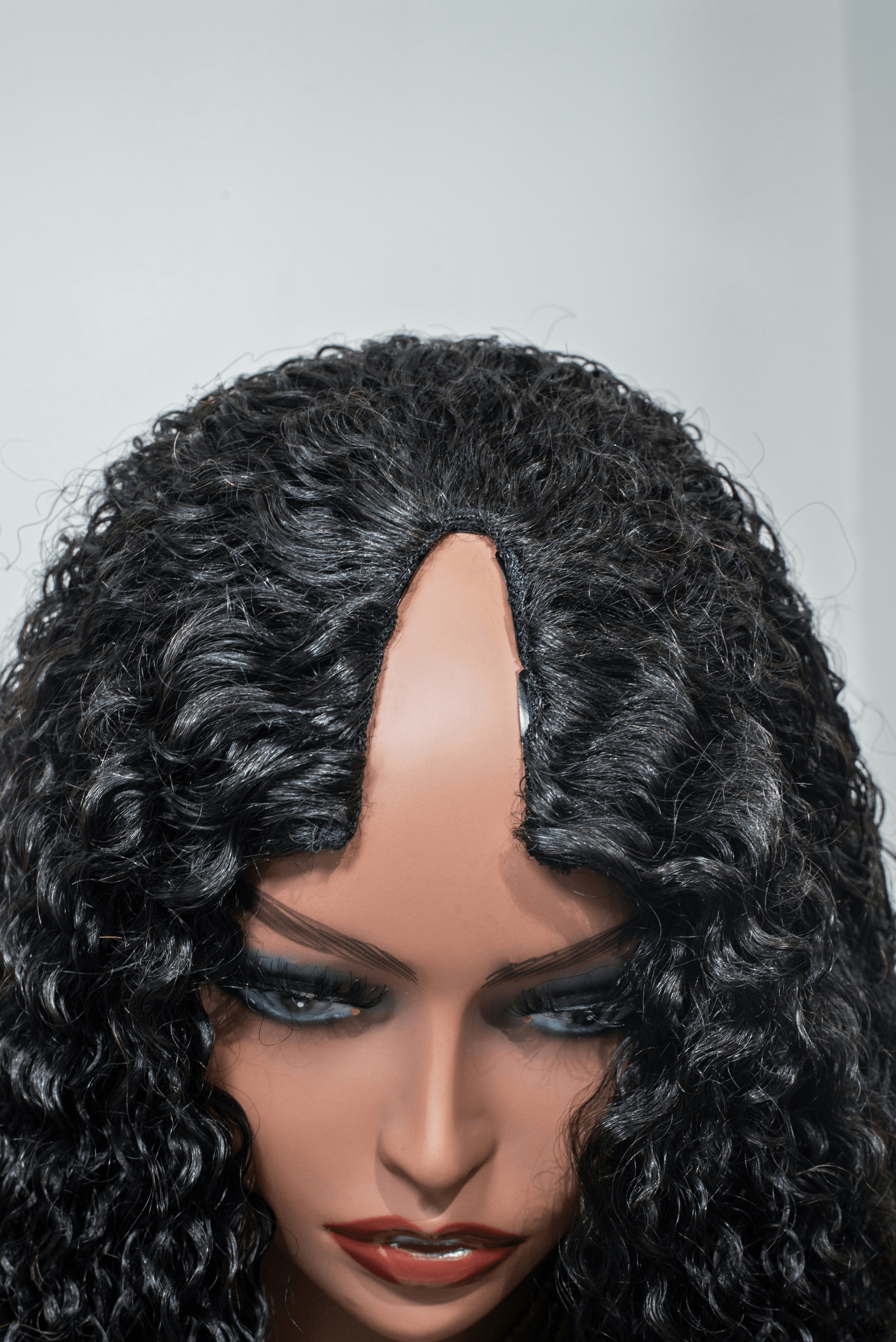
Hand-knotting is a meticulous wig-making technique that has gained popularity for its natural look and feel. This process involves tying each strand of hair individually to the base, resulting in a lightweight and breathable wig that moves with you. For those seeking the highest rated human hair toppers, hand-knotted wigs often deliver unparalleled quality and realism.
Benefits of Hand-Knotting
One of the standout benefits of hand-knotting is its versatility; it allows for a wide range of styles and textures, catering to various preferences. This technique also promotes comfort, making it an ideal choice for individuals with sensitive scalps or those looking for the best hair extension method for thin hair. Additionally, hand-knotted wigs typically offer superior ventilation compared to their machine-made counterparts, ensuring your scalp stays cool even on warm days.
Comfy Wigs and Hand-Knotted Wigs
When discussing comfy wigs, hand-knotted options often top the list due to their lightweight construction and soft feel against the skin. These wigs are designed to fit snugly without causing irritation, making them perfect for all-day wear. Many customers who have explored selling bundles of hair find that investing in hand-knotted wigs results in a more comfortable experience compared to traditional machine-made alternatives.
How Hand-Knotting Impacts Appearance
The impact of hand-knotting on appearance is significant; this technique allows each strand to pivot freely, mimicking natural hair movement beautifully. When comparing types of wig making, it's clear that hand-knotting provides a more realistic look than many mass-produced options available today. Furthermore, understanding the difference between 4B and 4C hair can help you choose the right texture when selecting your custom hand-knotted wig—ensuring it blends seamlessly with your natural locks.
Exploring Machine-Made Wigs
Machine-made wigs have gained immense popularity due to their affordability and convenience. These wigs are crafted using advanced technology, allowing for consistent quality and a variety of styles. Whether you’re looking for a quick change or a long-term solution, machine-made options are versatile enough to meet various needs.
Advantages of Machine-Made Wigs
One of the primary advantages of machine-made wigs is their affordability compared to hand-knotted counterparts, making them accessible for everyone. They also offer a wider range of styles and colors, catering to diverse tastes and preferences. Plus, they come ready-to-wear right out of the box, saving you time in styling—perfect for busy lifestyles!
Another benefit is durability; machine-made wigs often withstand daily wear better than hand-tied ones. This means you can enjoy your new look without constant maintenance worries. Additionally, many brands now incorporate high-quality synthetic fibers that mimic the feel and appearance of natural hair—so you'll look fabulous without breaking the bank!
Popular Brands and Designs
They offer an array of designs that cater to different face shapes and personal styles—whether you're after sleek straight locks or bouncy curls. Furthermore, these brands often release seasonal collections that keep up with current fashion trends.
For those interested in wholesale hair extensions NYC options, many local suppliers provide bulk purchasing opportunities for salons or individual buyers looking to stock up on various styles. From classic bob cuts to trendy pixie styles, there's something for everyone in this vibrant market!
Care Tips for Machine-Made Options
Caring for your machine-made wig is essential if you want it to last longer than just a few wears! Start by using gentle products specifically designed for synthetic or human hair; avoid harsh chemicals that can compromise quality over time. Regularly washing your wig will keep it fresh; typically every 7-10 wears should do the trick.
When it comes to styling or adjusting your wig's fit, remember that heat tools may not be suitable unless specified by the manufacturer—always check first! If you're using wig tape or adhesive methods (how long does wig tape last?), ensure it's applied correctly to avoid damage during removal.
Lastly, store your wig properly when not in use: consider investing in a mannequin head or a designated storage box that helps maintain its shape and style! Following these care tips will ensure you get the most out of your investment while enjoying all types of wig making options available today.
Comparing Wig Types: Wig vs. Toupee

Key Differences Explained
The primary difference between a wig and a toupee lies in their design and intended use. Wigs cover the entire head and can be made from various types of wig making techniques, including hand-tied or machine-made methods. On the other hand, toupees are specifically designed to cover only a portion of the head—typically used to conceal thinning hair or bald spots—making them ideal for those seeking a more discreet solution.
Wigs often come in many styles and lengths, allowing wearers to switch up their look easily. In contrast, toupees tend to be more limited in style choices since they must blend seamlessly with existing hair. Additionally, when considering comfort and longevity, it's worth noting that high-quality wigs can last much longer than lower-quality toupees.
Understanding these differences helps in selecting the right option based on personal preferences and lifestyle needs. For instance, if you’re looking for versatility in styling and coverage, a wig might be your best bet; however, if you're aiming for subtlety with minimal fuss, then a toupee could suit you better.
Best Uses for Wigs and Toupes
Wigs are perfect for anyone wanting to make a bold statement or change their hairstyle without committing to permanent alterations. From full-on glam looks to everyday casual styles, wigs offer endless possibilities using various types of wig making techniques like traditional hand-tying or machine-made options that cater to all tastes. They also work well as protective styles for those looking to give their natural hair a break.
In summary, if you're after versatility with style changes or protective benefits for your natural mane, go with wigs; if you're focused on addressing specific thinning areas discreetly yet effectively—especially using high-quality toppers—a toupee is undoubtedly the way forward.
Choosing What’s Right for You
Choosing between wigs and toupees ultimately depends on individual needs regarding lifestyle preferences and aesthetic goals. If you have thin hair or want something lightweight that won’t weigh down your scalp throughout the day—the best hair extension method for thin hair often involves lightweight wigs designed specifically with comfort in mind!
Moreover, consider factors like maintenance requirements; while quality wigs may require regular cleaning similar to washing bundles of hair from wholesale suppliers like those found in NYC markets—toupees might need less frequent upkeep depending on adhesive use (and how long does wig tape last).
Ultimately taking time out during your decision-making process will help ensure you choose wisely based on factors such as desired appearance versus practicality!
Understanding Hair Types and Textures
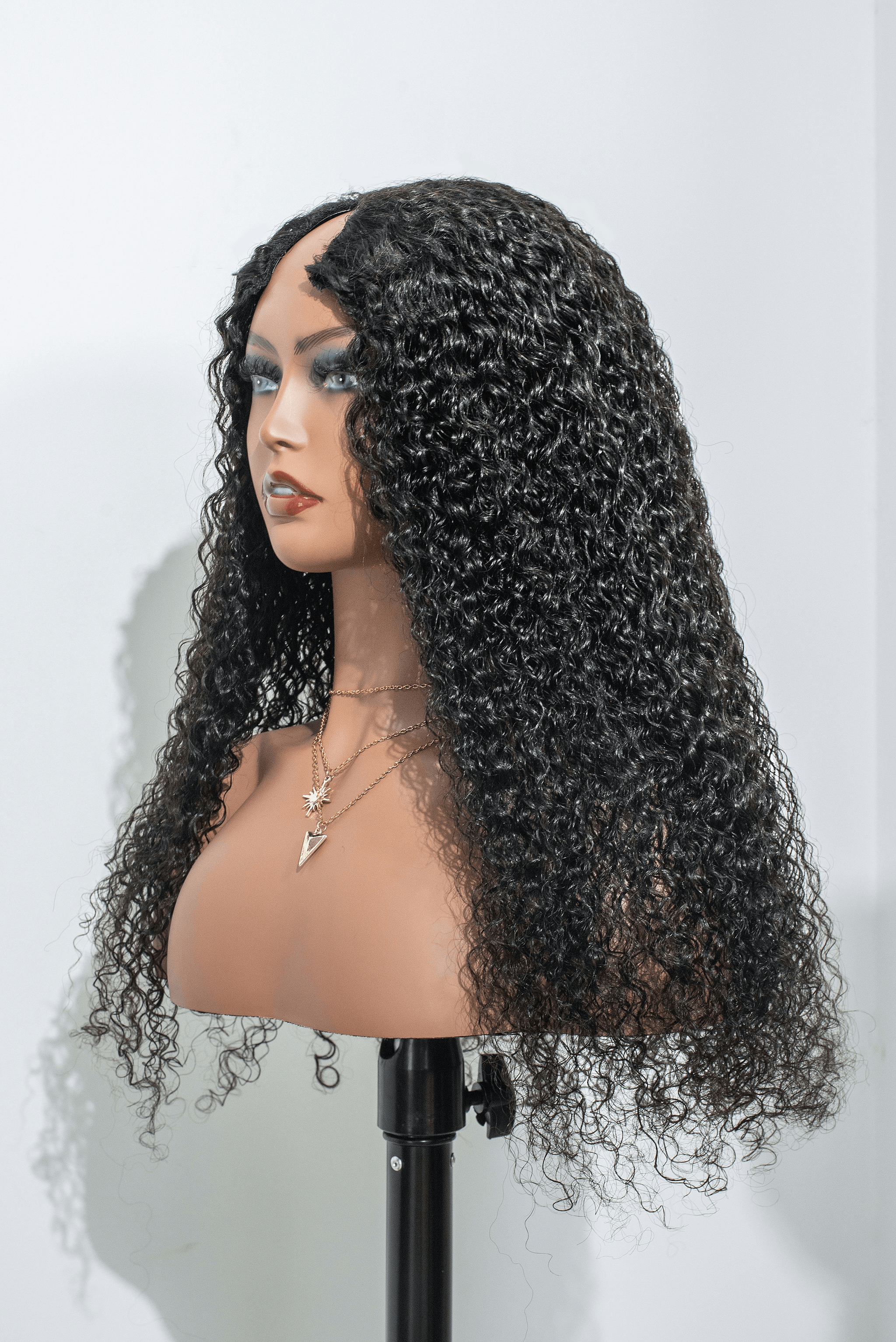
When it comes to wig making, understanding the different hair types and textures is essential for achieving a natural look. Among the various textures, 4B and 4C hair are often discussed, especially in relation to their unique characteristics. Knowing these differences can help you choose the right wig or topper that complements your natural hair.
Difference Between 4B and 4C Hair
The difference between 4B and 4C hair lies primarily in their curl patterns and texture density. 4B hair has a fluffy, zig-zag pattern with less defined curls, while 4C hair is tightly coiled with minimal curl definition, often appearing denser. This distinction matters greatly when selecting wigs or extensions because it affects how well a wig blends with your natural hair.
Additionally, both types of hair have unique styling needs; for instance, the best hair extension method for thin hair may vary depending on whether you're working with 4B or 4C textures. Understanding this can also influence your choice of products when selling bundles of hair or choosing the highest rated human hair toppers available in the market. Ultimately, knowing these differences will ensure that you select a wig that not only looks good but also feels comfortable.
Selecting the Right Hair for Your Wig
Selecting the right type of hair for your wig is crucial to achieving a flawless appearance. When considering options like wholesale hair extensions NYC offers, it's important to think about how well they match your natural texture—especially if you have 4B or 4C curls. The right selection will ensure that your wig not only blends seamlessly but also allows for versatile styling options.
Another factor to consider is longevity; some methods may require more maintenance than others—think about how long does wig tape last when securing your unit! If you're leaning towards machine-made wigs versus hand-tied options, understanding these nuances can help you make an informed decision tailored to your lifestyle needs. Remember that choosing high-quality materials will enhance both comfort and durability in any type of wig making.
The Role of Hair Texture in Wig Making
Hair texture plays a pivotal role in all types of wig making processes—from traditional hand-tied methods to machine-made designs. The texture influences not just appearance but also how well the wig holds styles over time; this is particularly true for those who opt for styles inspired by their own natural curls like those found in 4B or 4C types. A well-matched texture ensures that you won't be left wondering about the difference between a wig and toupee when it comes to comfort and style.
Moreover, understanding how different textures react with various products can guide you toward better choices in care routines—especially if you're using synthetic versus human hair options! Whether you're looking at comfy wigs or exploring other choices within quality ranges, knowing about texture helps tailor your experience effectively as you navigate through numerous styles available today.
Conclusion

In the world of wigs, selecting the right hair extension method can significantly impact your overall look and comfort. Depending on your hair type and texture, different types of wig making techniques can offer you various benefits. Whether you lean towards hand-knotted, machine-made, or hybrid options, understanding your needs will guide you to the best choice.
Selecting the Best Hair Extension Method
The difference between wig and toupee often lies in their construction and intended use; wigs tend to cover more area while toupees are typically designed for partial coverage. By exploring types of wig making, you can find a solution that complements your natural look without compromising on quality.
Importance of Quality in Wig Choices
Quality should never be overlooked when selecting wigs or hair toppers; after all, no one wants to sport a flimsy or poorly made piece! The highest rated human hair toppers provide a luxurious feel while ensuring durability over time. Investing in quality not only enhances your appearance but also gives you confidence knowing that you've chosen wisely among various types of wig making options.
Exploring Options at Comfy Wigs
At Comfy Wigs, there’s a treasure trove of choices waiting for you! From wholesale hair extensions NYC to an array of textures that highlight the difference between 4B and 4C hair, you'll find everything needed to elevate your hairstyle game. Plus, with care tips like knowing how long does wig tape last, you'll be well-equipped for maintaining that flawless look!